
Allergic Reaction: Symptoms, Triggers, and How Antihistamines Help
When your body mistakes something harmless—like pollen, peanuts, or pet dander—for a threat, it triggers an allergic reaction, an overactive immune response that releases histamine and causes symptoms like itching, swelling, or trouble breathing. Also known as hypersensitivity reaction, this isn’t just a sneeze or a rash—it’s your immune system going into overdrive, sometimes with dangerous results.
Behind every allergic reaction is histamine, a chemical your body releases to fight off what it thinks is an invader. This same chemical is why your eyes water, your nose runs, or your throat swells. Antihistamines, medications that block histamine’s effects, are the first line of defense. But not all antihistamines are the same. First-generation ones like Benadryl knock you out. Second-generation ones like Zyrtec or Claritin let you stay alert. Choosing the right one depends on whether you need quick relief for a sudden reaction or daily control for seasonal allergies.
Your allergy triggers, the specific substances that set off your reaction, can be anything from food and insect stings to medications and latex. Some reactions are mild—just a few hives or a runny nose. Others, like anaphylaxis, can shut down your airways in minutes and need an epinephrine shot right away. Knowing your triggers isn’t just helpful—it’s life-saving. And it’s not just about avoiding the obvious. Hidden sources like cross-contaminated food, herbal supplements like Ginkgo Biloba, or even certain painkillers can spark reactions you didn’t see coming.
Many people don’t realize that an allergic reaction can be confused with a drug side effect. That itch after starting a new pill—is it an allergy or just a side effect? The difference matters because allergies require strict avoidance, while side effects might be managed with a dose change. That’s why tracking symptoms, timing, and what you took is so important.
What you’ll find below are clear, no-fluff guides on how antihistamines work, which ones to pick, what to watch out for, and how other meds or supplements can make your reactions worse. From how to spot a dangerous reaction to why some people react to things others don’t, these posts give you the facts you need to stay safe and make smarter choices—with no jargon, no hype, just what works.
How to Tell a Side Effect from a True Drug Allergy
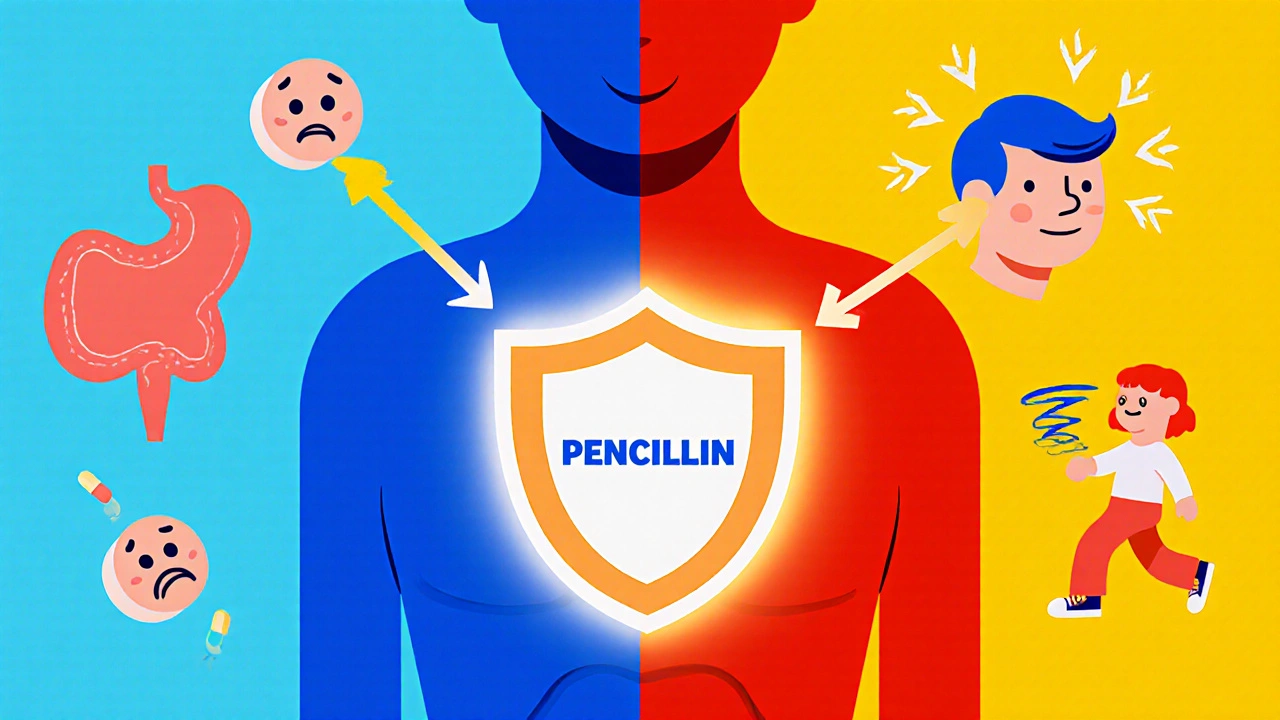
Learn how to tell the difference between a harmless side effect and a dangerous drug allergy. Most reactions aren’t allergies-mislabeling them can limit your treatment options and put your health at risk.
- November 22 2025
- Tony Newman
- 17 Comments