
Best Time to Stop Caffeine: When to Cut Off for Better Sleep and Health
When you’re trying to sleep better, the best time to stop caffeine, the point in the day when caffeine no longer interferes with your ability to fall asleep. Also known as caffeine cutoff time, it’s not just about how much you drink—it’s about when your body finishes processing it. Caffeine stays in your system for hours. Even if you feel fine, it’s still blocking sleep signals in your brain. Studies show that consuming caffeine as early as 6 hours before bed can reduce total sleep time by more than an hour. That’s not a myth—it’s measurable, repeatable, and backed by sleep labs.
Your body breaks down caffeine at different speeds. Some people are fast metabolizers, others slow. Age, liver health, and even genes play a role. If you’re over 40, pregnant, or taking certain medications like birth control or antidepressants, your body clears caffeine slower. That means your caffeine sensitivity, how strongly your body reacts to caffeine’s effects might be higher than you think. You might not feel jittery, but your deep sleep is still getting crushed. And if you’re relying on caffeine to get through the afternoon, you’re probably creating a cycle: low energy → more caffeine → worse sleep → more fatigue.
Most experts agree: stop caffeine by 2 p.m. That’s the sweet spot for most people. But if you’re sensitive, or you have trouble falling asleep even after cutting off caffeine at 2 p.m., try moving it to noon. Coffee after lunch? It’s not just about the drink—it’s about your body’s natural clock. Your circadian rhythm, your body’s internal 24-hour cycle that regulates sleep and wakefulness starts winding down in the evening. Caffeine doesn’t just wake you up—it fights that natural shift. And if you’re drinking energy drinks, soda, or tea, you’re adding more caffeine than you realize. A single energy shot can have as much as 200 mg. That’s two cups of coffee.
Stopping caffeine cold can cause headaches, irritability, or fatigue for a few days. That’s caffeine withdrawal, the temporary physical and mental symptoms that occur when regular caffeine users stop or reduce intake. But it’s temporary. If you want to avoid the crash, cut back slowly. Swap one cup of coffee for green tea, then switch to decaf, then cut the afternoon cup. Don’t wait until you’re exhausted to make a change. The goal isn’t to quit caffeine forever—it’s to use it so it helps, not hurts.
What you’ll find in the posts below are real, practical guides on how caffeine affects your body, how to spot hidden sources, how to manage withdrawal, and how to time your intake so it works for you—not against you. You’ll see how it interacts with medications, how it impacts anxiety, and why your morning cup might be making your afternoon slump worse. No fluff. No guesswork. Just clear, science-backed advice from people who’ve been there.
Caffeine Cutoff Times: When to Stop Coffee for Better Sleep
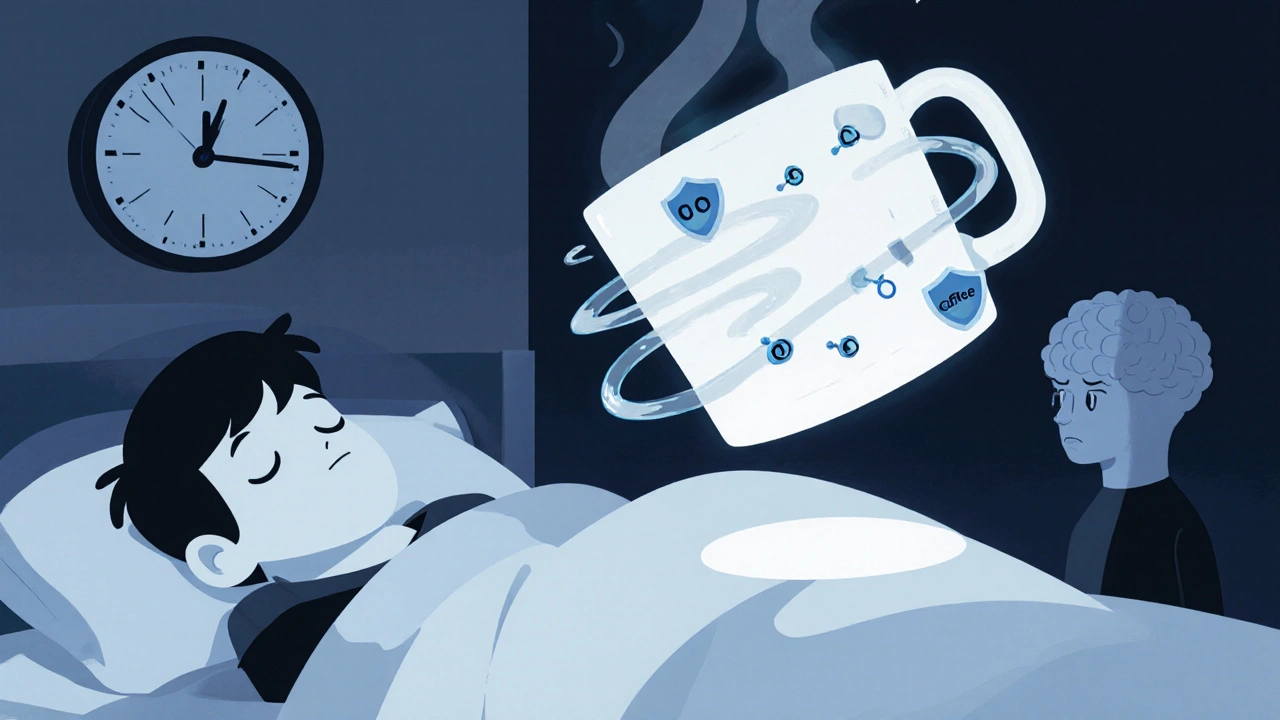
Learn the science-backed caffeine cutoff times to improve sleep onset and quality. Discover when to stop coffee, energy drinks, and hidden caffeine sources for deeper, more restful sleep.
- November 23 2025
- Tony Newman
- 9 Comments