
Caffeine and Sleep: How Coffee Affects Your Rest and What to Do About It
When you drink caffeine, a central nervous system stimulant found in coffee, tea, energy drinks, and some medications. It's the most widely used psychoactive substance in the world, you’re not just getting a boost—you’re interfering with your body’s natural sleep clock. Caffeine works by blocking adenosine, a chemical that builds up in your brain throughout the day and tells you it’s time to sleep. When caffeine binds to those same receptors, adenosine can’t do its job, and your brain stays alert. That’s why you feel wide awake after a cup of coffee—but it also means your sleep quality drops, even if you think you’re falling asleep fine.
Over time, your body adapts. You build up caffeine tolerance, a reduced response to caffeine after regular use, requiring higher doses for the same effect. Also known as caffeine dependence, it’s why you need more coffee just to feel normal. This isn’t just about needing an extra shot—it’s about your sleep architecture getting broken. Deep sleep and REM cycles shrink, even if you sleep 7 hours. You wake up tired, reach for more caffeine, and the cycle keeps going. Studies show that even consuming caffeine 6 hours before bedtime can reduce total sleep by over an hour. And most people don’t realize they’re doing it.
It’s not just about timing. sleep disruption, the interference with normal sleep patterns caused by external factors like light, noise, or stimulants. It’s a silent thief of recovery doesn’t always show up as insomnia. Sometimes it’s just waking up at 3 a.m. with your mind racing, or feeling groggy even after a full night. That’s often caffeine lingering in your system. And if you’re taking medications like beta blockers or antidepressants, caffeine can interact in ways you don’t expect—making side effects worse or reducing how well your meds work.
Fixing this doesn’t mean quitting coffee cold turkey. It means understanding your body’s rhythm. Try cutting off caffeine after 2 p.m. Switch to decaf in the afternoon. Track how you feel after 3 days without it. You might be surprised how much better you sleep—even if you don’t think caffeine was the problem. And if you’re on blood thinners, or have heart conditions, or take supplements like ginkgo biloba, caffeine can add to the risk of side effects you didn’t even know you had.
The posts below give you real, practical ways to untangle caffeine from your sleep. You’ll find advice on how to wean off without headaches, how to spot hidden caffeine in your diet, and what to do if you’ve been relying on it for years. Some people think they need caffeine to function—but once they stop, they realize they were just running on fumes. You don’t need to be a coffee addict to benefit from this. If you’ve ever woken up feeling like you didn’t rest at all, this is for you.
Caffeine Cutoff Times: When to Stop Coffee for Better Sleep
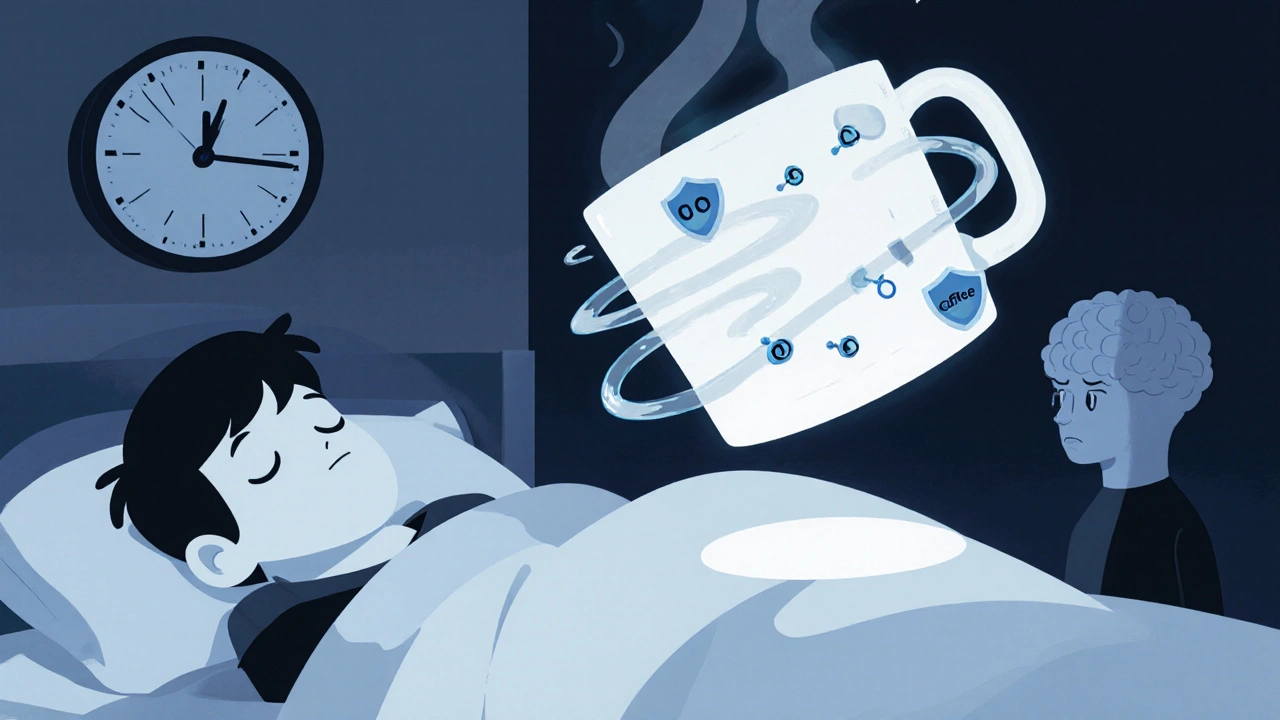
Learn the science-backed caffeine cutoff times to improve sleep onset and quality. Discover when to stop coffee, energy drinks, and hidden caffeine sources for deeper, more restful sleep.
- November 23 2025
- Tony Newman
- 9 Comments