
Caffeine Cutoff Time: When to Stop Coffee for Better Sleep
When you drink your last cup of coffee matters more than how much you drink. caffeine cutoff time, the latest hour you should consume caffeine to avoid disrupting sleep. Also known as caffeine curfew, it’s not a one-size-fits-all rule—your body’s caffeine metabolism and caffeine sensitivity change everything. Most people think cutting coffee after 2 p.m. is enough. But if you’re still tossing and turning at midnight, your cutoff might be earlier—maybe even 10 a.m.
Here’s the deal: caffeine blocks adenosine, the chemical that tells your brain it’s time to sleep. It takes your body about five hours to clear half the caffeine from your system. That’s the half-life. But for some people, especially older adults or those on birth control or certain antidepressants, it can take twice as long. If you drink coffee at 4 p.m., you could still have enough caffeine in your blood at midnight to keep you awake. You might not feel it, but your sleep quality still drops—less deep sleep, more tossing, less recovery.
Your sleep hygiene isn’t just about bedtime routines. It’s also about what you put in your body hours before. Tea, soda, chocolate, energy drinks, even some pain relievers contain caffeine. And if you’re one of those people who thinks, "I can sleep anywhere," you’re probably underestimating how much caffeine is quietly stealing your rest. Studies show people who cut caffeine after noon report deeper sleep, fewer nighttime wake-ups, and better morning energy—even if they don’t feel like caffeine was bothering them.
There’s no magic hour that works for everyone. Try this: stop caffeine at 2 p.m. for three days. Then move it to noon. Then try 10 a.m. Track how you sleep—not how you feel during the day, but how fast you fall asleep, how often you wake up, and how rested you feel in the morning. You might be surprised. Some people need to stop by 8 a.m. Others can handle coffee at 5 p.m. without trouble. It’s personal.
And if you’re on meds—like beta blockers, antidepressants, or birth control—your caffeine cutoff might be earlier than you think. Same if you’re over 65, pregnant, or have anxiety. Your body processes caffeine differently. The same cup that helps your friend focus might keep you up all night.
What you’ll find below are real stories and science-backed tips from people who’ve fixed their sleep by adjusting their caffeine timing. You’ll see how others identified their personal cutoff, what worked, what didn’t, and how to test it yourself. No fluff. No guesswork. Just clear, practical steps to get back the sleep you’ve been losing one cup at a time.
Caffeine Cutoff Times: When to Stop Coffee for Better Sleep
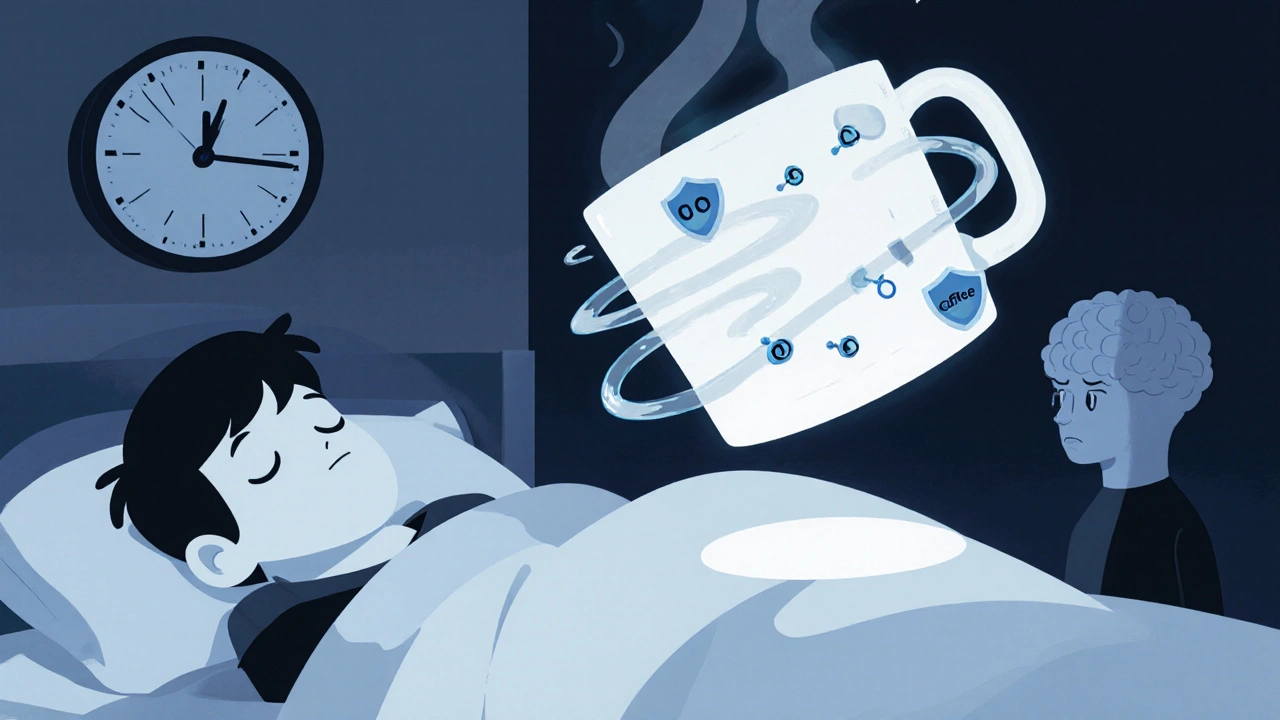
Learn the science-backed caffeine cutoff times to improve sleep onset and quality. Discover when to stop coffee, energy drinks, and hidden caffeine sources for deeper, more restful sleep.
- November 23 2025
- Tony Newman
- 9 Comments