
CKD Protein Targets: What You Need to Know About Managing Kidney Disease with Diet and Medication
When you have chronic kidney disease, a long-term condition where the kidneys gradually lose their ability to filter waste and excess fluids from the blood. Also known as CKD, it affects over 37 million Americans and often goes unnoticed until it’s advanced. Managing CKD protein targets, the recommended daily amount of protein to reduce kidney stress without causing muscle loss is one of the most effective, science-backed ways to slow down damage.
Too much protein forces your kidneys to work harder, speeding up decline. Too little can leave you weak and prone to infections. The sweet spot? Most people with early-stage CKD do best with 0.6 to 0.8 grams of protein per kilogram of body weight daily. That’s about 40–55 grams for a 150-pound person—less than most think. It’s not about cutting protein completely, but choosing the right kinds: lean meats, eggs, and plant-based sources like tofu and lentils over processed meats. This balance helps control urea buildup, lowers blood pressure, and reduces protein in urine—a key sign of kidney damage. protein intake, the amount of dietary protein consumed daily and its impact on kidney function directly influences how fast CKD moves from stage 3 to stage 5.
People on dialysis need more protein—around 1.0 to 1.2 grams per kg—because treatments remove protein from the blood. But even then, the type matters. Whey and egg-based proteins are easier for kidneys to handle than red meat or dairy-heavy sources. Studies show that matching protein goals to kidney function stage cuts hospital visits and improves energy. And it’s not just about food. Medications like ACE inhibitors and SGLT2 inhibitors help protect kidneys by lowering pressure and reducing protein leakage, making dietary changes even more powerful when used together. kidney health, the overall function and resilience of the kidneys, influenced by diet, meds, and lifestyle isn’t just about avoiding salt—it’s a daily balancing act.
You’ll find real stories here from people who turned their CKD around by adjusting protein, tracking intake, and working with their doctors—not just popping pills. Some cut back on protein shakes, switched to plant-based meals, or learned how to read nutrition labels for hidden protein. Others figured out how to combine meds like losartan with meal timing to get better results. These aren’t theories. These are the steps people took to feel stronger, avoid hospital stays, and delay dialysis. What you’ll see below are clear, no-fluff guides on how to make these changes safely, what to watch for, and how to talk to your care team about your protein goals.
Renal Nutrition: Protein Targets for CKD Stages Explained
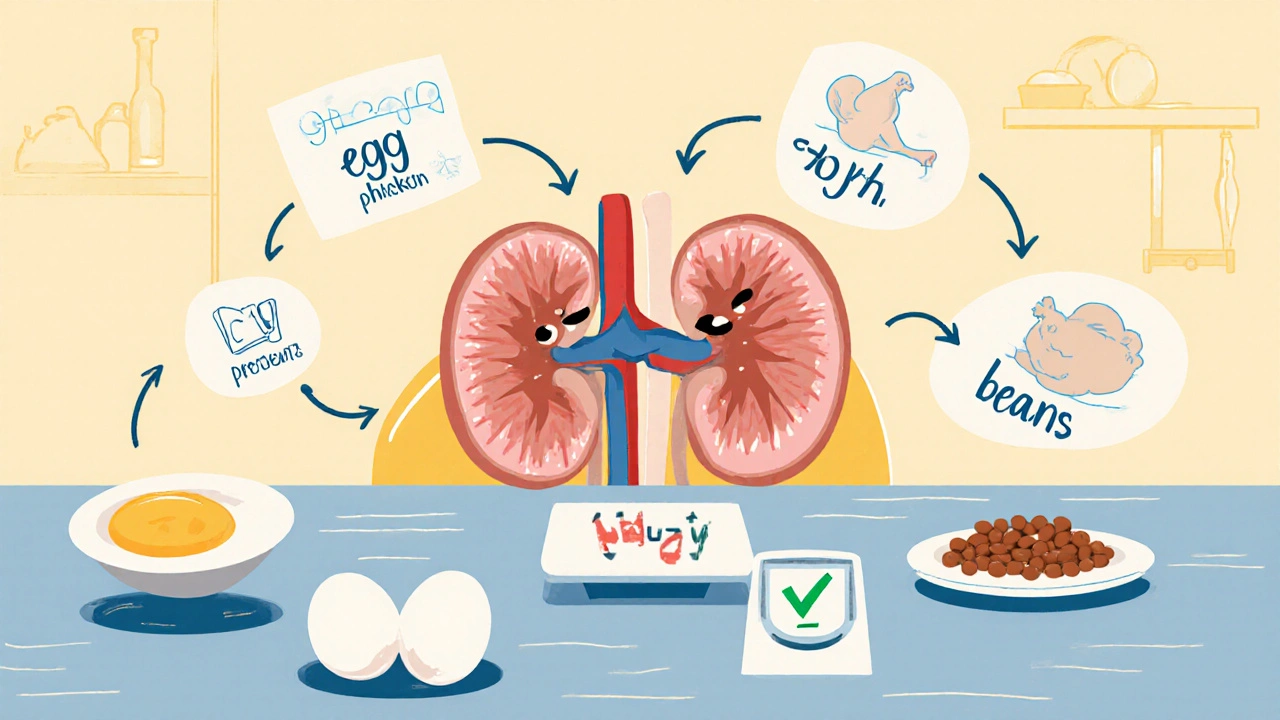
Learn the right protein targets for each stage of chronic kidney disease. Discover how much to eat, which sources are best, and how to avoid muscle loss while protecting your kidneys.
- November 13 2025
- Tony Newman
- 9 Comments