
Diabetes Medication: What Works, What to Watch For, and How to Stay Safe
When you have diabetes medication, prescribed drugs used to lower blood sugar in people with type 1 or type 2 diabetes. Also known as antihyperglycemic agents, these pills and injections don’t cure diabetes—they help your body manage it day to day. For millions, this means taking metformin, sulfonylureas, or GLP-1 agonists like semaglutide. But taking these drugs isn’t just about popping a pill. It’s about understanding how they interact with your food, activity, sleep, and even other meds you’re on.
Many people on diabetes medication, prescribed drugs used to lower blood sugar in people with type 1 or type 2 diabetes. Also known as antihyperglycemic agents, these pills and injections don’t cure diabetes—they help your body manage it day to day. also take blood pressure pills, cholesterol drugs, or pain relievers. That’s where polypharmacy, the use of multiple medications by a single patient, often leading to increased risk of side effects and interactions becomes a real concern. A 2023 study in the Journal of the American Geriatrics Society found that over 40% of adults with type 2 diabetes take five or more daily medications. That doesn’t mean you need to stop everything—but it does mean you should ask: Is every pill still necessary? Some people can safely reduce doses or even stop certain drugs with the right plan, especially when lifestyle changes like walking after meals or cutting back on sugary drinks start working.
Side effects are another big piece. metformin, a first-line oral medication for type 2 diabetes that reduces liver glucose production and improves insulin sensitivity can cause stomach upset. Insulin can drop your blood sugar too low. Newer drugs like SGLT2 inhibitors may increase yeast infections or dehydration risks. That’s why knowing the difference between a side effect and a new symptom matters. Is that fatigue from your diabetes medicine—or from something else? The posts below help you spot the signs, track what’s normal, and talk to your doctor without sounding alarmist.
And it’s not just about the drugs. What you eat, how much you move, and how well you sleep all change how your body responds to diabetes medication. Some people lower their doses—or even stop them—by losing weight, walking daily, or fixing their sleep schedule. But that doesn’t mean you should quit meds on your own. It means you should work with your care team to see if those changes are making a difference. That’s what deprescribing is all about: safely reducing meds when they’re no longer needed or when the risks outweigh the benefits.
The posts here aren’t about hype or miracle cures. They’re real, practical guides from people who’ve been there: how to handle dizziness from beta blockers, when to question a new prescription, how herbal supplements like ginkgo can interfere, and how to read your medication info so you’re not caught off guard. Whether you’re just starting out on diabetes medication or have been on it for years, you’ll find tools to help you take control—without feeling overwhelmed.
DPP-4 Inhibitors and Joint Pain: What You Need to Know
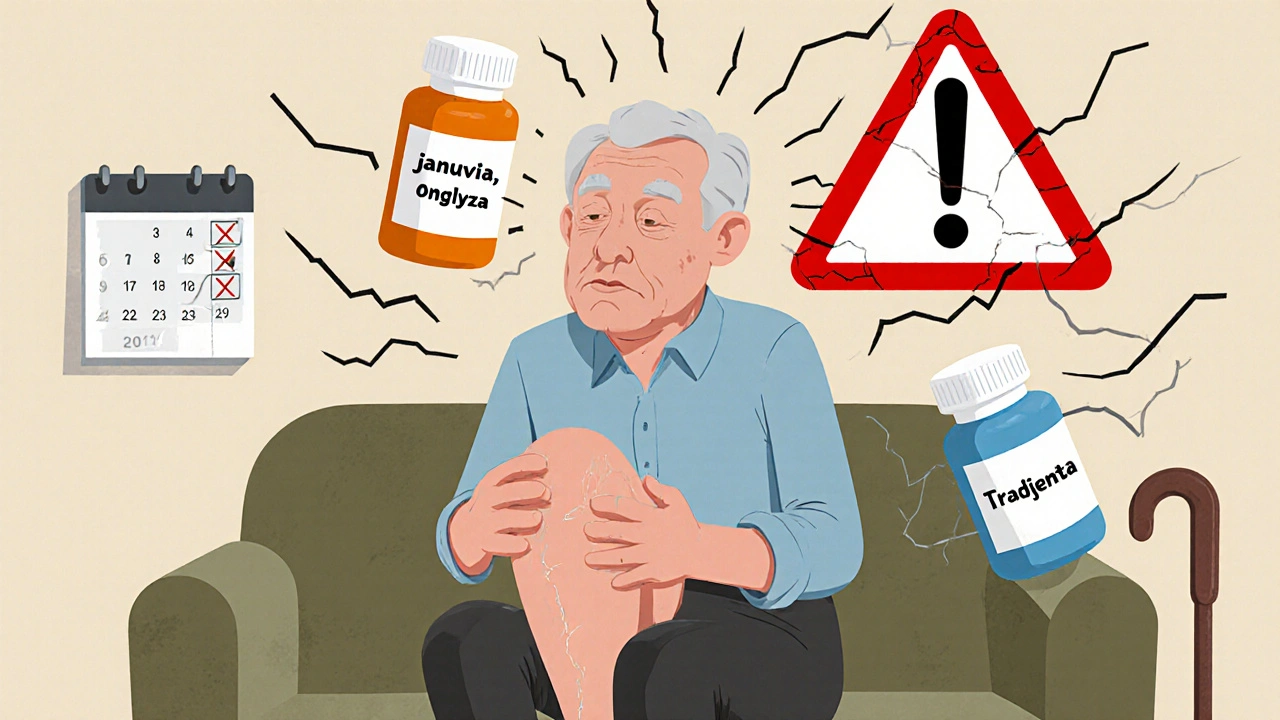
DPP-4 inhibitors help manage type 2 diabetes but can cause severe joint pain in rare cases. Learn the signs, what the FDA says, and what to do if you're affected.
- November 12 2025
- Tony Newman
- 15 Comments