
Drug Allergy: Symptoms, Triggers, and How to Stay Safe
When your body mistakes a medicine for a threat, it can trigger a drug allergy, an immune system response to a medication that causes harmful symptoms. This isn’t just a side effect—it’s your body fighting back. Unlike nausea or drowsiness, a true drug allergy involves your immune system releasing chemicals like histamine, leading to rashes, swelling, trouble breathing, or even life-threatening anaphylaxis, a severe, whole-body allergic reaction that requires immediate treatment.
Some drugs are far more likely to cause this than others. Penicillin and sulfa drugs top the list, but even common painkillers like ibuprofen or aspirin can trigger reactions in some people. If you’ve ever broken out in hives after taking a new pill, or felt your throat close up after an injection, that’s not coincidence—it’s your immune system signaling a problem. And here’s the catch: just because you reacted to one drug doesn’t mean you’ll react to all similar ones, but you should never assume you’re safe without checking. Antihistamines, medications that block histamine to reduce allergy symptoms like Benadryl can help with mild reactions, but they won’t stop anaphylaxis. That’s why knowing the difference matters.
Many people confuse drug allergies with side effects. A stomach upset from antibiotics? That’s probably not an allergy. But if your face swells, your tongue feels thick, or you start wheezing after taking a pill you’ve never had before—that’s a red flag. Keep track of what you took, when the reaction happened, and how bad it got. This info saves lives. Doctors can’t test for most drug allergies like they do for pollen or peanuts, so your history is your best tool. If you’ve had a serious reaction, wearing a medical alert bracelet is a simple step that could get you the right care in an emergency.
What you’ll find below are real stories and clear guides on how to recognize, avoid, and manage drug allergies. From how to tell if your rash is from the medicine or something else, to which common supplements can make reactions worse, to what to ask your pharmacist before picking up a new script—these posts give you the facts without the fluff. You don’t need to guess when your body is sending you a warning. Let the information here help you speak up, stay informed, and take control.
How to Tell a Side Effect from a True Drug Allergy
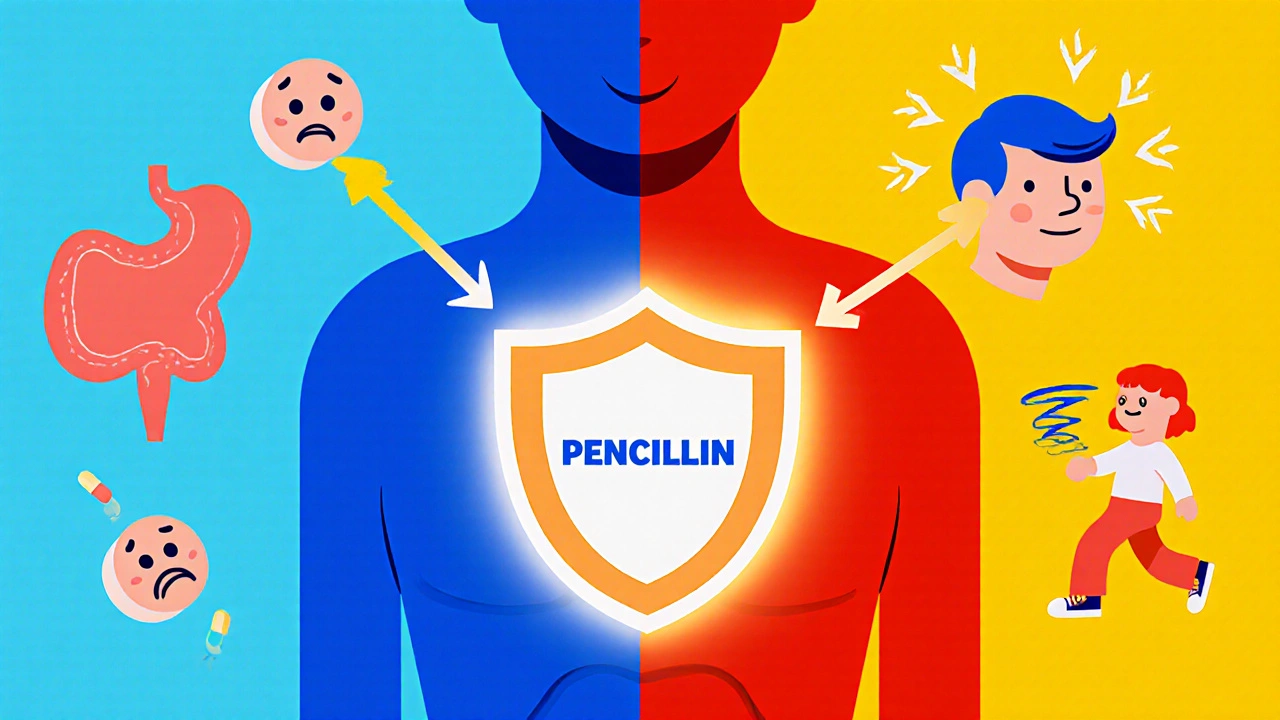
Learn how to tell the difference between a harmless side effect and a dangerous drug allergy. Most reactions aren’t allergies-mislabeling them can limit your treatment options and put your health at risk.
- November 22 2025
- Tony Newman
- 17 Comments