
Drug Safety Alerts: What You Need to Know About Risks, Warnings, and Protecting Yourself
When you take a medication, you trust it will help—not hurt. But drug safety alerts, official warnings issued by health agencies about dangerous side effects or interactions. Also known as medication safety notices, they’re not just paperwork—they’re lifelines. These alerts pop up when a drug causes unexpected harm: joint pain from diabetes pills, bleeding from herbal mixes, seizures from supplements, or nerve damage from spinal shots on blood thinners. They don’t mean stop taking your medicine. They mean: know what to watch for, and talk to your doctor before it’s too late.
Drug safety alerts don’t happen in a vacuum. They’re tied to real people, real risks, and real choices. Medication side effects, unintended reactions that range from mild dizziness to life-threatening bleeding are the core reason these alerts exist. You might feel tired after starting bisoprolol, or get a rash from ginkgo biloba—those aren’t just bad luck. They’re signals. And when you’re on multiple drugs, like older adults managing heart disease, diabetes, and arthritis, the risk of polypharmacy, taking five or more medications at once, which multiplies the chance of harmful interactions jumps fast. That’s why deprescribing—safely cutting out meds you don’t need—is now part of the solution. It’s not about stopping treatment. It’s about simplifying it so your body isn’t fighting itself.
Some alerts come from the FDA warnings, official notices from the U.S. Food and Drug Administration about newly discovered dangers. Like when DPP-4 inhibitors were linked to severe joint pain, or when evening primrose oil raised seizure risk with antipsychotics. Others come from real-world data: patients reporting bleeding after mixing ginkgo with warfarin, or confusion from mixing old antihistamines with sleep aids. These aren’t rare. They’re common enough that the FDA is pushing for a new one-page patient medication info format to make warnings clearer. And yet, most people still don’t know what to do when they see a red flag.
Here’s the truth: drug safety alerts aren’t meant to scare you. They’re meant to arm you. If you’re on blood thinners, know that ginkgo, aspirin, and even some cough syrups can turn a small cut into a dangerous bleed. If you’re over 65 and on five meds, ask your doctor: Which one can I stop? If you’re taking supplements for PMS or joint pain, check if they interact with your prescriptions. You don’t need to be a pharmacist. You just need to pay attention. The posts below show you exactly how to spot danger signs, understand what the warnings really mean, and take action—without panicking or quitting your meds cold.
How to Follow Professional Society Safety Updates on Medications
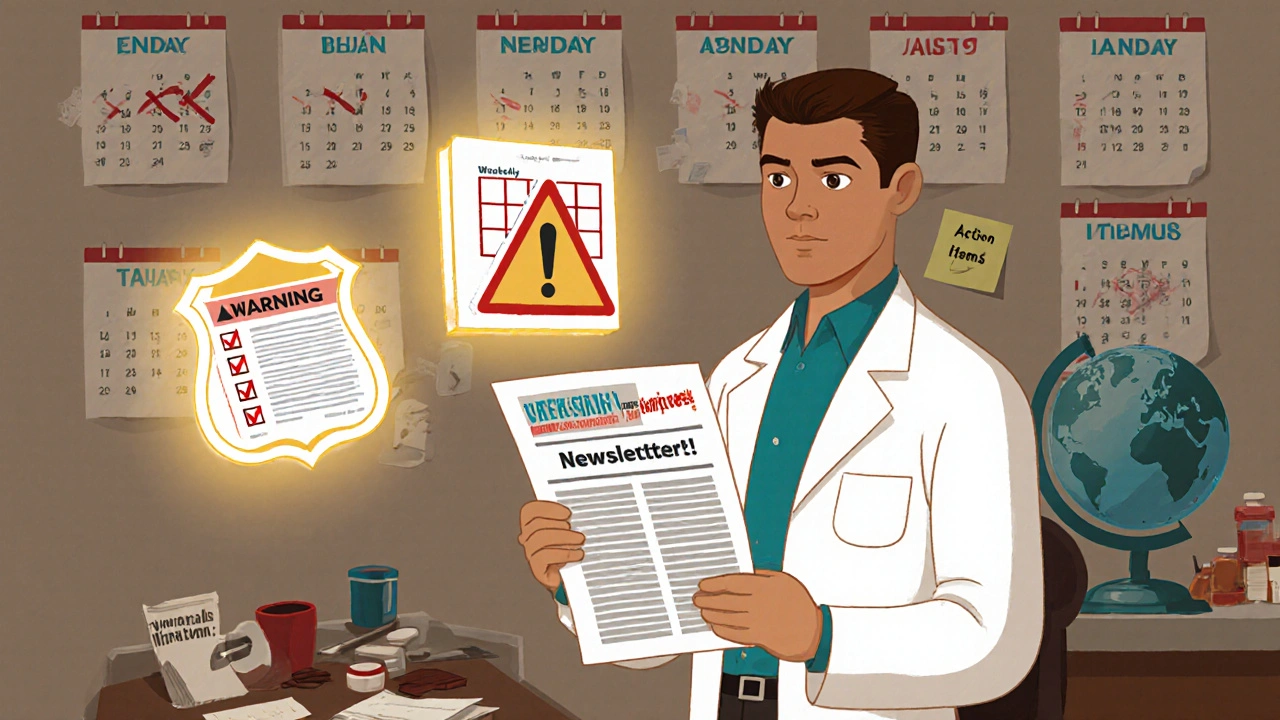
Learn how to track medication safety updates from trusted sources like ISMP, FDA, and ASHP. Get practical steps to set up alerts, avoid common mistakes, and turn guidelines into real safety actions.
- November 19 2025
- Tony Newman
- 12 Comments