
FDA PMI: What You Need to Know About Prescription Drug Information
When you pick up a prescription, the tiny booklet tucked inside the box isn’t just paperwork—it’s the FDA PMI, the official, legally required document that details how a drug works, who should use it, and what risks to watch for. Also known as Prescribing Information, it’s the backbone of safe medication use, written by the drugmaker and approved by the U.S. Food and Drug Administration. This isn’t marketing fluff. It’s the raw, unfiltered facts your doctor and pharmacist rely on to decide if a drug is right for you.
The FDA PMI covers everything: how the drug is absorbed in your body, what side effects show up in clinical trials, which other medications it clashes with, and who should avoid it entirely. For example, if you’re taking beta blockers like bisoprolol fumarate, the PMI will warn you about dizziness or cold hands—exactly the side effects covered in our posts. It also flags interactions, like how evening primrose oil might lower your seizure threshold when mixed with antipsychotics, a risk you won’t find on supplement labels. The package insert is where you learn why certain drugs are risky for seniors, like ticlopidine or meldonium, and why geriatric polypharmacy needs careful review. These aren’t guesses—they’re data from real studies, summarized and verified by regulators.
Most people never read the PMI. They skim the bottle or trust their doctor. But if you’ve ever wondered whether a new symptom came from your disease or your medicine, or if a supplement might mess with your prescription, the PMI holds the answers. It’s the reason we can compare Kamagra Super to approved alternatives, or explain why Liv.52 isn’t a magic liver cure—it’s all rooted in the same official data. The PMI doesn’t sugarcoat. It lists every known risk, from skin yeast infections linked to smoking to how poor ventilation might indirectly affect your medication’s effectiveness by changing your environment. It’s not always easy to read, but it’s the most honest source you’ve got.
Below, you’ll find real-world guides built directly from this data. Whether you’re trying to manage side effects, avoid dangerous interactions, or figure out if that cheap online pill is safe, every post here connects back to the facts in the FDA PMI. No hype. No guesswork. Just what the science says—and how to use it.
Proposed FDA Changes to Patient Medication Information: What You Need to Know
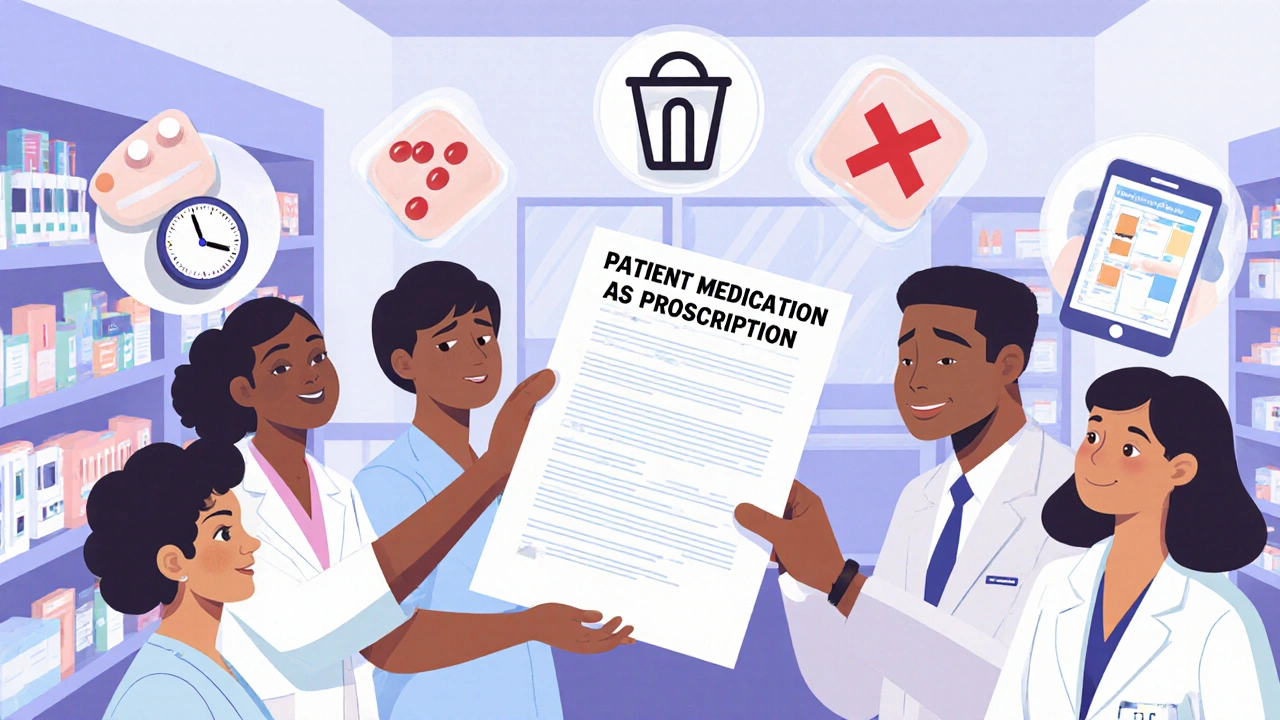
The FDA is proposing a new standardized Patient Medication Information (PMI) format for all outpatient prescriptions, replacing inconsistent Medication Guides. Learn what’s in the new one-page document, when it starts, and how it could improve safety and understanding.
- October 28 2025
- Tony Newman
- 8 Comments