
Generic Specialty Drugs: What They Are and How They Help
When you hear generic specialty drugs, affordable versions of high-cost medications used for complex, chronic conditions. Also known as biosimilars or generic biologics, they are designed to treat serious illnesses like cancer, multiple sclerosis, rheumatoid arthritis, and severe diabetes—just like their brand-name counterparts, but at a fraction of the price. These aren’t your everyday pills for headaches or high blood pressure. They’re complex, often injected or infused, and require careful handling. But here’s the thing: they’re real, they’re approved, and they’re saving people thousands every year.
What makes a drug "specialty"? It’s not just the price—it’s the complexity. These drugs often need special storage, trained staff to administer them, and ongoing monitoring. Think of them like precision tools: you need the right one for the job, and even small mistakes can have big consequences. That’s why they’re usually prescribed for conditions that don’t respond to simple treatments. But when a generic specialty drug, a lower-cost version of a complex biologic medication. Also known as biosimilar, it becomes available, it opens doors. For example, someone on a $10,000-a-month biologic for rheumatoid arthritis might switch to a $2,000 generic version without losing effectiveness. That’s not a rumor—it’s happening right now, thanks to FDA approval pathways and real-world data from patients.
These drugs don’t just cut costs—they change lives. A senior on multiple medications for autoimmune disease might drop one expensive specialty drug and reduce their total pill count. A young adult with Crohn’s disease might finally afford treatment after years of skipping doses. And for families juggling insurance deductibles, a generic specialty drug can mean the difference between staying on therapy and going without. The posts below dive into real cases: how people manage side effects, how doctors decide when to switch, and what to watch for when switching from brand to generic. You’ll also find guides on avoiding scams when buying online, understanding insurance coverage, and spotting red flags in pharmacy billing.
There’s a lot of confusion around these drugs. Some think generics are "weaker"—they’re not. Others worry about safety—FDA requires the same strict standards. And some assume they’re only for the wealthy—actually, they’re often the only option for people without full coverage. The collection here isn’t theoretical. It’s built from real patient stories, clinical data, and expert reviews. Whether you’re managing a chronic condition, helping a loved one, or just trying to understand your bill, you’ll find practical, no-fluff answers below.
Specialty Pharmacy: How Providers Dispense Generic Specialty Drugs
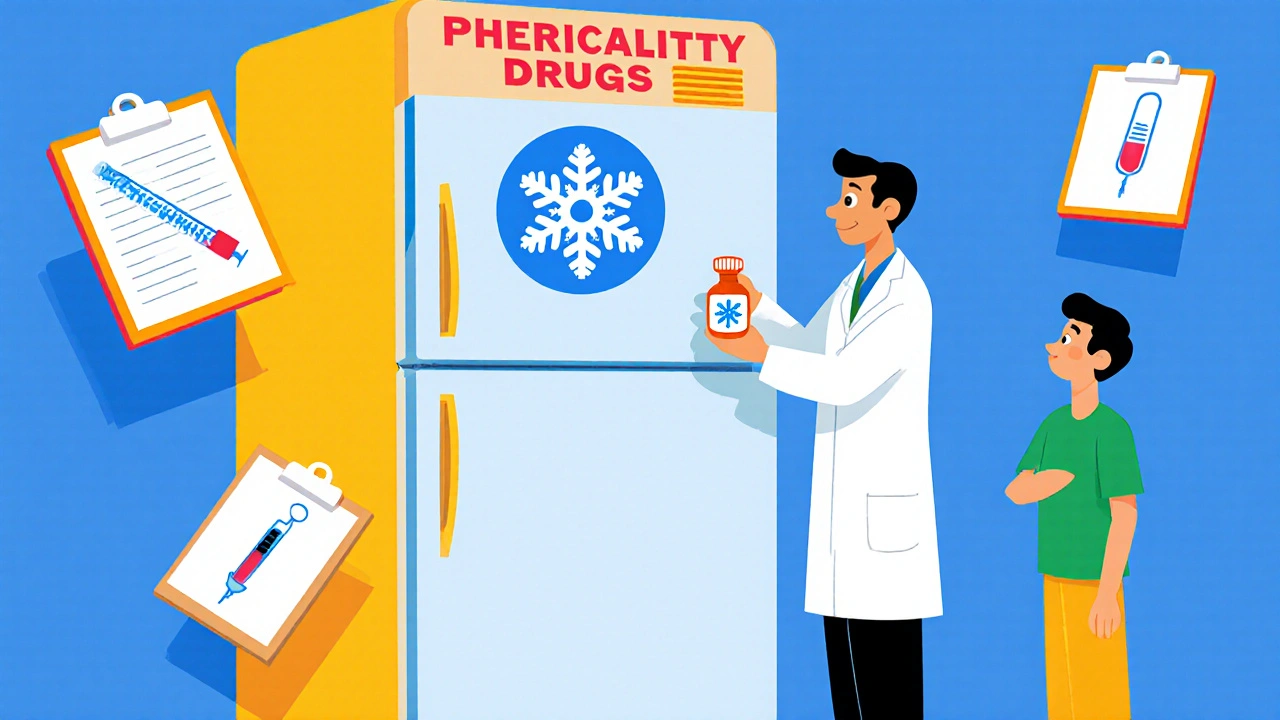
Specialty pharmacies dispense generic specialty drugs the same way as branded ones-not because of cost, but because of complexity. Learn how providers manage these drugs, why retail pharmacies can't fill them, and what patients should expect.
- November 17 2025
- Tony Newman
- 8 Comments