
Inclusive Education Resources and Guides
When talking about inclusive education, a learning approach that makes sure every student—no matter ability, background, or health condition—can access quality education. Also known as universal design for learning, it aims to remove barriers and adapt instruction to diverse needs. Inclusive education encompasses health literacy, which is health literacy, the ability to find, understand, and use health information to make informed choices. This ability directly influences medication safety because students who can read a prescription label are less likely to mistake a dose. The approach also requires cultural competence, defined as cultural competence, the skill of recognizing, respecting, and integrating cultural differences in beliefs and practices. When teachers are culturally competent, they can tailor health lessons to respect traditions around nutrition, incontinence, or pregnancy, which lowers stigma. Another core piece is patient education, the process of teaching individuals about conditions, treatments, and self‑care strategies. Patient education supports health literacy by turning complex medical terms into plain language that students can discuss with family. Together these elements create an environment where side‑effect awareness, medication safety, and overall wellbeing become part of everyday learning. Inclusive education therefore requires culturally responsive teaching, promotes health‑focused curricula, and builds the confidence needed to manage chronic conditions.
Why These Topics Matter for Learners and Caregivers
Understanding the link between inclusive education and health topics helps teachers, parents, and caregivers turn classroom time into real‑world health training. For example, recognizing whether a new symptom is a disease sign or a drug side effect is a skill that fits neatly into health literacy lessons—students learn to track timelines, use checklists, and ask the right questions. Cultural differences shape how incontinence is discussed; when educators respect varied beliefs, students feel safe sharing concerns and reduce shame. Pregnancy tremors, medication side‑effects like those from bromhexine, or skin issues such as yeast infections from smoking all become teachable moments when health literacy is woven into science or biology units. Each of those medical topics appears in the articles below, giving concrete case studies that illustrate how inclusive education can be applied. By connecting patient education to everyday subjects, schools can improve medication safety outcomes, lower the risk of missed doses, and empower students to become proactive about their health. The collection ahead shows practical tools—checklists for side‑effect identification, cultural‑sensitivity guides, and easy‑to‑follow management tips—that reinforce the semantic connections we’ve outlined. Dive in to see how inclusive education, health literacy, cultural competence, and patient education work together to make learning safer and more relevant for everyone.
Effective Classroom Strategies for Students with Poor Muscle Control
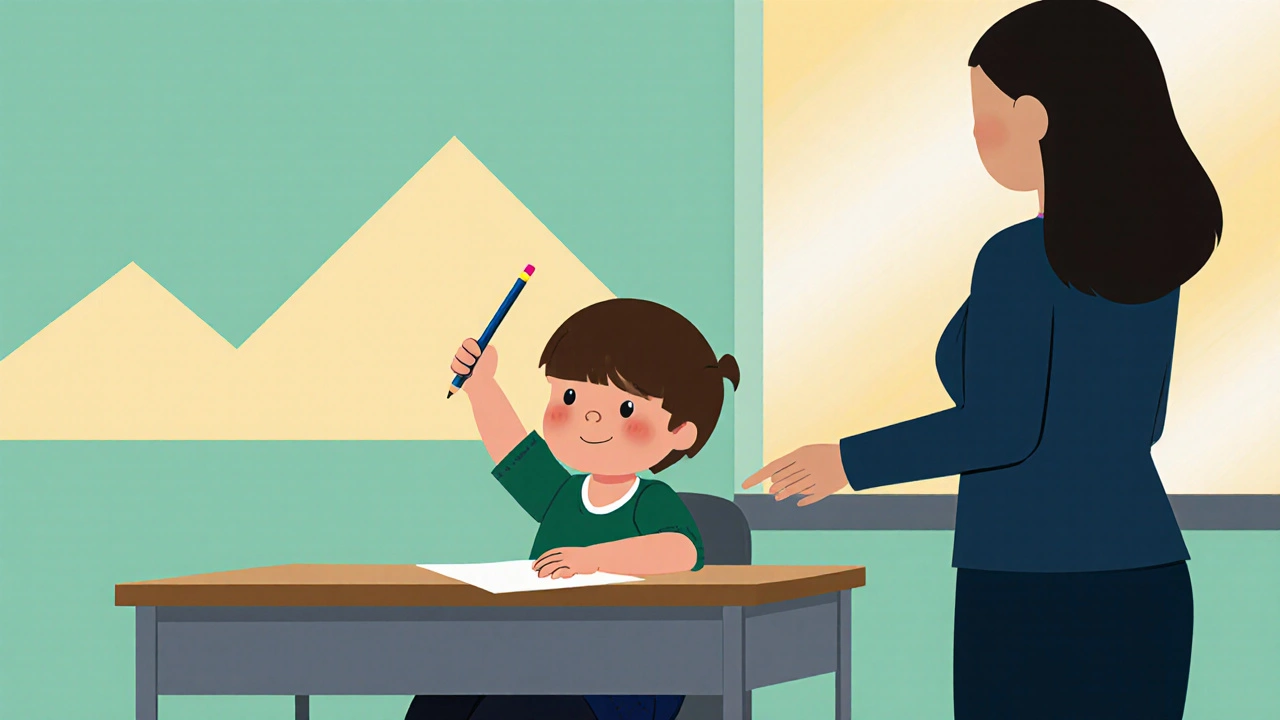
Practical strategies, from classroom tweaks to assistive tech, help students with poor muscle control thrive academically while fostering inclusion and independence.
- October 21 2025
- Tony Newman
- 10 Comments