
Patient Medication Information: What You Need to Know About Side Effects, Interactions, and Safe Use
When you take a medicine, patient medication information, the essential facts about how a drug works, what side effects to watch for, and how it interacts with other substances. Also known as drug safety guidance, it’s not just what your doctor says—it’s what you need to know to stay safe every day. Too many people think side effects are just part of the deal. But that’s not true. Some are harmless, others can be dangerous, and many are avoidable if you know what to look for. The difference between feeling okay and ending up in the hospital often comes down to understanding your own medication routine.
One big gap in care is medication side effects, unwanted reactions that can range from mild fatigue to life-threatening changes in heart rhythm or liver function. People often blame new symptoms on aging or stress, when it’s actually their new blood pressure pill or antibiotic. That’s why tools like symptom trackers and timelines matter—you need to connect the dots between when you started a drug and when things went wrong. Another critical piece is drug interactions, how one medicine changes how another works in your body. Evening primrose oil might seem harmless, but if you’re on antipsychotics, it could lower your seizure threshold. Or take something like ticlopidine in seniors—it’s effective, but risky if you’re also on other blood thinners. These aren’t rare cases. They happen every day because the information isn’t clear or easy to find.
And then there’s deprescribing, the intentional process of stopping or reducing medicines that are no longer helping—or are doing more harm than good. It’s not about cutting corners. It’s about cleaning up your pill box. Older adults, especially, often take five, ten, even fifteen drugs. Many were prescribed years ago for conditions that no longer exist. Some are duplicates. Others have safer alternatives. A comprehensive medication review isn’t a luxury—it’s a lifesaver. And it’s something you can ask for, not just wait for.
You’ll find real examples here: how to tell if your dizziness is from bisoprolol or your heart condition, why bromhexine helps post-nasal drip when other cough meds don’t, and how smoking raises your risk of skin yeast infections by weakening your body’s defenses. We cover what works, what doesn’t, and what you should never ignore. No theory. No jargon. Just what you need to make smarter choices with your health.
Proposed FDA Changes to Patient Medication Information: What You Need to Know
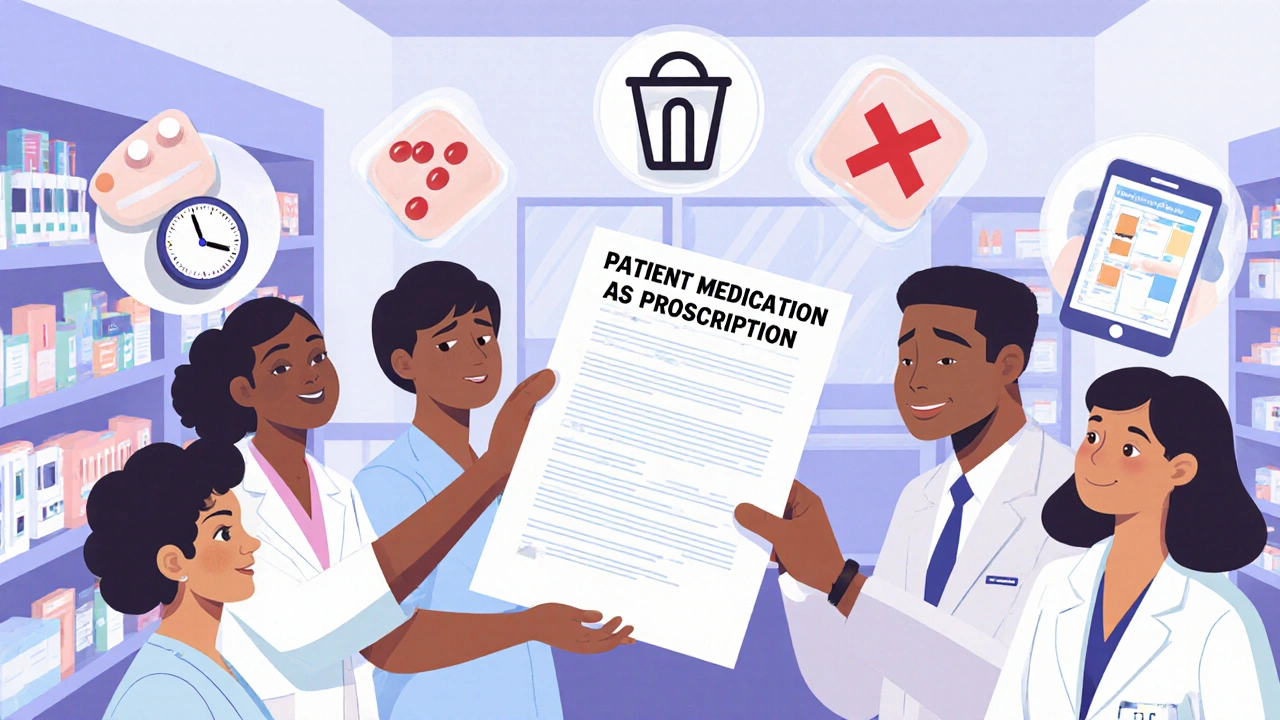
The FDA is proposing a new standardized Patient Medication Information (PMI) format for all outpatient prescriptions, replacing inconsistent Medication Guides. Learn what’s in the new one-page document, when it starts, and how it could improve safety and understanding.
- October 28 2025
- Tony Newman
- 8 Comments