
Providers: Who Helps You Manage Medications Safely
When it comes to your medications, providers, the people and systems responsible for prescribing, dispensing, and monitoring your drugs. Also known as healthcare professionals, they include doctors, pharmacists, nurses, and even family members you’ve legally authorized to speak for you. These aren’t just people you see in a clinic—they’re the ones who catch dangerous interactions, adjust doses when side effects show up, and help you stop drugs you no longer need.
Think about deprescribing, the careful process of reducing or stopping medications that may do more harm than good. Also known as medication review, it’s not something you do alone. It requires a healthcare proxy, someone you trust to make medical decisions if you can’t. Also known as medical power of attorney, this person can ask your doctor if that fourth blood pressure pill is still necessary, or if that supplement is mixing dangerously with your pills. And when you’re taking five or more drugs—what’s called polypharmacy, the use of multiple medications at once, common in older adults and those with chronic conditions. Also known as multiple drug use—your provider needs to be the one watching for side effects, not you. A pharmacist might spot that your ginkgo biloba and blood thinner are a risky combo. Your doctor might realize your fatigue isn’t from aging, but from a beta blocker that’s too strong. These aren’t guesses. They’re based on real data from people just like you, tracked over years of clinical use.
Providers don’t just hand out prescriptions. They help you understand why a drug was chosen, when to call if something feels off, and how lifestyle changes might reduce your reliance on pills. They’re the ones who explain why a DPP-4 inhibitor might cause joint pain, or why a new FDA format for medication info could make your next prescription easier to read. They’re the bridge between complex science and your daily life.
What you’ll find below are real stories from people who’ve worked with these providers—not just to get medicine, but to get it right. Whether it’s cutting back on pills safely, choosing who speaks for you in a crisis, or learning how to spot a side effect before it becomes a problem, these guides show how the right provider makes all the difference.
Specialty Pharmacy: How Providers Dispense Generic Specialty Drugs
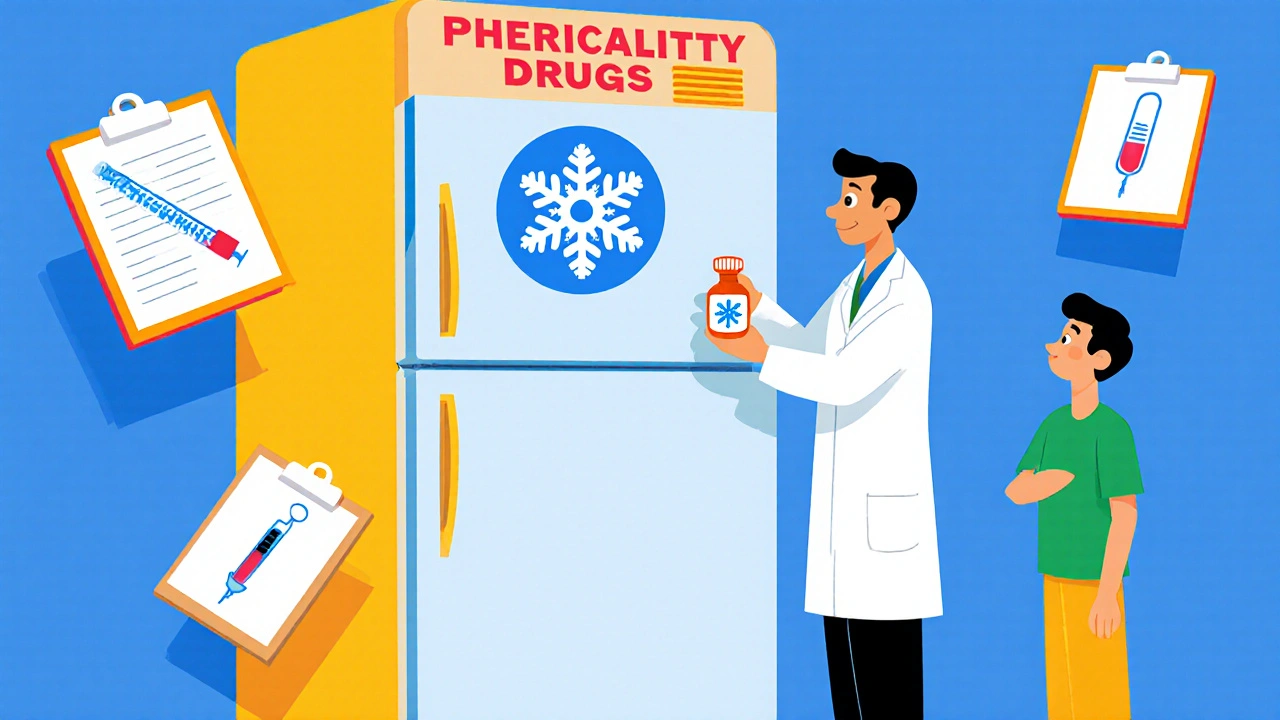
Specialty pharmacies dispense generic specialty drugs the same way as branded ones-not because of cost, but because of complexity. Learn how providers manage these drugs, why retail pharmacies can't fill them, and what patients should expect.
- November 17 2025
- Tony Newman
- 8 Comments