
Seizure Threshold: What It Is and How Medications Affect It
When your brain’s seizure threshold, the point at which abnormal electrical activity triggers a seizure. Also known as epileptic threshold, it’s the line between normal brain function and a seizure. Everyone has one — some people are born with a low threshold, making seizures more likely. Others have a high threshold and may never have one, even under stress or sleep deprivation. But this line isn’t fixed. Medications, illnesses, and even what you eat can push it up or down.
Many of the drugs you take — like beta blockers, medications used for heart conditions and high blood pressure — can lower your seizure threshold. That’s why someone on bisoprolol might suddenly notice new twitching or dizziness. It’s not always just fatigue or dizziness — sometimes it’s your brain getting closer to the edge. Other drugs, like certain antidepressants or antibiotics, do the same. On the flip side, antiepileptic drugs like topiramate or lamotrigine are designed to raise that threshold, helping prevent seizures. But even these can backfire if mixed with the wrong meds or if you skip doses. The line between treatment and risk is thin, and it’s not always obvious.
It’s not just about pills. Things like alcohol withdrawal, low blood sugar, or even a bad night’s sleep can drop your seizure threshold. That’s why people with epilepsy or a history of seizures are told to stick to routines — sleep, meals, meds, all on time. Your body learns balance. When that balance breaks, your brain reacts. And if you’re taking multiple drugs — say, for heart issues, depression, or chronic pain — the mix can be unpredictable. That’s where knowing your threshold matters. It’s not a number on a lab report. It’s a personal, shifting boundary you need to watch.
You’ll find posts here that help you untangle what’s happening in your body. Some explain how to tell if a new symptom is from a disease or a drug side effect. Others break down how common meds like bisoprolol, topamax, or ativan can affect your nervous system. There’s advice on managing side effects, spotting warning signs, and when to call your doctor. Whether you’re managing epilepsy, recovering from an injury, or just trying to stay safe on a new prescription, this collection gives you real, practical ways to understand your brain’s limits — and how to protect them.
Evening Primrose Oil and Seizure Risk: What You Need to Know About Antipsychotic Interactions
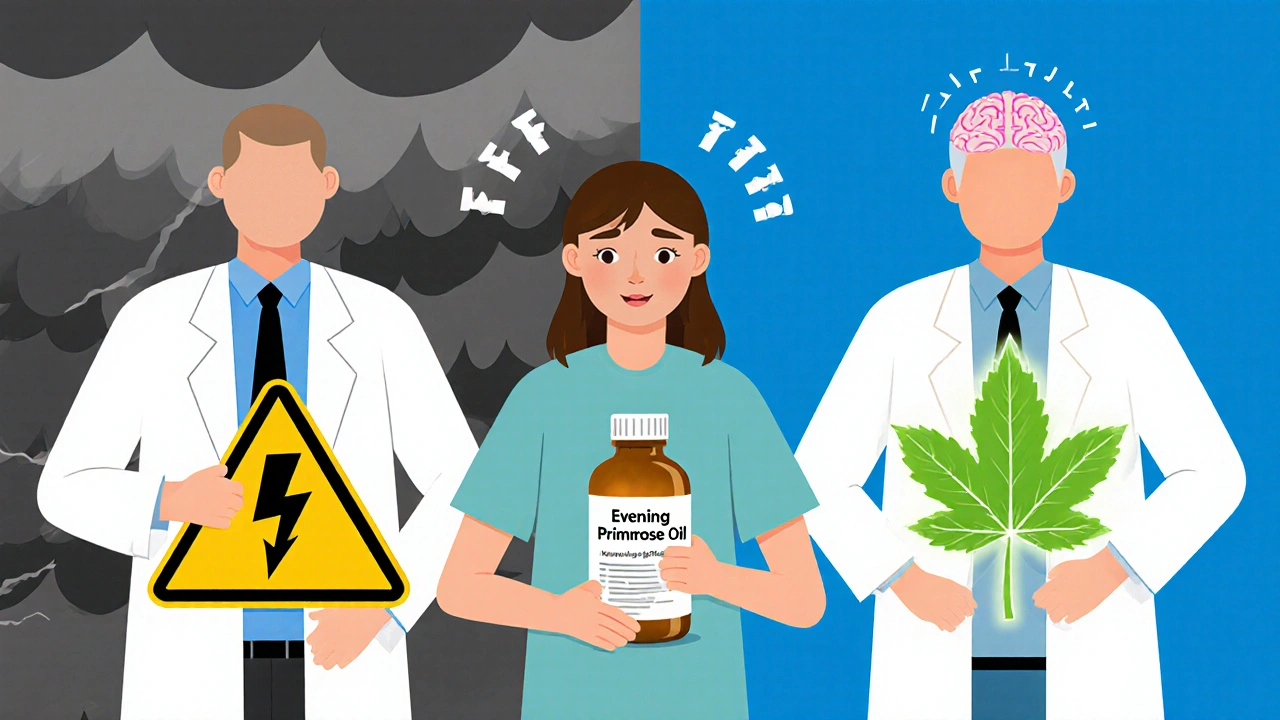
Evening primrose oil may increase seizure risk when taken with antipsychotics, but evidence is conflicting. Learn who should avoid it, what the science says, and safer alternatives for PMS and eczema.
- October 28 2025
- Tony Newman
- 8 Comments