
Specialty Pharmacy: What It Is and How It Helps With Complex Medications
When you need a drug that’s expensive, hard to get, or requires special handling, you’re likely dealing with a specialty pharmacy, a type of pharmacy that manages complex, high-cost medications for chronic or rare conditions. Also known as specialty dispensing pharmacy, it’s not your local drugstore—it’s a targeted system built for patients who need more than just a prescription filled. These pharmacies handle drugs for conditions like multiple sclerosis, rheumatoid arthritis, cancer, hepatitis C, and rare genetic disorders. They don’t just ship pills. They track dosing, manage side effects, coordinate with doctors, and even help with insurance approvals.
What makes a specialty pharmacy, a type of pharmacy that manages complex, high-cost medications for chronic or rare conditions. Also known as specialty dispensing pharmacy, it’s not your local drugstore—it’s a targeted system built for patients who need more than just a prescription filled. different is the level of support. These pharmacies work closely with patients who take high-cost drugs, expensive medications often used for chronic or life-threatening conditions that require special handling and monitoring. Also known as specialty medications, they are typically biologics, injectables, or oral oncology drugs. Think of drugs like Humira, Enbrel, or Gleevec—medications that cost thousands a month and need careful oversight. A medication management, the process of tracking, adjusting, and supporting a patient’s drug regimen to ensure safety and effectiveness. Also known as drug therapy management, it involves regular check-ins, lab monitoring, and education system is built around these drugs. That means nurses call you to see how you’re doing, pharmacists review your whole list of meds to avoid bad interactions, and delivery is scheduled so you never run out.
These services matter because many patients on specialty pharmacy drugs have chronic disease, long-term medical conditions requiring ongoing treatment and monitoring, such as diabetes, heart failure, or autoimmune disorders. Also known as long-term illness, these conditions often require multiple drugs and lifestyle adjustments. A study from the American Journal of Managed Care found that patients who got support from specialty pharmacies were 30% more likely to stick with their treatment. That’s not just about convenience—it’s about survival. If you’re on a drug that can cause liver damage, nerve issues, or serious infections, having someone watch your labs and answer your 10 p.m. questions changes everything.
You’ll find posts here that dig into the real-world side of this system: how to handle drug interactions with supplements like Ginkgo Biloba, why older adults on multiple drugs need special care, how to tell if new symptoms are from the disease or the medication, and what happens when you try to cut back on complex prescriptions. These aren’t theoretical guides—they’re practical, lived experiences from people managing conditions that demand precision, patience, and support. Whether you’re a patient, caregiver, or just trying to understand how these systems work, this collection gives you the tools to ask better questions, spot red flags, and get the care you actually need.
Specialty Pharmacy: How Providers Dispense Generic Specialty Drugs
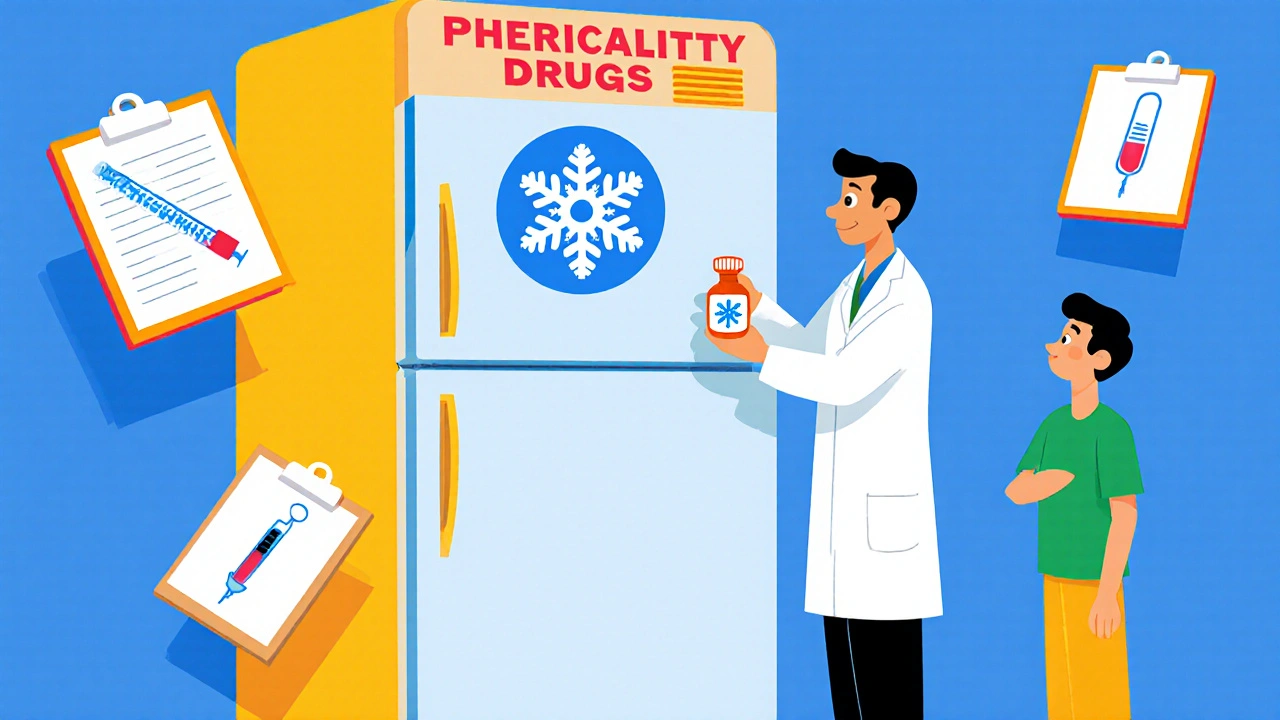
Specialty pharmacies dispense generic specialty drugs the same way as branded ones-not because of cost, but because of complexity. Learn how providers manage these drugs, why retail pharmacies can't fill them, and what patients should expect.
- November 17 2025
- Tony Newman
- 8 Comments