
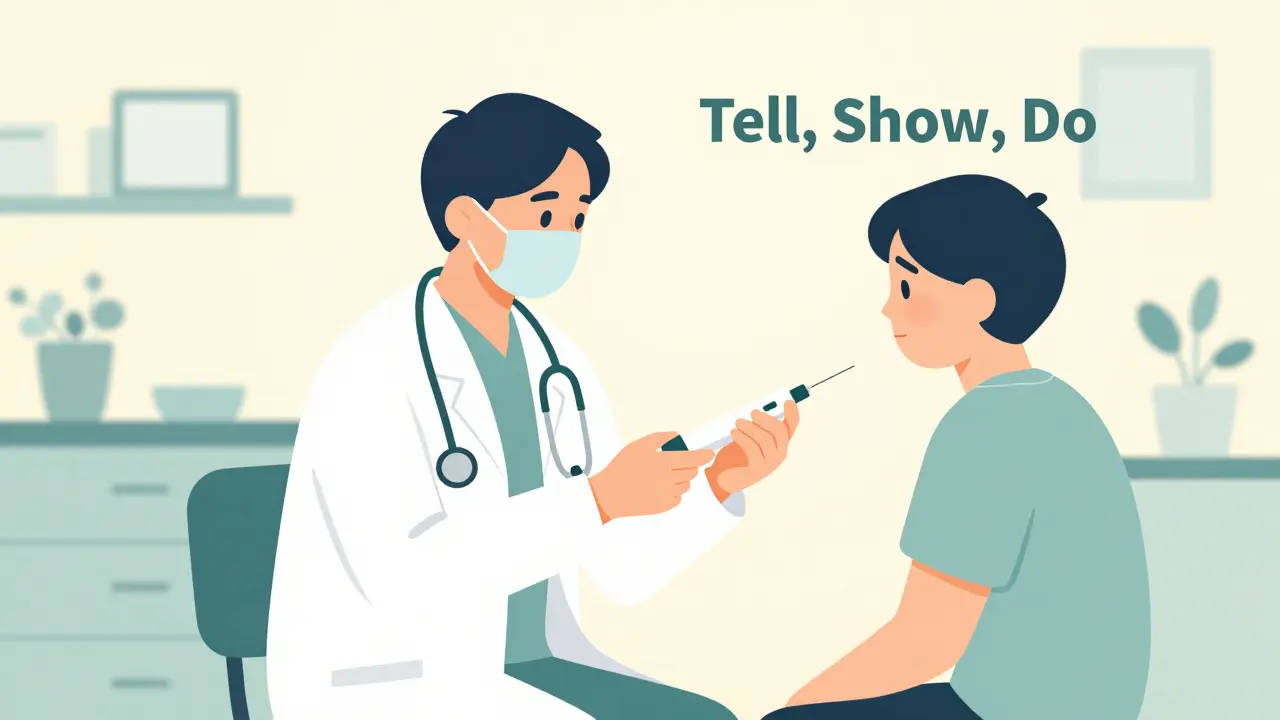
Starting a new treatment with biologic therapies is a major step in managing complex conditions like rheumatoid arthritis, psoriasis, or Crohn's disease. These aren't your typical pills; they are large-molecule drugs derived from living organisms. Because they are so complex, getting them into your system correctly is everything. While self-injection gives you freedom, it also puts the responsibility of sterile technique on your shoulders. If the training is rushed-which it often is-you aren't just risking a missed dose; you're risking an infection.
The Reality of Injection Training Gaps
Most people expect a thorough walkthrough before they start poking themselves with a needle. However, the reality in clinics is often a "quick demo." Research shows that while about 92% of patients get some form of training, it's often squeezed into a 30-minute window. For many, this is just a verbal explanation or a single demonstration. This "one-and-done" approach leaves a huge gap in confidence. In fact, over a third of patients feel unsure about their ability to inject correctly during their first six months.
When training is insufficient, the stakes are high. Treatment discontinuation rates can hit 45% in the first year. Why? Often it's not because the drug doesn't work, but because the patient is anxious or terrified of doing it wrong. If you feel like you were just handed a box and sent home, you aren't alone, but you are at a higher risk for errors that can lead to skin infections.
How to Tell if Your Training Was Actually Complete
Effective training isn't just about watching someone else do it. It should follow a three-step process: Tell, Show, and Do. If you only experienced one or two of these, your training was incomplete.
- Tell: This is the verbal instruction. Your provider explains where to inject, how to prep the site, and what to expect.
- Show: The provider demonstrates the process using either a trainer device (a needle-less dummy) or the actual medication.
- Do: This is the most critical part. You practice with a trainer or perform your first injection under direct supervision.
Only a small fraction of patients actually receive all three components. If you've only had the "Tell" and "Show" parts, ask your doctor for a supervised practice session. This hands-on experience is what turns anxiety into competence.
| Training Model | Typical Duration | Retention Rate | Key Weakness |
|---|---|---|---|
| Single-Session (Standard) | 30-40 Minutes | Moderate to Low | High anxiety, quickly forgotten steps |
| Distributed Training | 90-120 Minutes (Split) | 62% Higher Retention | Requires more clinic visits |
| Just-in-Time Digital | On-demand | 48% Fewer Errors | Lacks physical supervision |
Managing Infection Risks and Sterile Technique
Every time you break the skin barrier, you create a doorway for bacteria. According to CDC Centers for Disease Control and Prevention guidelines, improper technique can increase infection risk by as much as 37%. Most infections happen because of a compromised sterile field-basically, getting germs on the needle or into the skin before the drug is delivered.
To keep your skin safe, follow these non-negotiable rules:
- The 20-Second Scrub: Wash your hands with soap and water for at least 20 seconds. Hand sanitizer is a backup, but soap and water is the gold standard for removing physical contaminants.
- Site Rotation: Don't hit the same spot every time. Use your abdomen, thighs, and upper arms. Keep at least a one-inch gap between your last injection site and the new one to prevent skin thickening (lipohypertrophy).
- Clean the Zone: Use an alcohol swab to clean the skin and let it air dry completely. Injecting into wet alcohol can cause stinging and potentially push bacteria into the skin.
- Safe Disposal: Never throw needles in the regular trash. Use a puncture-proof sharps container to prevent accidental needles sticks for you and your waste collectors.
Spotting a Problem: When to Call Your Doctor
Not every red mark is an infection-some biologics cause mild local reactions. However, you need to know the difference between a "normal" reaction and a medical issue. Look for these red flags:
- Size of Redness: If the redness around the injection site exceeds 2 centimeters in diameter, it's time to call the clinic.
- Heat: If the area feels hot to the touch or your body temperature rises above 100.4°F (38°C).
- Spreading: Red streaks leading away from the site are a sign of a spreading infection that needs immediate attention.
- Pain: While a pinch is normal, throbbing pain that gets worse after 24 hours is not.
Overcoming the "Needle Fear" and Emotional Barriers
Mechanical skill is only half the battle. Many people quit their medication not because the drug failed, but because they can't handle the emotional stress of injecting themselves. This is why "ritual training" is becoming a game-changer. Instead of viewing the injection as a medical chore, successful patients often create a ritual around it.
Think of it like a coffee routine. Set a specific time, a clean dedicated space, and perhaps a rewarding activity afterward. By anchoring the injection to a familiar time and place, you reduce the "decision fatigue" and anxiety that lead to errors. For those who struggle with the actual plunge, the "breathing room" technique-where a partner or provider places a hand over yours to steady the movement-can stop the premature removal of the device in nearly 90% of anxious patients.
The Role of the Pharmacist and Digital Tools
Your doctor is great for diagnosis, but Pharmacists healthcare professionals specializing in the preparation and dispensing of medications are often the best resources for the actual "how-to." They are trained in medication counseling and can provide a more focused environment for practicing with trainer devices.
Additionally, digital platforms are filling the gaps. Many manufacturers now offer portals with video demonstrations and tracking tools. If your clinic training felt rushed, these tools can serve as "just-in-time" training, allowing you to refresh your memory seconds before you perform the injection. Using a combination of a pharmacist's guidance and a digital checklist can significantly reduce the chance of a technique error.
Does it matter where I inject the biologic medication?
Yes, it matters for both absorption and skin health. Common sites include the abdomen (avoiding the belly button), the thighs, and the upper arms. Rotating these sites is crucial because injecting in the same spot repeatedly can cause the skin to thicken or scar, which may prevent the medication from being absorbed correctly into your bloodstream.
Can I use a trainer device if I've already started my medication?
Absolutely. In fact, if you feel your technique is slipping or you're feeling anxious, using a trainer device can help you regain your muscle memory without wasting an expensive dose of medication. Many patients find that periodic practice with a trainer keeps their confidence high.
What should I do if I accidentally inject too shallowly?
If you suspect the medication didn't go deep enough (e.g., you see a lot of fluid leaking back onto the skin), do not try to "fix" it by injecting more in the same spot immediately. Contact your healthcare provider or pharmacist to ask if you need a replacement dose or if the amount absorbed was sufficient. Never double-dose without professional guidance.
How do I know if my injection site is infected?
Normal reactions include slight redness or a small bump. An infection is more likely if you see redness spreading beyond 2cm, feel significant warmth at the site, develop a fever over 100.4°F, or notice pus draining from the puncture point. These symptoms require a prompt call to your doctor.
Why is hand washing more important than using an alcohol swab?
While both are important, alcohol swabs only kill surface bacteria on the skin. If your hands are dirty, you can easily contaminate the needle, the device, or the skin area immediately after swabbing. Soap and water remove the physical dirt and oils that can shield bacteria from the alcohol, ensuring a much cleaner overall environment.
Next Steps for Patients and Caregivers
If you are about to start a biologic, don't settle for a 15-minute orientation. Demand a "try/do" session where you prove your technique to a professional. If you're already on the medication and feel shaky, schedule a follow-up with your pharmacist to review your site rotation and hygiene process.
For caregivers, the best way to help is to assist with the "ritual" side of things-helping the patient set up their clean workspace and providing a steadying hand if anxiety kicks in. Together, a focus on both the mechanical steps and the emotional comfort can turn a scary process into a manageable part of a healthy life.
