
What Exactly Is Dementia?
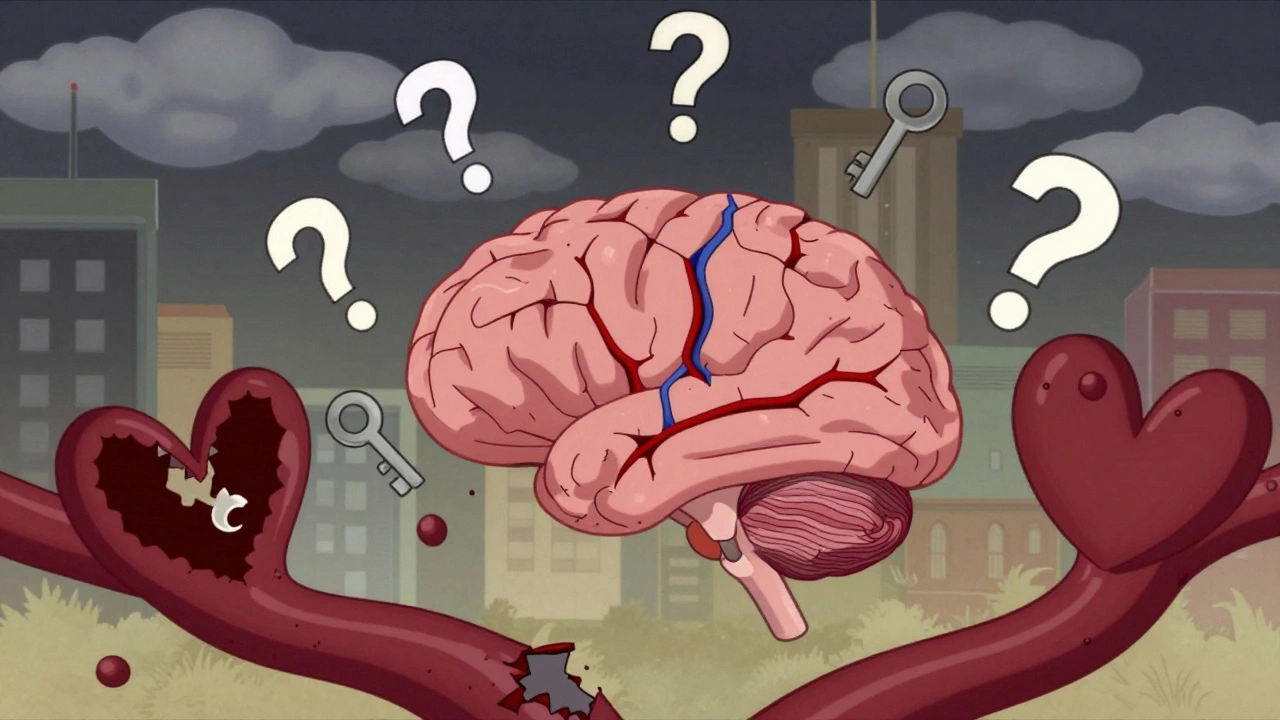
Dementia isn't one disease. It's a group of conditions that slowly steal memory, thinking skills, and the ability to do everyday tasks. People often think of dementia as just memory loss, but it's more than that. It can change how someone acts, speaks, moves, and even sees things. The most well-known type is Alzheimer’s, but vascular dementia, frontotemporal dementia, and Lewy body dementia are just as common - and each behaves very differently.
Vascular Dementia: When Blood Flow Fails
Vascular dementia happens when the brain doesn’t get enough blood. This usually comes from small strokes, clogged arteries, or long-term high blood pressure. It’s the second most common type of dementia after Alzheimer’s, affecting about 1 in 10 people with dementia.
Unlike Alzheimer’s, which creeps in slowly, vascular dementia often shows up in steps. A person might seem fine one month, then suddenly get worse after a mini-stroke. They might forget where they put their keys, struggle to follow a recipe, or have trouble walking or balancing. Hallucinations and delusions can also show up, especially if there’s been multiple small strokes.
What makes this type different is that it’s often preventable. Controlling blood pressure (keeping it under 130/80), managing diabetes, lowering cholesterol, and quitting smoking can cut the risk by up to 20%. Doctors use brain scans - usually MRI - to spot damaged areas caused by blocked or burst blood vessels. Treatment isn’t about fixing memory. It’s about protecting the brain from more damage. That means daily medications for blood pressure, aspirin to prevent clots, and lifestyle changes.
Frontotemporal Dementia: Personality Before Memory
Frontotemporal dementia (FTD) hits people younger than most other dementias. It’s often diagnosed between ages 45 and 65 - sometimes even in the 30s or 40s. That means someone might be diagnosed while still working, raising kids, or caring for aging parents.
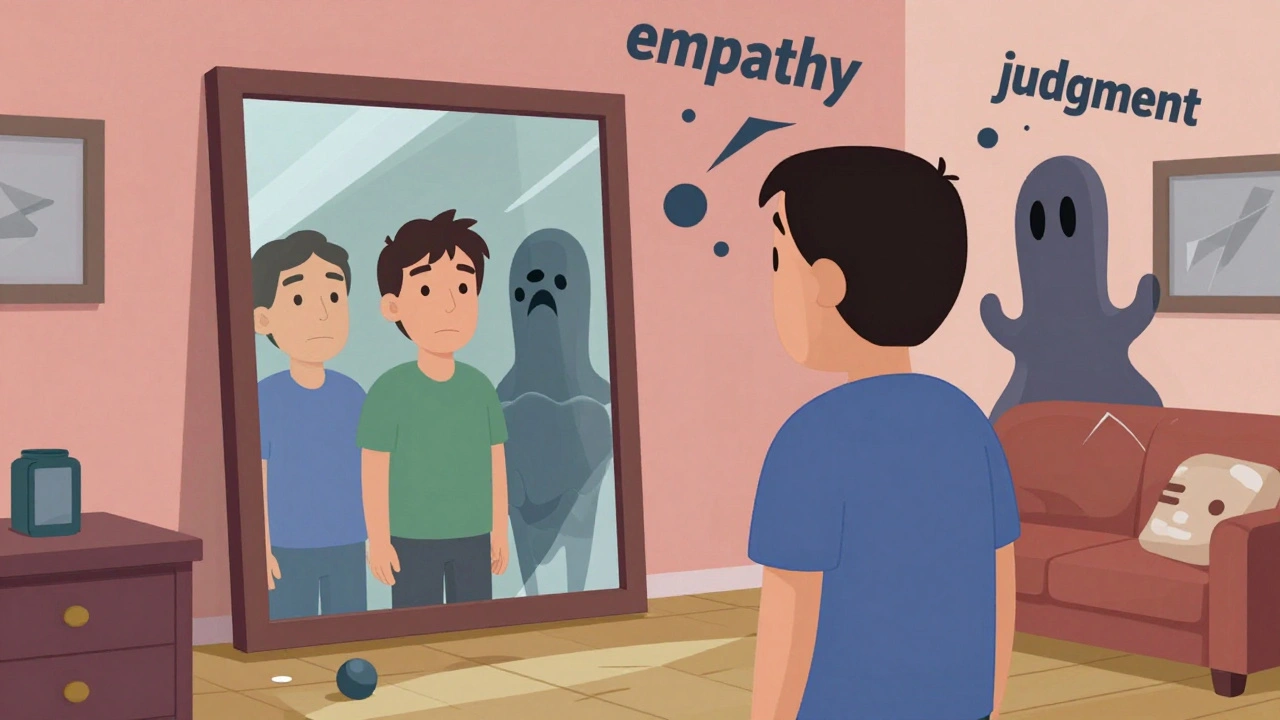
Here’s the twist: memory stays fairly sharp in the early stages. Instead, the person changes in ways that confuse family members. They might become emotionally flat, lose empathy, act impulsively, or say inappropriate things. One person might start compulsively eating sweets or hoarding items. Another might lose the ability to speak clearly or understand language - even though they know what they want to say.
Brain scans show shrinkage in the front and side parts of the brain - areas that control behavior, judgment, and language. Under the microscope, abnormal proteins called tau or TDP-43 build up and kill nerve cells. There’s no cure, and no drugs can stop it. But some symptoms can be managed. Antidepressants like SSRIs sometimes help with mood swings or obsessive behaviors. Speech therapy can support people with language troubles.
FTD is often mistaken for depression, bipolar disorder, or even schizophrenia. That’s dangerous because it delays the right care. Families need to know: this isn’t laziness or bad behavior. It’s brain disease.
Lewy Body Dementia: The Invisible Hallucinations
Lewy body dementia (LBD) is tricky. It combines symptoms of Alzheimer’s, Parkinson’s, and something else entirely - vivid hallucinations and wild mood swings. It affects about 1.4 million Americans and is the third most common dementia after Alzheimer’s and vascular dementia.
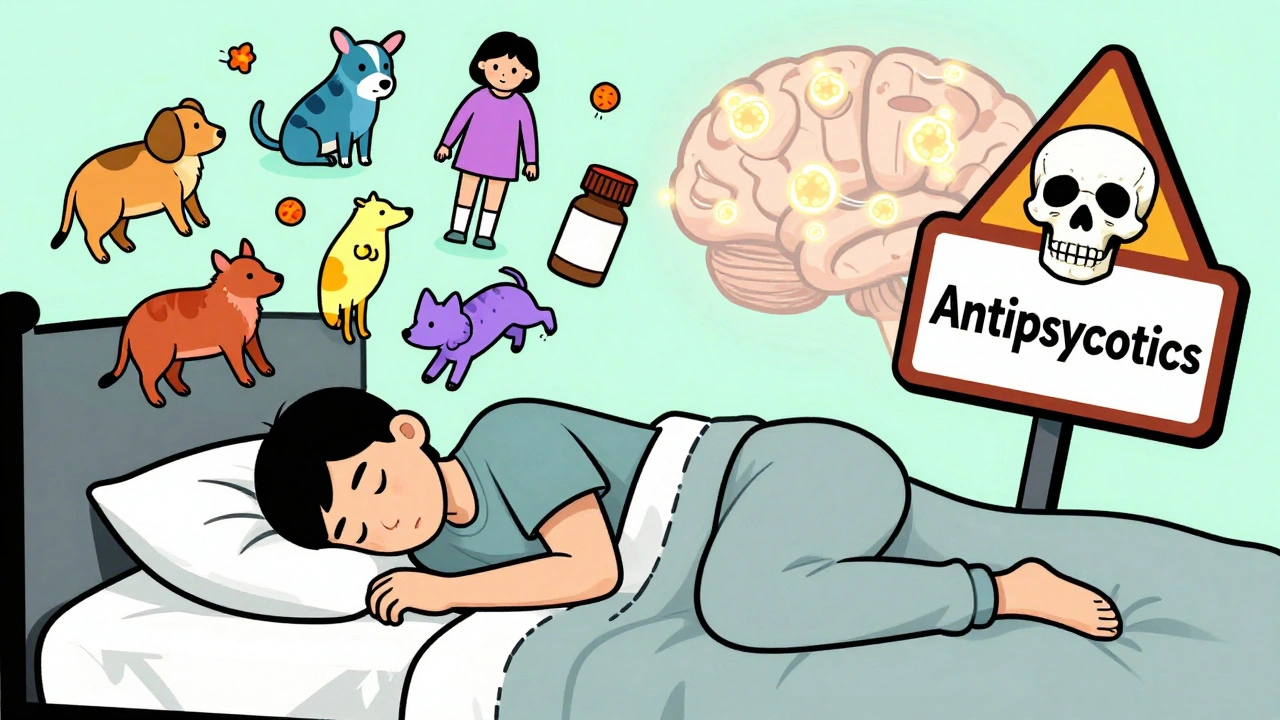
People with LBD don’t just forget things. They have days when they’re alert and clear-headed, and others when they’re confused, zoning out, or staring into space. They might see people or animals that aren’t there - often detailed, colorful, and not scary to them. They might act out their dreams at night, yelling or kicking while asleep. Their bodies stiffen, they shuffle when they walk, and their face loses expression - just like Parkinson’s disease.
The cause? Tiny clumps of a protein called alpha-synuclein, called Lewy bodies, build up in brain areas that control movement, thinking, and sleep. There are two versions: dementia with Lewy bodies (DLB), where thinking problems come first, and Parkinson’s disease dementia (PDD), where movement issues appear years before memory loss.
Here’s the critical warning: standard Alzheimer’s drugs like donepezil can help with memory in LBD, but antipsychotic medications - often used for hallucinations - can be deadly. They can cause severe stiffness, high fever, or even death in up to 75% of LBD patients. Doctors must avoid them at all costs. Instead, sleep issues are treated with melatonin, hallucinations with low-dose quetiapine (only if absolutely necessary), and movement problems with Parkinson’s meds like levodopa - carefully monitored.
How They Compare: Side by Side
| Feature | Vascular Dementia | Frontotemporal Dementia (FTD) | Lewy Body Dementia (LBD) |
|---|---|---|---|
| Typical Age of Onset | 65+ | 45-65 (often younger) | 50+ |
| Primary Cause | Reduced blood flow to brain | Tau or TDP-43 protein buildup | Alpha-synuclein Lewy bodies |
| Early Symptoms | Memory lapses, trouble following steps, sudden decline after stroke | Personality changes, poor judgment, language trouble | Fluctuating attention, visual hallucinations, movement issues |
| Memory Loss Early On? | Yes | No - often preserved | Mild at first - less than Alzheimer’s |
| Hallucinations | Can occur, often delusions | Rare | Very common - often vivid and detailed |
| Movement Problems | Yes - balance, walking | Yes - later stages | Yes - early and prominent |
| Key Diagnostic Tool | Brain MRI showing strokes or vessel damage | MRI showing frontal/temporal shrinkage | DaTscan, clinical symptoms (fluctuations + hallucinations + parkinsonism) |
| Primary Treatment | Control blood pressure, diabetes, prevent strokes | SSRIs for behavior, speech therapy | Cholinesterase inhibitors; avoid antipsychotics |
Why Getting the Right Diagnosis Matters
Misdiagnosis is shockingly common. Up to 75% of Lewy body dementia cases are initially called Alzheimer’s. That’s dangerous. Giving someone with LBD an antipsychotic drug can trigger life-threatening reactions. FTD is often labeled as depression or bipolar disorder - leading to the wrong meds and no real support.
Doctors need more than memory tests. They need brain scans, detailed symptom histories, and sometimes specialized tests like DaTscans for LBD. Families should keep a symptom journal: note when confusion comes and goes, when hallucinations happen, if movement changes, or if personality shifts suddenly.
Getting the right diagnosis doesn’t mean a cure - but it means better care. It means avoiding harmful drugs. It means preparing for the right kind of support. It means knowing what to expect.
What’s Next for Research and Treatment
Scientists are making progress. Blood tests are being developed to detect early signs of brain damage from vascular issues or abnormal proteins. For LBD, new drugs like prasinezumab are being tested to clear alpha-synuclein. For FTD, gene-targeting therapies are entering clinical trials, especially for those with inherited forms.
But funding lags. Alzheimer’s gets billions in research dollars. LBD and FTD combined get less than $50 million a year - even though they affect millions. That’s changing slowly, but families still need to push for awareness.
One big win? The SPRINT-MIND trial showed that aggressively lowering blood pressure (to under 120 systolic) reduced the risk of mild cognitive impairment by 19%. That’s a powerful reminder: what’s good for your heart is good for your brain.
What You Can Do Today
- If someone you love is showing sudden memory or behavior changes, don’t wait. See a neurologist, not just a primary care doctor.
- Keep a symptom log - note timing, triggers, and patterns. This helps doctors spot dementia type.
- Ask about brain imaging (MRI) and whether a DaTscan is appropriate.
- Never start antipsychotics for hallucinations without confirming it’s not LBD.
- Control blood pressure, sugar, and cholesterol - even if no dementia is diagnosed yet.
- Connect with support groups. FTD and LBD have dedicated organizations that offer real help.
Dementia isn’t one story. It’s three very different ones - each with its own rules, risks, and needs. Understanding the difference isn’t just academic. It’s the difference between safe care and dangerous mistakes.
Can vascular dementia be reversed?
No, brain damage from strokes can’t be undone. But further damage can be stopped. Controlling blood pressure, cholesterol, and diabetes can prevent more strokes and slow decline. Early action makes a big difference.
Is frontotemporal dementia hereditary?
About 10-30% of FTD cases run in families, often linked to mutations in genes like MAPT, GRN, or C9orf72. If multiple family members have early-onset dementia or behavioral changes, genetic counseling may help.
Why are antipsychotics dangerous in Lewy body dementia?
People with LBD are extremely sensitive to antipsychotics because Lewy bodies affect brain pathways that regulate movement and response to these drugs. Even low doses can cause severe stiffness, high fever, confusion, or even death. Always consult a neurologist before using these medications.
Can someone have more than one type of dementia?
Yes. About 40% of people with Alzheimer’s also have signs of vascular damage or Lewy bodies. This is called mixed dementia. Symptoms can overlap, making diagnosis harder - but treatment still needs to address all contributing factors.
At what age should I start worrying about dementia?
Most dementias appear after 65, but frontotemporal dementia often starts between 45 and 65. If someone under 65 shows major personality changes, language problems, or sudden behavioral shifts, it’s not normal aging - get it checked.
Final Thoughts
Dementia isn’t a single enemy. It’s a group of diseases with different causes, symptoms, and risks. Vascular dementia is about blood flow. Frontotemporal dementia is about personality and language. Lewy body dementia is about hallucinations, movement, and brain fluctuations. Treating them the same can hurt more than help. Knowing the difference isn’t just helpful - it’s essential for safety, care, and dignity.

Shayne Smith
December 6, 2025 AT 17:09Brooke Evers
December 6, 2025 AT 20:19Nigel ntini
December 7, 2025 AT 08:37Kay Jolie
December 8, 2025 AT 08:24Geraldine Trainer-Cooper
December 9, 2025 AT 02:57Billy Schimmel
December 9, 2025 AT 07:11Mansi Bansal
December 9, 2025 AT 20:03Kenny Pakade
December 10, 2025 AT 19:07