
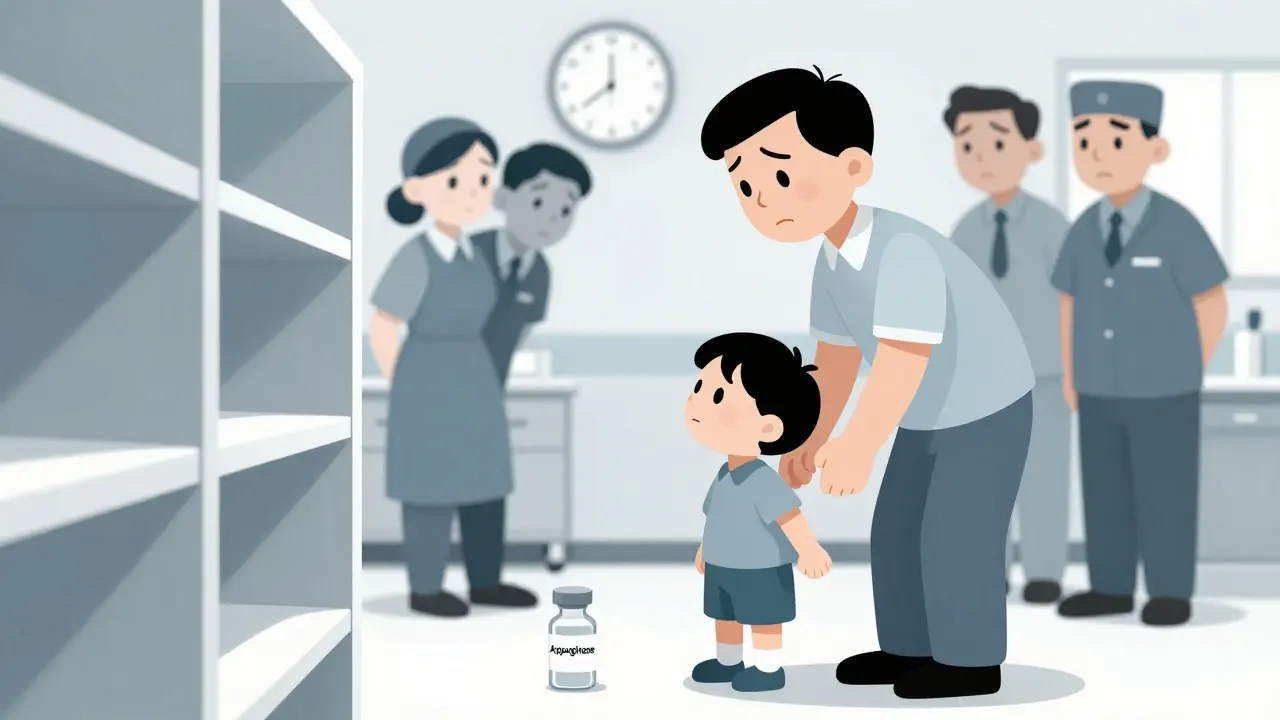
When a life-saving drug isn’t available, it’s not just an inventory problem-it’s a medical emergency. In 2025, over 250 drugs remained in short supply across the U.S., leaving doctors to choose between delaying cancer treatments, using riskier alternatives, or telling patients they can’t get their medication at all. This isn’t a rare glitch. It’s the new normal-and the human cost is mounting.
What Happens When a Critical Drug Disappears?
Imagine you’re a parent whose child has acute lymphoblastic leukemia. The standard treatment includes a drug called asparaginase. But the only manufacturer that produces it has a quality issue. Production halts. The hospital’s supply runs out. Now, your child’s treatment is delayed by two weeks. That delay isn’t just inconvenient-it can mean the difference between remission and relapse. This isn’t hypothetical. In 2023, shortages of asparaginase, nelarabine, and heparin lasted for years. Heparin, used to prevent blood clots during surgeries, became so scarce that cardiac centers had to redesign their entire anticoagulation protocols. Procedure times jumped by 22%. Staff had to learn new techniques on the fly. Errors spiked by nearly 20% during the transition. Oncology drugs aren’t the only ones affected. Antimicrobials, used to treat infections, are in short supply too. One hospital in Ohio reported that 37% of patients with severe sepsis had to wait over 48 hours for the right antibiotic because the preferred drug was unavailable. In some cases, patients got older, less effective drugs-or none at all.Who Gets Hurt the Most?
Children. Elderly patients. People with chronic conditions. These are the groups hit hardest. Pediatric facilities track 25% more drug shortages than general hospitals. Why? Because kids often need special dosages or formulations that only one or two manufacturers make. When those makers stop producing, there’s no backup. A shortage of IV saline, for example, doesn’t just delay a simple IV drip-it can shut down entire pediatric emergency departments. Older adults on multiple medications are at risk too. When a common blood pressure pill disappears, doctors may switch to a different one. But that new drug might interact with another medication the patient is already taking. The result? A trip to the ER. According to the NIH, medication errors linked to shortages rose 43% between 2019 and 2024. And then there’s the financial toll. Patients pay 18.7% more out of pocket during shortages because alternatives are often more expensive. Some skip doses. Others don’t fill prescriptions at all. An estimated 1.1 million Medicare patients could die over the next decade because they can’t afford their meds-shortages make that problem worse.Why Do These Shortages Keep Happening?
It’s not one thing. It’s a broken system. About 47% of shortages come from global supply chain issues. Most generic drugs-83% of all shortages-are made overseas, often in countries with weaker regulatory oversight. A single factory in India or China that fails an inspection can cut off supply to millions of Americans. Manufacturing problems account for 32% of shortages. A tiny contamination in a batch of injectable drugs can trigger a recall. And because these drugs have low profit margins, companies don’t invest in backup production lines. Why build extra capacity when you’re barely making a few cents per pill? Raw material shortages make up the rest. If the chemical needed to make an antibiotic isn’t available, production stops. And there’s no stockpile. Unlike oil or grain, there’s no national reserve for essential medicines. The FDA now requires manufacturers to report potential shortages six months in advance. That sounds helpful-until you realize many companies still wait until the last minute. Or they report it too vaguely. Or they don’t report it at all.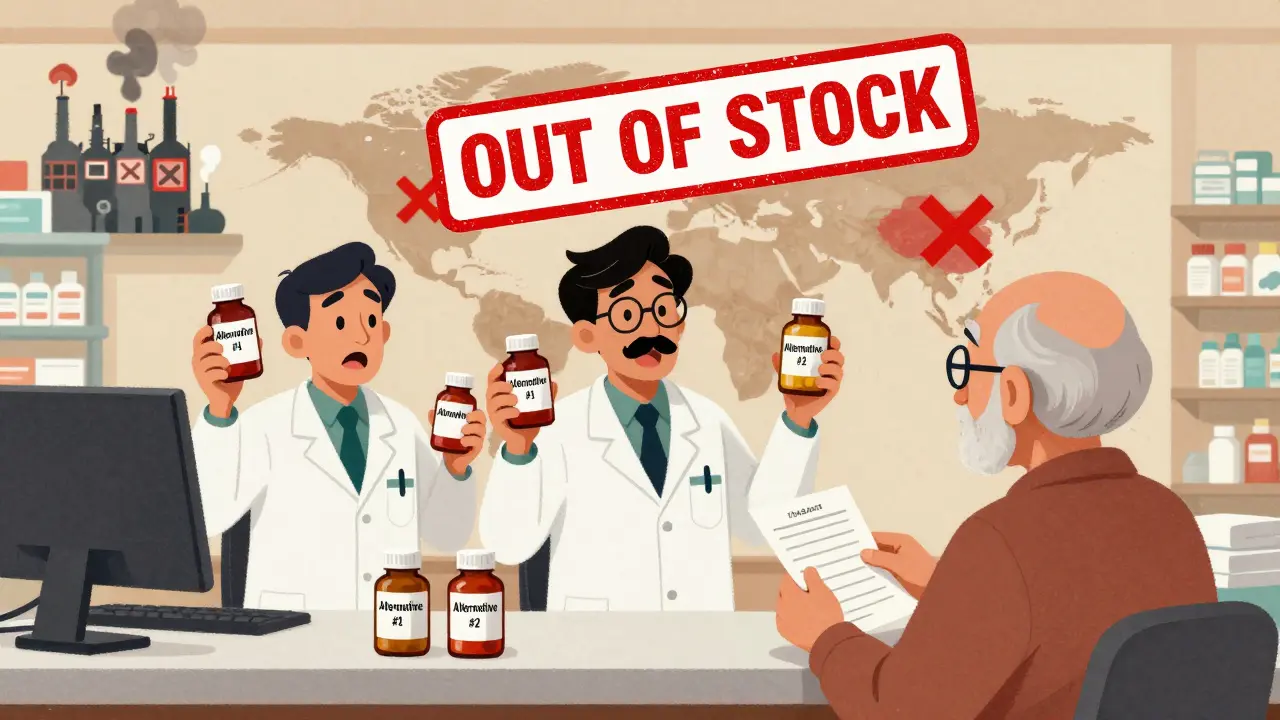
How Hospitals Are Trying to Cope
Hospitals are stretched thin. On average, each facility tracks 43 active shortages at once. Some track over 70. Pharmacists spend 15 to 20 hours a week per shortage just finding alternatives, updating protocols, and training staff. Pediatric units need even more time. That’s 15 hours a week-on top of their regular jobs-just to keep up with missing drugs. Many hospitals now have shortage management teams. They use software to monitor inventory and alert staff when a drug is running low. They join group purchasing organizations like Vizient, which pools buying power to secure better deals and share alerts across hospitals. But these are band-aids. They don’t fix the root problem. They just help hospitals survive another week.The Ripple Effect on Care
When drugs vanish, care doesn’t just slow down-it changes shape. Outpatient infusion centers, where patients get chemotherapy or immune therapies, have seen 41% of appointments delayed or skipped. Patients wait weeks for treatments they were scheduled for months ago. Anxiety spikes. Progress stalls. Even common drugs like lorazepam (used for seizures and anxiety) and triamcinolone (for inflammation) are in short supply. That means emergency rooms can’t treat patients effectively. Pain management becomes guesswork. Infections go untreated longer. One study found that 65% of pharmacy directors had to cancel or delay procedures because of drug shortages. That’s not just a scheduling issue-it’s a safety issue. Delayed surgeries mean longer hospital stays. More complications. Higher costs. And the stress on staff? It’s real. Nurses and pharmacists are tired. They’re making decisions under pressure, with incomplete information. Burnout is rising. Turnover is too.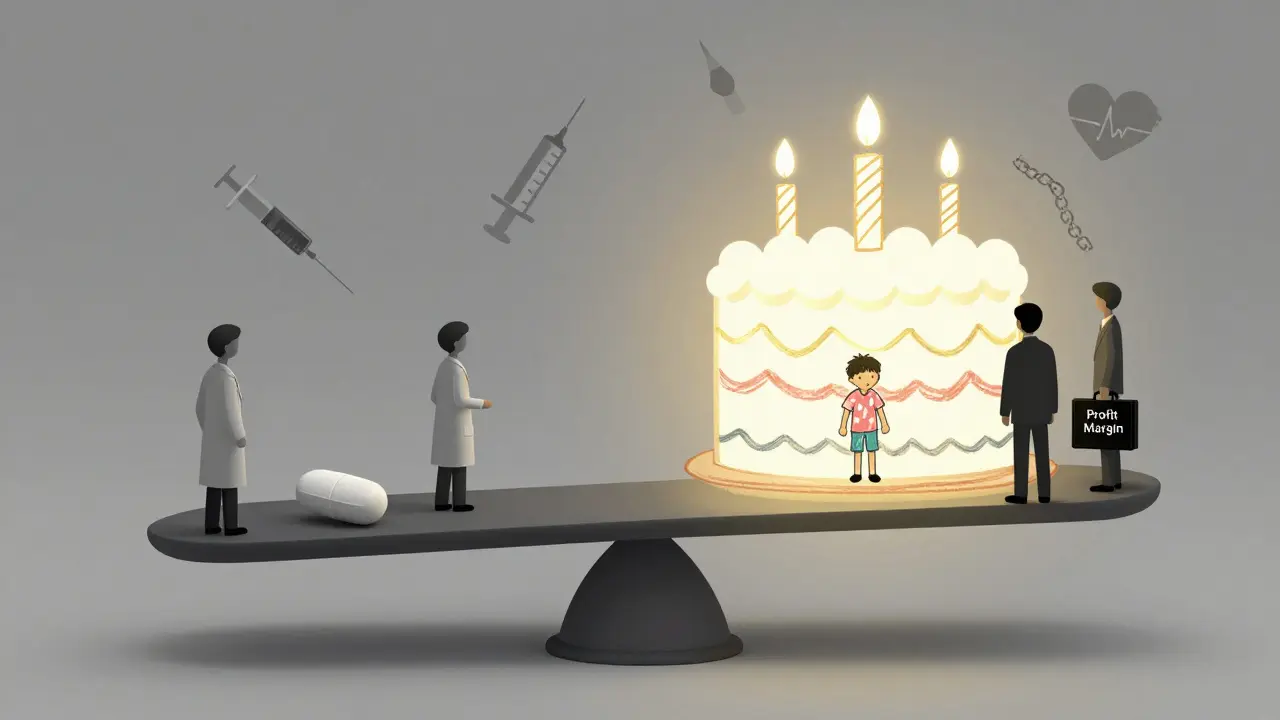
What’s Being Done-and Why It’s Not Enough
There’s been progress. The number of active shortages dropped from 323 in early 2024 to 253 by mid-2025. That’s the first meaningful decline since 2022. The FDA’s new reporting rules are helping. Some manufacturers are starting to diversify their supply chains. But the system is still fragile. The number of shortages is still more than 35% higher than it was in 2021. And the drugs in shortest supply are the ones that matter most: cancer drugs, antibiotics, anesthetics, and insulin. Congress has held hearings. The White House issued an executive order on supply chains. But no major legislation has passed to fix the core issue: the lack of financial incentive to make low-margin generic drugs. Until companies are paid fairly for producing these essential medicines, shortages will keep coming. And patients will keep paying the price.What You Can Do
If you or a loved one relies on a medication that’s been in short supply:- Ask your doctor about alternatives-don’t wait until your prescription runs out.
- Keep a list of all your medications, including dosages and why you take them. This helps pharmacists find substitutes faster.
- Don’t skip doses or cut pills in half to make them last. That can be dangerous.
- Report issues to your pharmacy or hospital. Your voice helps build the case for change.
It’s Not Just About Pills
Drug shortages aren’t a pharmacy problem. They’re a public health crisis. They’re about whether a child gets to see their next birthday. Whether a cancer patient lives long enough to see their grandchild born. Whether a senior can breathe without an asthma attack. The system is broken. But awareness is growing. And change starts when people understand what’s really at stake. If you’re reading this, you’re part of that awareness. Now, share it. Talk about it. Push for solutions. Because when a drug disappears, it’s not just a supply chain issue-it’s someone’s life on the line.What causes drug shortages in the U.S.?
The main causes are global supply chain disruptions (47% of shortages), manufacturing quality failures (32%), and lack of raw materials (21%). Most shortages involve generic drugs, which have low profit margins, so manufacturers don’t invest in backup production. A single factory shutdown overseas can cut off supply to millions of patients.
Which drugs are most commonly in short supply?
Antimicrobials, oncology drugs, and anesthetics are the most affected. Specific drugs like asparaginase (for leukemia), nelarabine (for T-cell cancers), heparin (for blood clot prevention), IV saline, lorazepam, and triamcinolone have had prolonged shortages lasting years. Generic versions of these drugs are especially vulnerable because they’re cheaper to make and less profitable.
How do drug shortages affect patient safety?
Shortages lead to treatment delays, medication errors, and the use of less effective or riskier alternatives. Studies show a 43% increase in medication errors directly tied to shortages since 2019. Patients may skip doses, delay treatments, or go without care entirely. In hospitals, 31% of adverse events have been linked to drug shortages, and 65% of pharmacy directors report canceled or delayed procedures.
Are drug shortages getting better or worse?
There’s been a slight improvement: active shortages dropped from 323 in early 2024 to 253 by mid-2025. But that’s still far above the 187 shortages recorded in 2021. The problem remains severe, especially for critical drugs like cancer treatments and antibiotics. The FDA’s new reporting rules have helped, but without financial incentives for manufacturers, shortages will continue.
What can patients do if their medication is unavailable?
Don’t stop taking your medication without talking to your doctor. Ask about alternatives, keep a current list of all your drugs, and work with your pharmacist to find safe substitutes. Avoid cutting pills or skipping doses-this can be dangerous. Report issues to your provider or hospital. Your experience helps track the scope of the problem and push for change.

Paul Barnes
January 20, 2026 AT 19:11Let’s be real-this article is just a long-winded op-ed dressed up as journalism. The facts are correct, sure, but nobody’s addressing the root cause: the FDA’s overregulation of generic manufacturers. Every time a plant gets shut down for a speck of dust, it’s because the agency demands impossible standards that don’t exist for luxury pharmaceuticals. Meanwhile, India and China produce billions of safe, effective pills daily. Why are we letting bureaucracy kill patients?
pragya mishra
January 20, 2026 AT 19:48As someone from India, I see this every day. Our factories make half the world’s generics, but we’re treated like criminals when something goes wrong. The U.S. outsources the work, then blames us for the consequences. It’s not our fault your system doesn’t pay for the drugs people need. Stop pretending this is about safety-it’s about profit margins and political cowardice.
Manoj Kumar Billigunta
January 22, 2026 AT 01:37There’s a lot here, and most of it is true. But let’s not lose sight of the human side. Pharmacists are working 15 extra hours a week just to find substitutes. Nurses are giving kids meds they’re not trained on. These aren’t abstract policy failures-they’re real people doing their best in impossible conditions. We need to fund the system that makes these drugs, not just complain when they’re gone. Support local manufacturers. Push for fair pricing. Don’t wait for a crisis to act.
Andy Thompson
January 22, 2026 AT 14:09THIS IS A DEEP STATE OPERATION. The FDA, Big Pharma, and the WHO are all in bed together to keep you dependent on overpriced meds. Why? Because they want you weak. They want you scared. They want you to beg for permission to breathe. Look at the numbers-47% shortages from overseas? That’s a lie. The real reason? The government is letting foreign labs make the drugs so they can control the supply. They’re holding your child’s cancer meds hostage to force you into the vaccine system. Wake up. This isn’t a shortage-it’s a weapon.
sagar sanadi
January 24, 2026 AT 10:04Wow, what a surprise-drugs are expensive because making them is expensive. Who knew? Next you’ll tell me water is wet. The real story? Nobody wants to make $0.02 pills when they can make $200 cancer drugs. So they don’t. And now we’re shocked? Newsflash: capitalism works. If you want cheap drugs, pay for them. Or move to a country where the government gives out meds like candy. But don’t cry when the system you enabled fails you.
kumar kc
January 24, 2026 AT 19:20If you can’t afford your medicine, you shouldn’t be taking it. People die because they’re irresponsible. This isn’t a crisis-it’s karma.
Thomas Varner
January 26, 2026 AT 03:16Okay, so… this is bad. Really bad. Like, heartbreakingly bad. I work in a rural ER. We ran out of epinephrine last month. Had to use an old, expired vial because the new batch was ‘delayed.’ The patient lived. But what if they hadn’t? We’re not talking about inconvenience here. We’re talking about people being treated like inventory. And the worst part? Nobody seems to care enough to fix it. Not really. Not yet.
Jacob Cathro
January 27, 2026 AT 16:17Let’s be real-this is a supply chain dumpster fire. The FDA’s got this ‘risk-based’ BS that makes zero sense. You shut down a plant over a 0.001% contamination rate, but let a billion-dollar biologic factory run with 3x the defects? Classic. And don’t get me started on the ‘generic drug’ scam. These aren’t ‘cheap meds’-they’re the backbone of modern medicine. And now we’re treating them like disposable packaging. Meanwhile, the same execs who cut corners on production are flying private to Davos to talk about ‘health equity.’ Pathetic.
Renee Stringer
January 28, 2026 AT 14:27It’s frustrating to see how little has changed. I’ve watched my mother skip doses of her blood pressure medication for months because the generic was unavailable. She didn’t complain. She just suffered. And now we’re all pretending this is a policy debate. It’s not. It’s moral failure. And silence is complicity.
thomas wall
January 28, 2026 AT 17:46One cannot help but observe with profound dismay the systemic erosion of pharmaceutical integrity in the United States. The absence of strategic stockpiling, the failure to incentivize domestic production, and the commodification of essential therapeutics represent not merely administrative negligence, but a fundamental breach of the social contract. This is not merely a logistical issue-it is an ethical catastrophe.
Shane McGriff
January 29, 2026 AT 08:37Thank you for writing this. I’ve been a nurse for 18 years, and I’ve seen this get worse every single year. The worst part isn’t the shortages-it’s how normal it’s become. We don’t even flinch anymore when a kid’s chemo gets delayed. That’s not resilience. That’s trauma. We need real policy, not just awareness. We need Congress to fund the production of essential generics like they fund military hardware. Because right now, we’re treating human lives like a budget line item.