

When your chest hurts, it’s not just discomfort-it’s your body screaming for attention. Chest pain can come from a heart attack, a panic attack, acid reflux, or something less serious like a pulled muscle. But you can’t always tell the difference on your own. That’s why medications play a critical role-not to hide the pain, but to treat the cause before it turns deadly.
Not All Chest Pain Is the Same
Medications for chest pain don’t work the same way for everyone because the causes vary wildly. If your chest pain comes from a blocked artery, you need drugs that open blood flow. If it’s from stomach acid, you need something that calms your digestive system. Taking the wrong pill can make things worse.
Heart-related chest pain, called angina, feels like pressure, squeezing, or tightness behind the breastbone. It often spreads to the arm, neck, or jaw. It usually shows up during physical effort or stress and fades with rest. This is different from the sharp, stabbing pain that comes from a muscle strain or the burning sensation of heartburn.
Medications for Heart-Related Chest Pain
If your doctor suspects your chest pain is heart-related, they’ll likely start with one or more of these proven medications:
- Nitroglycerin - This is the go-to for immediate relief during an angina episode. It relaxes blood vessels, letting more blood and oxygen reach your heart. You place a tablet under your tongue or use a spray. It works in under a minute. If it doesn’t help after three doses, call emergency services-this could be a heart attack.
- Aspirin - A single 160-325 mg chewable tablet can be lifesaving during a suspected heart attack. It thins the blood and stops clots from growing. Don’t wait for confirmation-act fast. Emergency responders often give this before the ambulance even arrives.
- Beta-blockers - Drugs like metoprolol or atenolol slow your heart rate and lower blood pressure. This reduces how hard your heart has to work, cutting down on future angina episodes. They’re taken daily, not just when you feel pain.
- Calcium channel blockers - Used when beta-blockers aren’t enough or cause side effects. Verapamil and diltiazem relax artery walls, improving blood flow. They’re especially helpful if your chest pain comes from artery spasms.
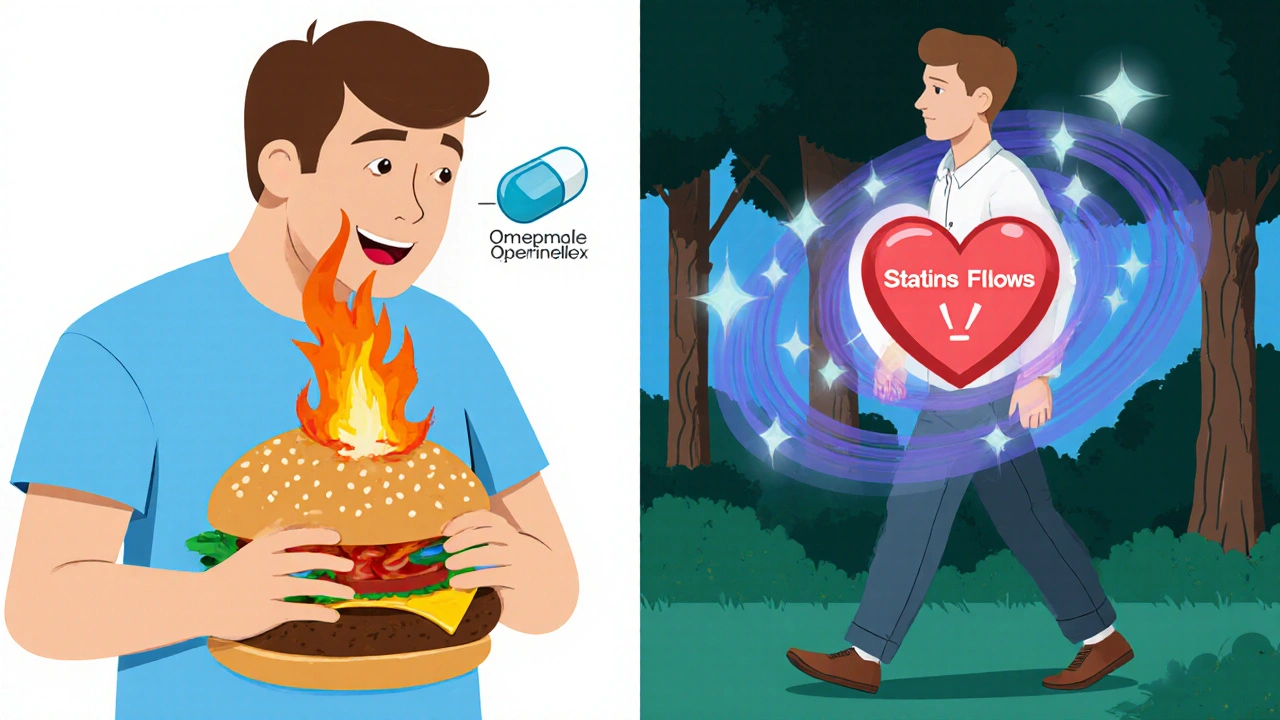
- Statins - Not for instant relief, but essential for long-term protection. Atorvastatin and rosuvastatin lower LDL (bad) cholesterol and stabilize plaque in arteries. This prevents future blockages. Studies show people on statins after a heart event reduce their risk of another by up to 30% over five years.
What About Non-Heart Causes?
More than half of chest pain visits to emergency rooms turn out to be non-cardiac. That doesn’t mean it’s not real-it just means different meds are needed.
- Antacids and PPIs - If your pain is worse after eating, when lying down, or accompanied by a sour taste, it’s likely acid reflux. Omeprazole or pantoprazole reduce stomach acid. Antacids like Tums give quick, short-term relief.
- Anti-anxiety medications - Panic attacks can mimic heart pain: tight chest, rapid heartbeat, dizziness. SSRIs like sertraline or short-term benzodiazepines like lorazepam can help if anxiety is the trigger. But these aren’t first-line treatments unless a mental health professional confirms the diagnosis.
- Anti-inflammatories - If the pain comes from costochondritis (inflammation of rib cartilage), ibuprofen or naproxen can reduce swelling and ease discomfort. These won’t touch heart-related pain.
What You Should Never Do
Self-medicating for chest pain is dangerous. Here’s what not to do:
- Don’t assume it’s heartburn and take antacids without checking.
- Don’t wait to see if it goes away. Heart attacks don’t always start with dramatic symptoms-some feel like indigestion or fatigue.
- Don’t take someone else’s medication, even if they have the same symptoms.
- Don’t skip your prescribed meds because you feel fine. Statins and beta-blockers work silently behind the scenes.
One real case from Melbourne: a 58-year-old man ignored daily chest tightness after walking to the bus stop. He thought it was just aging. Two weeks later, he had a major heart attack. His cardiologist later said if he’d started aspirin and a beta-blocker earlier, the damage could’ve been much less.
How Medications Fit Into a Bigger Plan
Medications aren’t magic pills. They’re part of a system. The best outcomes happen when drugs are paired with lifestyle changes:
- Quit smoking - This alone cuts heart attack risk by 50% in one year.
- Move more - Even 20 minutes of brisk walking five days a week improves blood flow and reduces angina.
- Eat for your heart - Focus on vegetables, whole grains, fish, nuts. Cut back on salt and processed foods.
- Manage stress - Chronic stress raises blood pressure and triggers spasms in heart arteries.
Studies from the American Heart Association show people who combine meds with lifestyle changes are 60% less likely to be hospitalized for chest pain compared to those who only take pills.
Side Effects and What to Watch For
All medications have risks. Here’s what to expect:
- Nitroglycerin can cause headaches or dizziness. Don’t drive after using it until you know how it affects you.
- Beta-blockers may cause fatigue or cold hands. Some people feel depressed. Talk to your doctor if this happens.
- Statins can cause muscle aches. If you notice unexplained weakness or dark urine, get checked-this could be a rare but serious reaction.
- PPIs taken long-term may affect bone density or kidney function. Don’t take them longer than your doctor recommends.
If you’re unsure whether a side effect is normal, call your doctor. Don’t stop the medicine on your own.
When to Call for Help
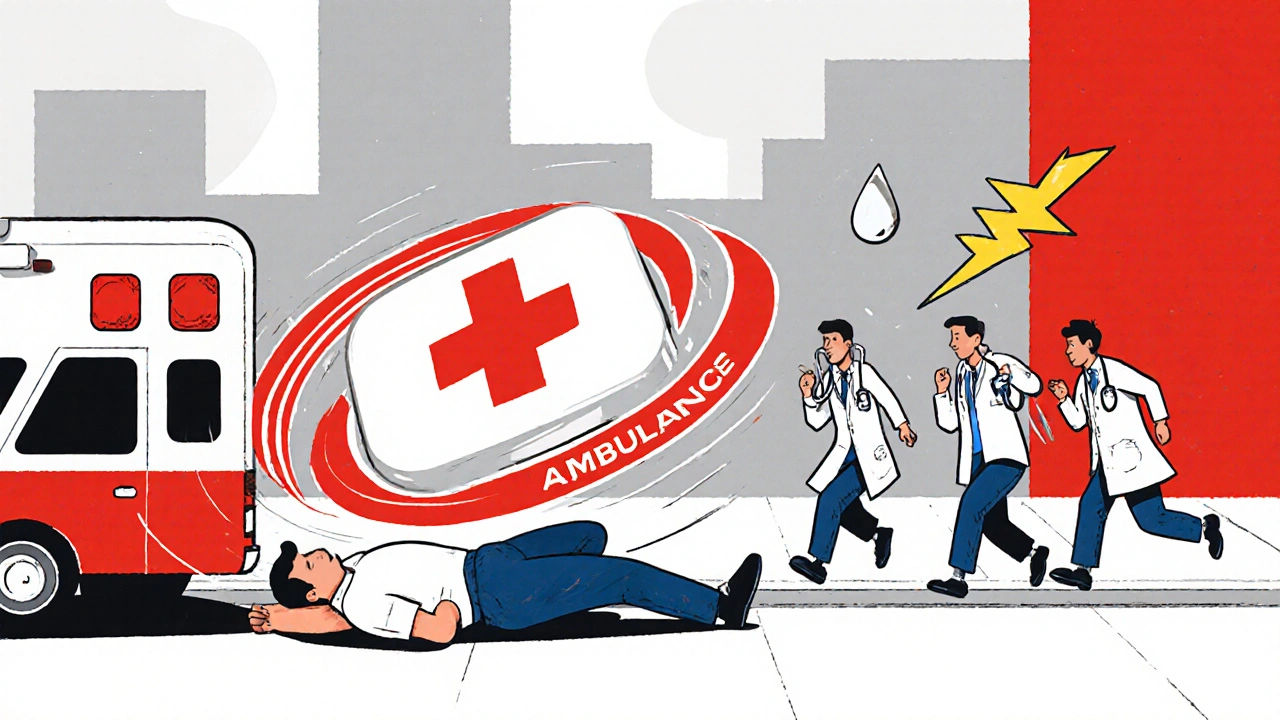
Some chest pain is an emergency. Call 000 (Australia) or your local emergency number if you have:
- Chest pain lasting more than 10 minutes
- Pain that spreads to your arm, neck, jaw, or back
- Shortness of breath, nausea, sweating, or dizziness with the pain
- Pain that doesn’t improve after taking nitroglycerin or aspirin
These signs don’t always mean a heart attack-but they mean you need help now. Emergency teams are trained to act fast. Waiting could cost you your life.
Medications Are Tools, Not Answers
Chest pain medications don’t fix the root problem-they manage it. The real goal is to prevent future events. That means regular check-ups, blood tests, and honest conversations with your doctor about your symptoms, habits, and fears.
If you’ve been prescribed meds for chest pain, take them as directed. Keep a small log: when the pain happens, what you were doing, what you took, and how you felt afterward. This helps your doctor fine-tune your treatment.
You don’t have to live in fear of chest pain. With the right meds, the right habits, and the right support, you can live well-even if your heart has sent you warning signs.
Can chest pain be caused by stress alone?
Yes. Severe stress or panic attacks can trigger chest tightness, rapid heartbeat, and shortness of breath that feels identical to a heart attack. This is called cardiac anxiety or psychogenic chest pain. While it’s not caused by blocked arteries, it’s still real and can be treated with therapy, breathing techniques, or sometimes anti-anxiety meds. But you should never assume it’s just stress-always get checked first.
Is it safe to take aspirin during chest pain?
If you suspect a heart attack, yes-chew one 160-325 mg aspirin tablet immediately. It reduces clotting and improves survival rates. But don’t take it if you’re allergic, have a bleeding disorder, or have been told not to by your doctor. If you’re unsure whether it’s a heart issue, call emergency services first-they’ll guide you.
Do all chest pain patients need statins?
No. Statins are prescribed based on risk factors-not just chest pain. If you have high cholesterol, diabetes, high blood pressure, or a family history of early heart disease, your doctor is more likely to recommend them. If your chest pain is from muscle strain or acid reflux, statins won’t help and aren’t needed.
Can I stop my heart medications if I feel fine?
Never stop without talking to your doctor. Beta-blockers and statins work quietly over time to prevent heart attacks. Feeling fine doesn’t mean your arteries are clear. Stopping suddenly can cause rebound angina, increased blood pressure, or even trigger a heart attack. If side effects are bothering you, ask for alternatives-not to quit.
How long does nitroglycerin last in the body?
Nitroglycerin works fast but doesn’t stay in your system long. Its effects peak within 5 minutes and fade after 30 minutes. That’s why it’s used for acute episodes, not daily prevention. Long-acting forms exist (patches or pills), but they’re prescribed differently and require careful timing to avoid tolerance.
Are there natural alternatives to chest pain meds?
There’s no proven natural substitute for medications like aspirin, nitroglycerin, or statins in treating heart-related chest pain. Supplements like CoQ10 or omega-3s may support heart health over time, but they don’t replace prescribed drugs during an episode. Relying on herbs or diet alone during active chest pain can be deadly. Always use natural approaches as complements, not replacements.
Next Steps If You Have Chest Pain
If you’ve had unexplained chest pain, here’s what to do next:
- Write down every episode: when it happened, how long it lasted, what you were doing, and what helped.
- Make an appointment with your GP or a cardiologist. Bring your log.
- Ask for an ECG and blood test for troponin (a heart damage marker).
- If prescribed meds, take them exactly as directed-even if you feel fine.
- Set up a follow-up in 4-6 weeks to review how you’re doing.
Chest pain is a signal-not a sentence. With the right understanding and treatment, most people go on to live full, active lives. The key is acting fast, staying informed, and never ignoring the warning signs.

Donald Sanchez
November 19, 2025 AT 01:38william volcoff
November 20, 2025 AT 05:35Mary Follero
November 20, 2025 AT 14:39Arun Mohan
November 22, 2025 AT 05:49Jessica Engelhardt
November 22, 2025 AT 07:10Lauren Hale
November 22, 2025 AT 15:12rachna jafri
November 23, 2025 AT 01:38prasad gali
November 24, 2025 AT 01:18Paige Basford
November 25, 2025 AT 16:04Kenneth Meyer
November 26, 2025 AT 23:29Hannah Machiorlete
November 27, 2025 AT 03:20Bette Rivas
November 28, 2025 AT 09:44Abdula'aziz Muhammad Nasir
November 29, 2025 AT 11:37Tara Stelluti
November 30, 2025 AT 22:45Danielle Mazur
November 30, 2025 AT 23:17