
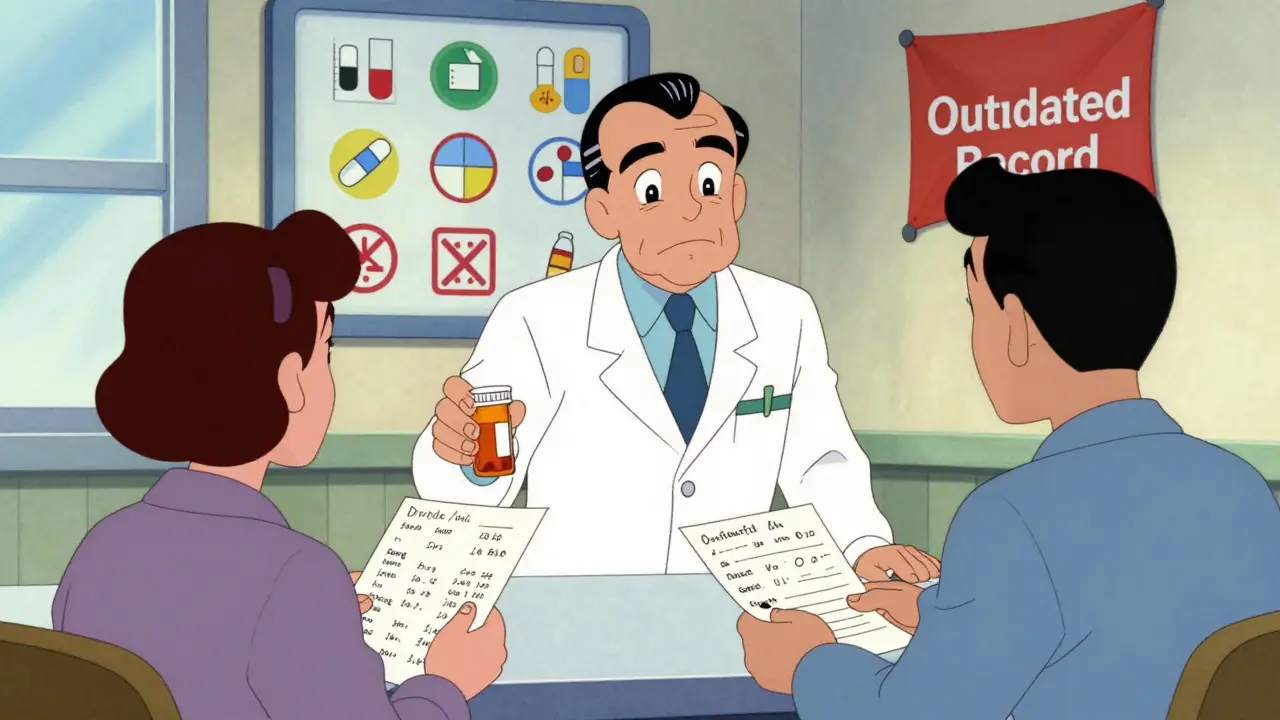
When you pick up your prescription, the pharmacist doesn’t just hand you the bottle and say goodbye. There’s a critical safety step happening right before that moment - checking your allergies and drug interactions. It’s not a formality. It’s your last line of defense against a reaction that could land you in the hospital. In fact, about 6.7% of all hospital admissions are caused by preventable drug reactions, according to a 2022 study in JAMA Internal Medicine. That’s one in every 15 people. And most of those happen because the system missed something - or the patient didn’t know what to say.
Why This Step Isn’t Optional
You might think, "I told them I’m allergic to penicillin years ago. Why do they keep asking?" The truth is, allergy records are often outdated, incomplete, or just plain wrong. A 2023 University of Michigan study found that over one-third of patient allergy records are older than five years. And here’s the kicker: only 10-20% of people who say they’re allergic to penicillin actually are. The rest were misdiagnosed as kids, had a rash from a virus, or were told "don’t take that again" after a side effect that wasn’t an allergy at all. Pharmacists aren’t being paranoid. They’re following a protocol. The American Society of Health-System Pharmacists (ASHP) updated its rules in March 2023: every pharmacist must complete allergy and interaction checks within 90 seconds of receiving a prescription. That’s not a lot of time. So they need help - and that’s where technology comes in.How the System Works (And Where It Fails)
Most pharmacies use electronic systems that pull your profile from your electronic health record (EHR). These systems compare your prescribed medication against databases of known allergies and interactions. But not all systems are built the same. There are three main ways they check:- NDC-based screening: Looks at the exact drug code. Problem? It flags inactive ingredients like dyes or fillers. If you’re allergic to red dye #40, it might block a pill that contains it - even if the active drug is perfectly safe. But 12.7% of alerts from this method are false, according to Wolters Kluwer’s 2023 analysis.
- Drug name concept screening: Checks the active ingredient. This catches more real interactions - 3.2 times more than NDC systems - but it floods pharmacists with alerts. You might get 10 warnings for one prescription, and 8 of them are about aspartame or corn starch. That leads to alert fatigue.
- Structured picklists (SNOMED CT): Uses standardized terms like "IgE-mediated penicillin allergy" instead of just "penicillin allergy." This reduces noise and improves accuracy. But not every pharmacy uses it.
What Happens at the Counter
At pickup, the pharmacist doesn’t just glance at the screen. They follow a four-step check that’s now standard:- Confirm your allergy record is current - updated within the last 12 months. If it’s from 2019, they’ll flag it.
- Run an interaction check using Lexicomp or Micromedex. These databases list over 1,000 drug-drug interactions, 300+ drug-food interactions, and 2,000+ drug-condition interactions.
- Check for cross-reactivity - especially if you have a history of dye, sulfite, or lactose sensitivity. Some antibiotics contain inactive ingredients that trigger reactions in sensitive people.
- Document everything - including why they overrode a warning. Since 2024, CMS requires this documentation to be shared with other providers.
The Real Problem: False Alerts and Missed Allergies
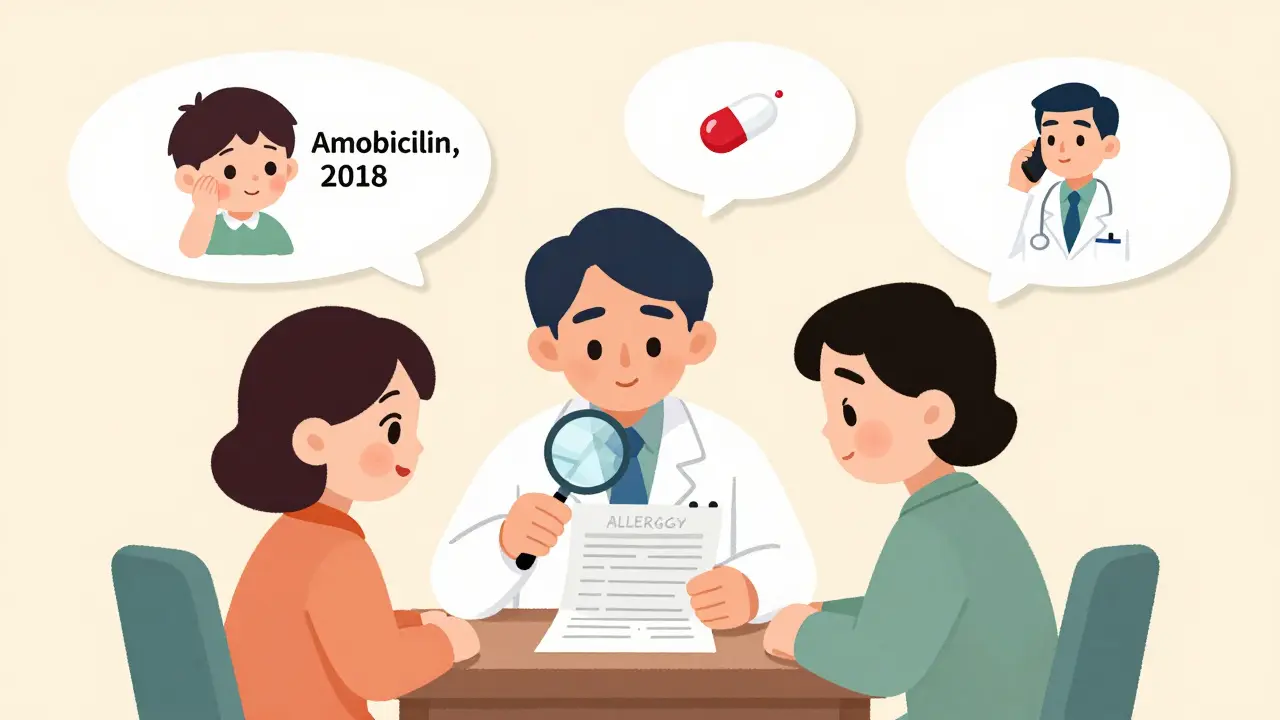
The biggest issue isn’t the technology - it’s how we use it. A 2024 BMJ study found pharmacists override 68.4% of allergy alerts. That’s alarming. But here’s the twist: 12.7% of those overrides are dangerous. Someone with a true anaphylaxis risk gets a drug they shouldn’t. And on the flip side, systems miss real allergies. If you only say "I’m allergic to antibiotics," the computer doesn’t know which one. If you say "I had a rash after amoxicillin," but your record just says "penicillin allergy," it might not catch that cephalexin - a related drug - is risky. That’s why the American Academy of Allergy, Asthma & Immunology (AAAAI) now recommends skin testing for people labeled as penicillin-allergic. If you’ve been told you’re allergic for years, ask your doctor: "Can I get tested?" Studies show 93% of those people can safely take penicillin again.What You Can Do to Help
You’re not just a passive patient. You’re part of the safety team. Here’s how to make this process work better:- Update your allergy list - every time you see a new provider. Write down the drug, the reaction (rash? swelling? breathing trouble?), and when it happened.
- Don’t say "I’m allergic to penicillin" if you’re not sure. Say: "I had a rash after taking amoxicillin in 2018. I never got tested." That gives the pharmacist more to work with.
- Bring a list of all your meds - even vitamins, supplements, and OTC painkillers. Some interactions happen between aspirin and blood thinners, or St. John’s Wort and antidepressants.
- Ask questions. If the pharmacist says "I can’t give you this because of your allergy," ask: "Can we check with my doctor? Is there another option?" You have the right to know why.
What’s Next for Pharmacy Safety
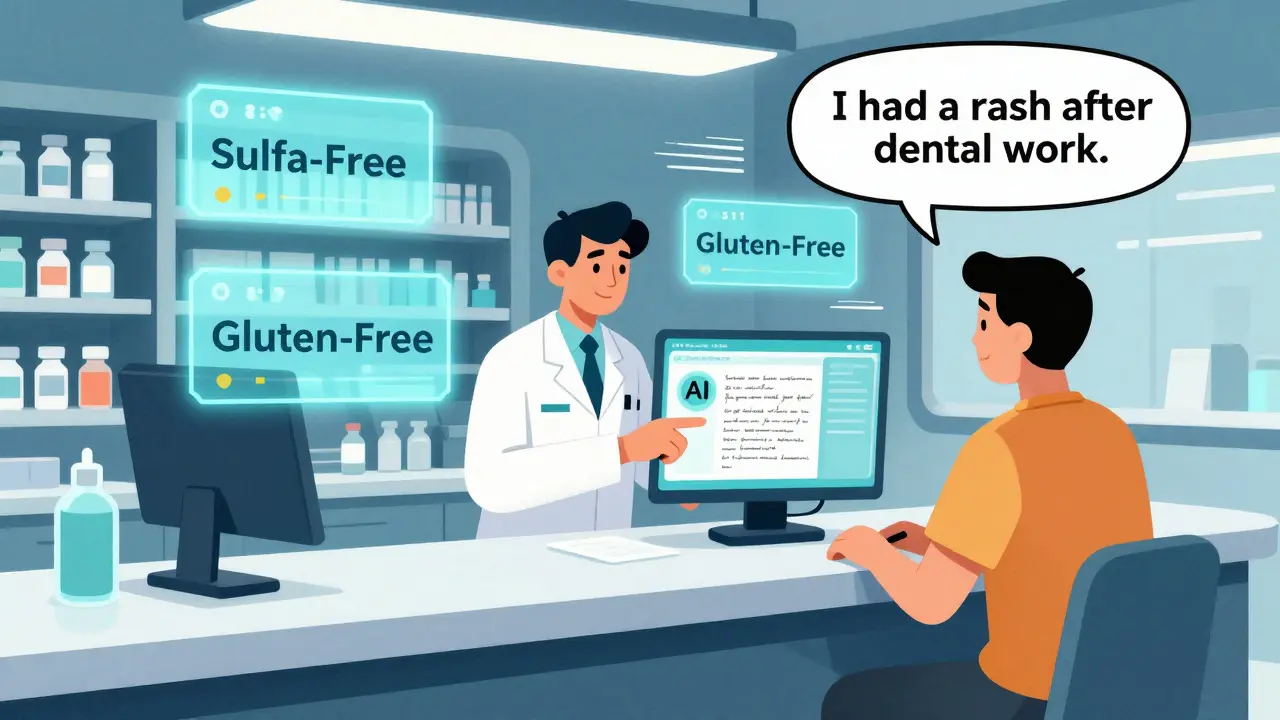
The system is getting smarter. Epic’s 2024 update now separates allergy alerts by severity. If you’ve had 15 allergies listed, it won’t bother you with a warning about a harmless dye - only the real threats. The FDA is pushing for standardized allergy labels on drug packaging by December 2025. That means every pill bottle will clearly state if it contains sulfa, gluten, or other common allergens. And AI is starting to help. Google Health’s 2024 pilot analyzed patient notes in EHRs and found 31.7% more undocumented allergies just by reading what doctors wrote. Imagine if your pharmacist could see that you mentioned a rash after a dental visit - even if it wasn’t in the official record. But the biggest change? It’s not tech. It’s conversation.Final Thought: Your Voice Matters
Technology can catch 99.8% of true allergies - but only if the data is right. And the data starts with you. Don’t assume your allergy history is stored perfectly. Don’t assume the pharmacist knows everything. Speak up. Update your list. Ask for clarity. That simple act - telling the truth about what happened to you - is what keeps you safe.What should I do if the pharmacist says my allergy record is outdated?
Ask them to confirm which allergy is outdated and why. If you’ve had a reaction to a drug in the last 5 years, make sure it’s documented. If you’re unsure, offer to contact your doctor. Most pharmacies can call your provider directly to update your record before you leave.
Can I be allergic to inactive ingredients in pills?
Yes. Common culprits include dyes (like red #40), lactose, gluten, and sulfites. If you have celiac disease, a dairy allergy, or a history of hives from food additives, tell your pharmacist. Some medications contain these as fillers, and while rare, reactions can be serious.
Why do I keep getting the same allergy warning even after I’ve taken the drug before?
The system doesn’t remember your personal history - only what’s documented. If you’ve taken the drug without issue, tell the pharmacist. They can override the alert, but they must record why. This helps future pharmacists avoid repeating the same warning.
Are online pharmacies as safe as in-person ones for allergy checks?
Reputable online pharmacies use the same EHR and interaction databases as brick-and-mortar stores. But they can’t ask you questions face-to-face. Make sure your allergy list is up to date in their system before ordering. If you’re unsure, call them - a good service will have a pharmacist on standby to review your profile.
What if I don’t have a recorded allergy but I think I’m sensitive to something?
Say so. Even if you’ve never been formally diagnosed, if you’ve had a reaction - itching, swelling, trouble breathing - after taking a drug, tell the pharmacist. They can flag it as a possible sensitivity and consult your doctor. Better safe than sorry.
