
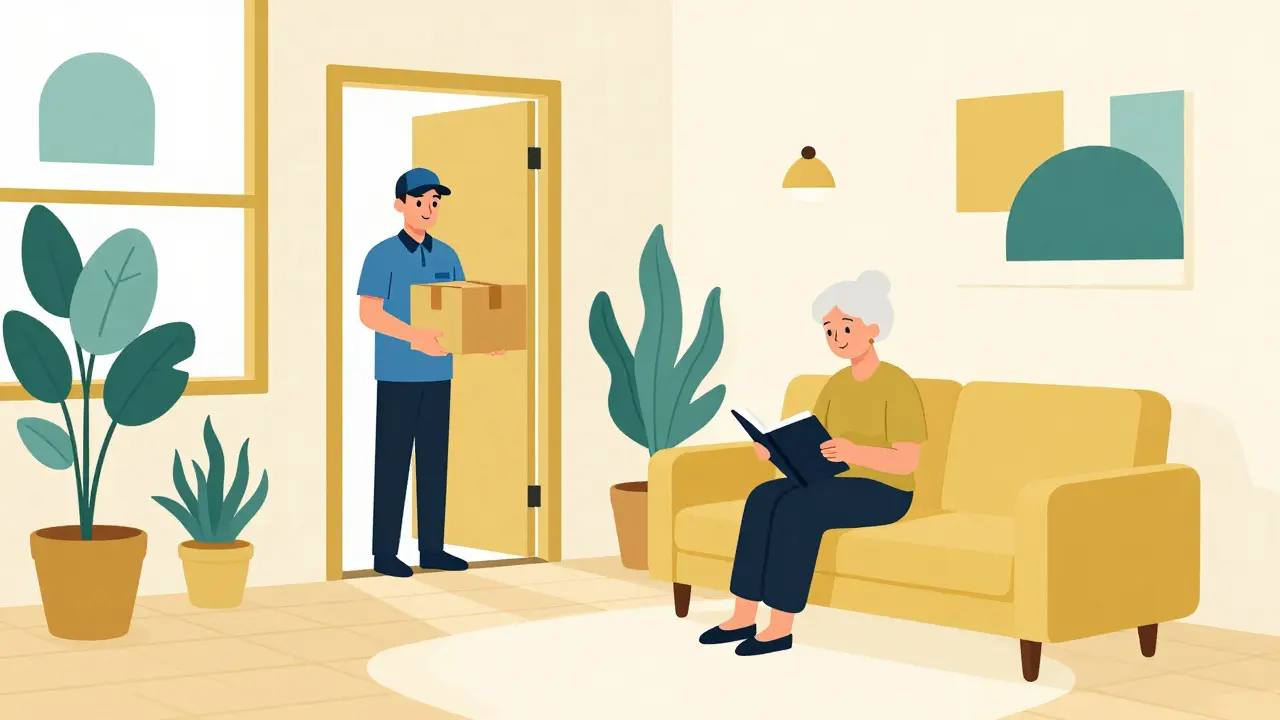
Stop Worrying About Running Out of Pills
Running out of daily medication is a stressful feeling. You're sitting on your couch, realizing you missed your morning dose, and now you have to find a car, wait in line at the pharmacy, and hope they still have stock. It happens to millions of people, but it doesn't have to be your story anymore. Mail-Order Pharmacy is a healthcare distribution model where prescription medications are dispensed by licensed pharmacies and delivered directly to patients' homes. This system eliminates the need for in-person visits and has evolved into a critical tool for managing long-term health.
With the rise of digital healthcare, accessing medicine is getting easier than ever. You might wonder if this service is right for you or if it covers the drugs you take regularly. The good news is that services like Patient Direct PharmacyPDPharmacies and others handle a massive portion of chronic care needs. Today, we will break down exactly how to use these services to save time, money, and energy.
Understanding the Mail-Order System
Before you start ordering, it helps to know what is actually behind the scenes. Unlike the corner drugstore where you chat with the pharmacist over the counter, Mail-Service Pharmacies operate like high-tech fulfillment centers. They use robotic dispensing systems and computer-controlled quality processes. Why does this matter? Because accuracy is higher. Research from the Professional Community Managers Association (PCMA) shows these facilities achieve 23 times greater dispensing accuracy compared to standard retail pharmacies.
This technology isn't just about speed; it's about safety. When you place an order, your prescription is verified through secure channels. Most major providers maintain strict security protocols for patient data protection. This matters because you are sharing sensitive health details online. These systems require either a valid prescription from a licensed provider, connection to a covering insurance plan, or the ability to pay cash prices directly.
The Hidden Power of Medication Adherence
You might think taking your meds is simple, but the numbers tell a different story. One of the biggest benefits of switching to home delivery is Medication Adherencethe extent to which a patient correctly follows medical advice. Data from Blue Cross NC claims reveals a stark reality: patients receiving 90-day prescriptions through mail order show an 82% adherence rate. Compare that to the 52% adherence rate seen when people fill 30-day supplies at retail pharmacies.
Why the difference? When you get a three-month supply, you aren't thinking about refills every month. You aren't worrying about driving in rainstorms or finding parking on a Saturday morning. This consistency leads to better health outcomes. Dr. Sarah Thompson, Chief Pharmacy Officer at PCMA, notes that better adherence avoids acute care episodes. In simple terms: staying on track keeps you out of the hospital.
Is It Cheaper to Order Online?
Cost is a major factor for most families. When you switch to mail-order, you often switch to a bulk model. Instead of paying for three small boxes, you pay for one large box. Most services dispense 90-day supplies of medications, which typically cost 25-35% less than three separate 30-day refills according to Patient Direct Pharmacy data. Furthermore, mail-order pharmacies achieve 4-7 percentage points better discount rates on brand drugs compared to retail pharmacies.
Think about the math. If you take heart medication daily, potential savings can range from $150 to $300 annually. Many insurance plans also incentivize this. For example, some plans charge the equivalent of two copays for a 90-day supply rather than three copays for monthly refills. It's a win-win for your wallet and your health management.
Step-by-Step: How to Get Started
Getting set up is straightforward, but there are a few hoops to jump through initially. Here is the process most successful users follow:
- Check Your Insurance Coverage. Not all health plans cover mail-order the same way. Confirm if it is included at no additional cost. Most major plans include it, but always verify with your benefits administrator.
- Transfer Your Prescriptions. You cannot just buy meds without authorization. Your doctor's office or your old pharmacy needs to send the script to the new facility. This transfer typically takes 3-5 business days.
- Create an Account. Visit the service portal online. Most offer 24/7 availability through web portals or telephone support. Ensure you have your health ID and card details ready.
- Place Your Initial Order. Select the quantity (usually 90 days). Be mindful of shipping times.
Once set up, refills become automatic. Many systems notify you before you run out. However, you still need to monitor your supply.
Who Is This Service Best For?
While mail-order seems perfect for everyone, it works best for specific situations. It excels for stable chronic conditions where medication regimens are established. Common examples include diabetes management, hypertension control, and high cholesterol treatment. Patients who struggle with mobility issues also benefit immensely. As one Reddit user shared regarding mobility challenges from MS, mail-order has been life-changing because they get their disease-modifying drugs delivered without struggling to travel.
However, this method is not ideal for everything. You cannot mail controlled substances like opiates due to legal restrictions. Also, if you suddenly catch an infection, you need antibiotics immediately. GoodRx physician surveys indicate 87% of doctors recommend retail pharmacy pickup for acute infections. Mail-order simply takes too long for urgent needs.
Comparing Mail-Order vs. Traditional Retail
To make the best decision, you need to compare the trade-offs. Here is how the two models stack up against each other based on industry standards.
| Feature | Mail-Order Pharmacy | Retail Pharmacy |
|---|---|---|
| Supply Duration | 90 Days | 30 Days |
| Cost Savings | 25-35% Lower | Standard Pricing |
| Delivery Time | 3-5 Business Days (Expedited available) | Instant Pickup (Same Day) |
| Best For | Chronic Conditions | Acute Issues / New Prescriptions |
| Counseling | Phone/Video Support | In-Person Consultation |
As you can see, mail-order wins on cost and convenience for maintenance, while retail wins on speed and immediate access. A hybrid approach often works best for many households.
Pitfalls to Watch Out For
No system is perfect. There are some common headaches you should prepare for before signing up.
- Shipping Delays. Standard delivery typically takes 3-5 business days. Sometimes packages take longer. Always order refills at least 10 days before running out. Don't wait until you are empty-handed.
- Lost Packages. Occasional issues with medications being lost or damaged in transit affect approximately 1.2% of shipments. Track your package number once received.
- Temperature Sensitivity. Some meds, like insulin, need cool conditions. Temperature-sensitive medications are shipped in specialized packaging with cooling elements to maintain proper storage conditions throughout transit. Inspect your box upon arrival to ensure integrity seals are intact.
- Urgent Changes. Difficulties managing urgent prescription changes happen in about 5.7% of user reviews. If your dose needs changing mid-cycle, have a backup relationship with a local store.
Future Trends and New Tech
The landscape is shifting fast. We are seeing innovation in monitoring and delivery. AI-powered adherence monitoring systems now predict potential gaps in therapy, helping insurers reduce medication lapses. Additionally, integration with telehealth services means you might consult a doctor online and have the prescription sent straight to your door. By 2026, we expect to see even tighter integration between wearable health devices and medication reminders to keep you compliant automatically.
Frequently Asked Questions
Can I order any medication via mail?
No. Controlled substances like opioids and certain specialty drugs requiring special handling cannot be mailed. The service is best for maintenance medications like blood pressure or cholesterol drugs.
Does my insurance cover shipping fees?
Most health insurance plans include shipping coverage at no additional cost for eligible members, but it is always wise to confirm this detail during your plan enrollment or verification.
How long does it take to receive my first order?
Processing takes about 3-5 business days after the prescription is transferred. Standard delivery then adds another 3-5 days. Expedited options may offer next-day delivery for urgent needs.
What happens if I move to a new address?
You must update your profile online immediately. Missing deliveries due to wrong addresses are common complaints. Update details at least two weeks before moving to avoid delays.
Can I still talk to a pharmacist?
Yes. Most major services offer 24/7 pharmacist access for counseling. You may not walk in, but you can call or video chat to discuss side effects or interactions.
