
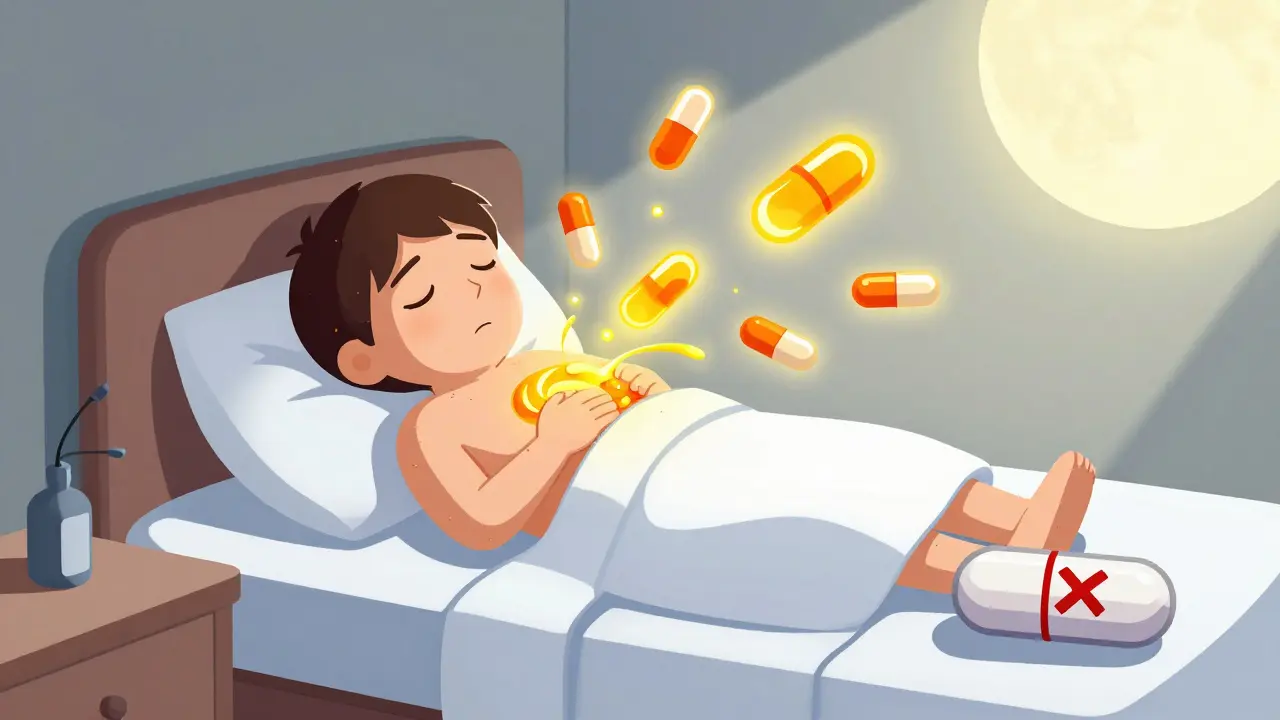
Itching that won’t quit-especially when there’s no rash, no bug bites, and no obvious cause-can be one of the most frustrating symptoms of liver disease. For people with cholestasis, where bile doesn’t flow properly, this intense, often nighttime itch isn’t just annoying. It can ruin sleep, wreck concentration, and make daily life unbearable. And the worst part? Standard antihistamines won’t help. Not because they’re weak, but because the itch isn’t caused by histamine at all.
Why Your Liver Makes You Itch
Cholestasis happens when bile, the fluid your liver makes to digest fats, gets backed up. This can come from blocked ducts, autoimmune diseases like primary biliary cholangitis (PBC), or even pregnancy. When bile builds up, certain substances leak into the bloodstream. For years, doctors thought it was just bile acids causing the itch. Now we know it’s more complex. Researchers have identified at least four key players: bile acids, endogenous opioids, serotonin, and lysophosphatidic acid (LPA). The LPA pathway, triggered by an enzyme called autotaxin, is now seen as the most important driver in severe cases.That’s why antihistamines, which work on allergic reactions, are useless here. A 2022 AASLD review found that 68% of primary care doctors still prescribe them first-despite zero solid evidence they work for cholestatic pruritus. Patients end up frustrated, thinking they’re not trying hard enough. But it’s not their fault. It’s the system.
First-Line Treatment: Bile Acid Resins
The oldest, cheapest, and still most commonly used treatment is cholestyramine (brand name Questran). It’s not a drug in the traditional sense-it’s a resin, like a sponge that soaks up bile acids in your gut. When it binds them, your body can’t reabsorb them. Instead, they get flushed out in stool, lowering the amount circulating in your blood and reducing the itch.The standard dose starts at 4 grams once a day, then slowly goes up to 16-24 grams daily, split into two or three doses. Many patients see improvement within a week. Studies show it reduces itching by 50-70% in those who respond. But here’s the catch: most people can’t stick with it.
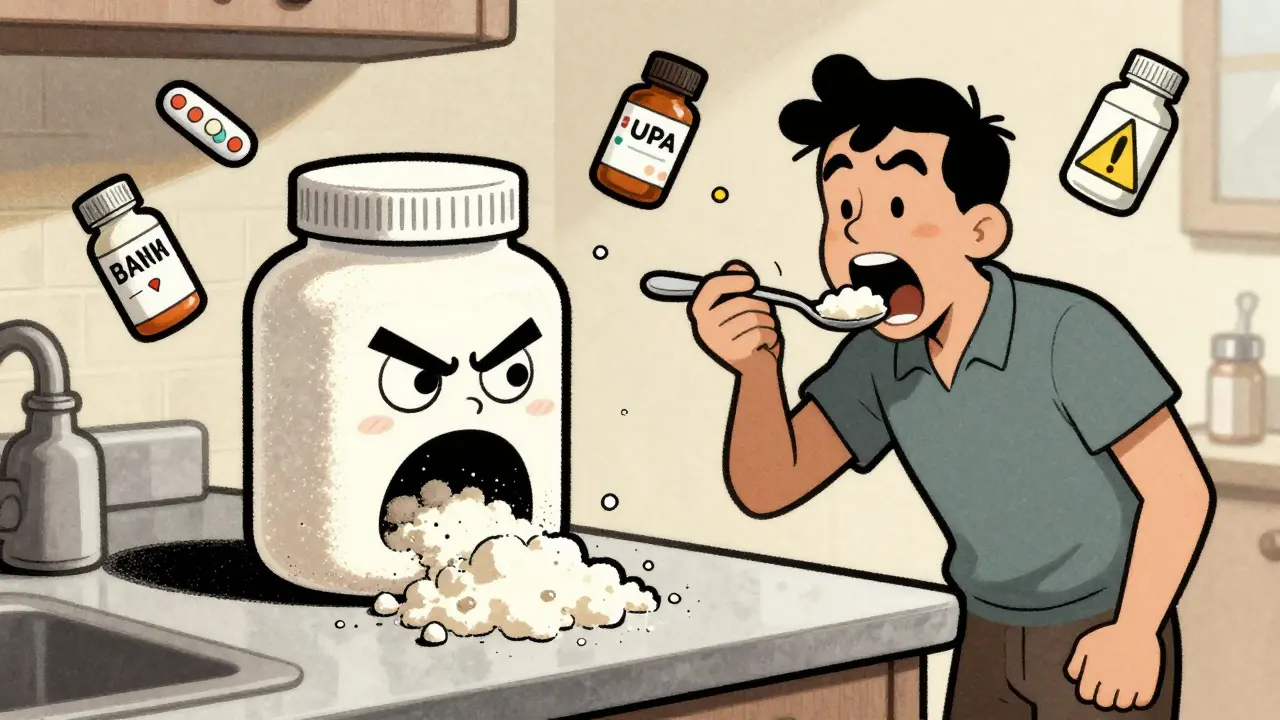
Cholestyramine has a gritty, chalky texture. It mixes poorly with water and tastes like wet sand. A 2020 survey in Liver International found 78% of patients hated the taste. One Reddit user wrote: "I mixed it with apple juice and still gagged every time." Another patient on HealthUnlocked said: "I quit after three weeks. It felt like swallowing plaster."
Even worse, it binds to other medications-antibiotics, thyroid pills, birth control, even vitamins. That means you have to take it at least one hour before or four to six hours after anything else. For people already juggling multiple prescriptions, this is a dealbreaker.
Second-Line: Rifampin and the Orange Urine Trade-Off
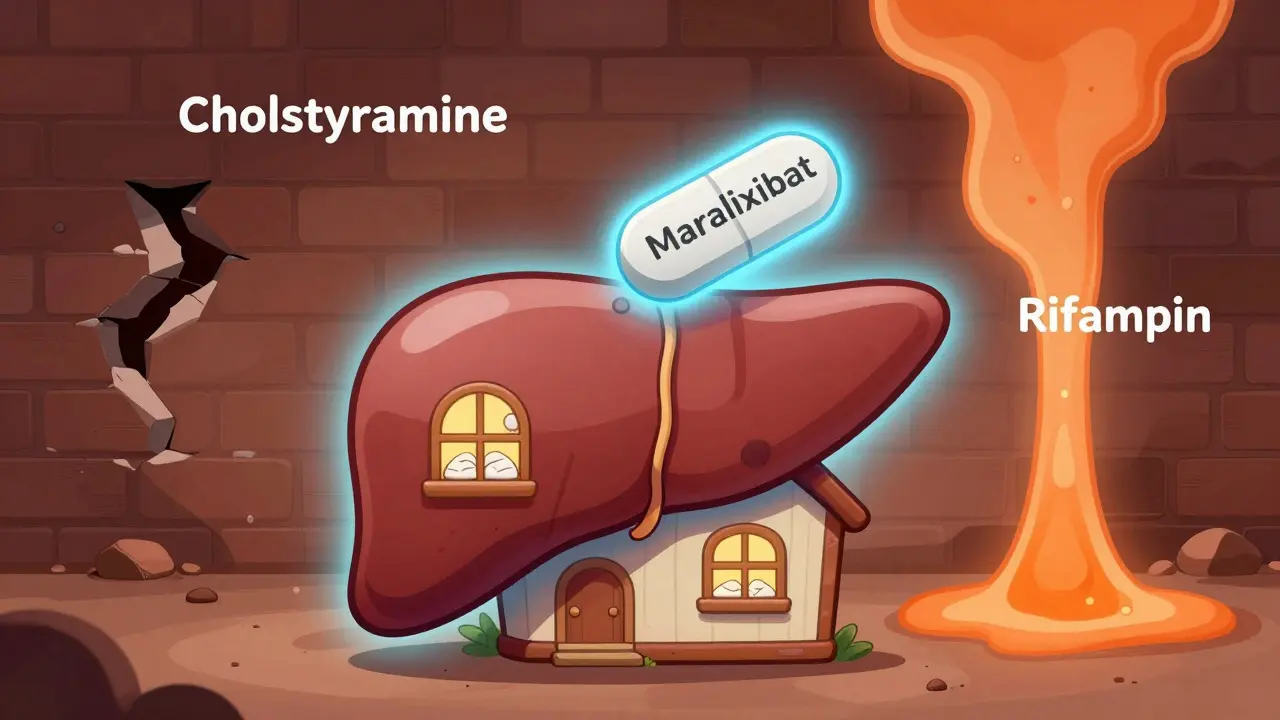
When cholestyramine fails, doctors turn to rifampin (Rifadin). It’s an antibiotic, but for itching, it’s used for a totally different reason: it boosts liver enzymes that help clear pruritogenic substances from the blood. It’s not fully understood how, but the result is clear: 70-80% of PBC patients see major relief within two to four weeks.But there’s a side effect you can’t ignore: your urine turns orange. So do your tears, sweat, and sometimes even your contact lenses. It’s harmless, but startling. One patient said: "I thought I was bleeding internally until my doctor laughed and said, ‘That’s the rifampin.’"
Another risk? Liver stress. Rifampin can raise liver enzymes in 15-20% of users, which sounds scary when you already have liver disease. That’s why doctors monitor blood work closely. It’s also a strong inducer of cytochrome P450 enzymes, meaning it can interfere with over 50 other drugs-including blood thinners, antidepressants, and birth control. That makes it risky for patients on complex regimens.
Still, for many, it’s worth it. A 2021 meta-analysis found rifampin worked as well as naltrexone and better than sertraline in PBC patients. Its discontinuation rate is only 10-15%, mostly due to flu-like symptoms or the orange urine.
Third-Line: Naltrexone and the Opioid Paradox
Naltrexone is an opioid blocker. You might know it from treating opioid addiction. But in cholestasis, it works because the body makes its own natural opioids-endogenous opioids-that get overproduced when bile backs up. These bind to receptors in the spinal cord and brain, triggering the itch signal. Naltrexone blocks them.It’s dosed low at first: 6.25 mg daily, then slowly increased by 6.25 mg each week up to 50 mg. Response rates are around 50-65%. But the start-up phase is rough. About 30% of patients report nausea, anxiety, dizziness, or even withdrawal-like symptoms-even if they’ve never used opioids. One focus group participant said: "The first three days felt like I was detoxing from heroin. I couldn’t get out of bed."
That’s why slow titration is non-negotiable. Jumping straight to 50 mg can backfire. But if you can get through the first week, many find relief lasts. It’s also safe for the liver, doesn’t interact with most meds, and doesn’t change your urine color. For patients who can tolerate it, it’s a solid option.
The New Hope: Maralixibat and IBAT Inhibitors
The biggest shift in the last five years isn’t a tweak to old drugs-it’s a whole new class: ileal bile acid transporter (IBAT) inhibitors. Maralixibat (brand name Mytesi) was approved by the FDA in September 2021 for Alagille syndrome, a rare genetic liver disease that causes severe itching in children and adults.How it works: It blocks bile acids from being reabsorbed in the last part of the small intestine. Less bile acid returns to the liver, less leaks into the blood, less itch. In the phase 3 MARCH trial, it reduced itching by 47% on a visual scale-nearly matching cholestyramine’s effectiveness. But here’s the game-changer: only 12% of patients stopped taking it due to side effects, compared to 35% for cholestyramine.
It’s a once-daily pill. No gritty powder. No timing issues with other meds. No orange urine. Cleveland Clinic’s 2023 survey found 82% of patients kept taking maralixibat after six months. That’s unheard of in cholestasis treatment.
But there’s a catch: cost. Maralixibat runs about $12,500 a month. Cholestyramine? $65. Insurance coverage is spotty, and many patients can’t access it without appeals or financial aid programs. Still, for those who can get it, it’s life-changing. One adult with PBC wrote: "I haven’t scratched in my sleep in 18 months. I actually feel human again."
Other Emerging Options
Sertraline (Zoloft), an SSRI antidepressant, is used off-label for cholestatic pruritus. It works in about 40-50% of PBC patients, possibly by modulating serotonin pathways in the brain. It’s helpful if the patient also has depression or anxiety-but doesn’t work well in non-PBC cholestasis.Other drugs in the pipeline are even more exciting. Volixibat, another IBAT inhibitor, showed 52% itch reduction in a 2023 trial. GLP-1 agonists like semaglutide (Ozempic), originally for diabetes, are surprising doctors by reducing itching in diabetic PBC patients. And the most promising? Antisense oligonucleotides like IONIS-AT332-LRx, which directly target the autotaxin enzyme. In a 2023 phase 2 trial, it cut serum autotaxin by 65% and itching by 58%.
When All Else Fails: Transplant
For the 10-15% of patients whose itching doesn’t respond to any medical therapy, liver transplant is the only definitive solution. Post-transplant, 95% of patients report complete resolution of pruritus. The itch doesn’t just fade-it vanishes. But transplant is major surgery with lifelong risks and restrictions. It’s reserved for those with advanced liver disease, not just severe itching.What You Can Do Today
If you’re dealing with unexplained, persistent itching and have liver disease:- Stop antihistamines. They won’t help. Ask your doctor why you’re taking them.
- Try cholestyramine properly. Start low, go slow. Mix it with apple sauce or strong-flavored juice. Take it 1 hour before or 4-6 hours after other meds.
- Track your itch. Use a 1-10 scale daily. Note when it’s worst, what helps, what makes it worse.
- Use cool compresses and fragrance-free moisturizers. These won’t fix the cause, but they can soothe the skin.
- Ask about rifampin or naltrexone. If cholestyramine fails after 4 weeks, these are your next steps.
- Ask about maralixibat. Even if you don’t have Alagille syndrome, off-label use is becoming more common. Talk to a hepatologist.
What’s Next for Cholestatic Itch?
The future isn’t about stronger antihistamines or more pills. It’s about precision. We’re moving from treating symptoms to blocking the exact pathways that cause the itch. Within five years, autotaxin inhibitors and other targeted therapies will likely replace bile acid resins as first-line. The goal isn’t just to reduce itching-it’s to restore quality of life without side effects, without orange urine, without chalky powder.But access remains a huge barrier. Cost, insurance, and specialist shortages mean many patients still suffer because the right treatment isn’t available-or they’re never told it exists. If you’re struggling, don’t accept "that’s just how it is." Ask for a referral to a liver specialist. Bring this article. Push for options. Your itch isn’t normal. And it doesn’t have to be permanent.
Why don’t antihistamines work for liver-related itching?
Antihistamines block histamine, a chemical released in allergic reactions. But cholestatic pruritus isn’t caused by histamine-it’s triggered by bile acids, opioids, and lysophosphatidic acid (LPA) building up in the blood due to impaired bile flow. Studies show antihistamines have no measurable effect on this type of itch, yet they’re still prescribed by 68% of primary care doctors due to outdated assumptions.
Can cholestyramine damage my liver?
No, cholestyramine doesn’t harm the liver. It works in the intestines, binding bile acids so they’re excreted in stool. It doesn’t enter the bloodstream in significant amounts. The main risks are gastrointestinal side effects like constipation, bloating, and nausea-not liver damage. However, it can interfere with the absorption of other medications, including liver-protective drugs like ursodiol, so timing is critical.
Is maralixibat available for primary biliary cholangitis (PBC)?
Maralixibat is FDA-approved specifically for Alagille syndrome, not PBC. But many hepatologists prescribe it off-label for severe cholestatic pruritus in PBC patients who haven’t responded to first- and second-line treatments. Clinical trials show it’s effective across multiple cholestatic conditions. Insurance coverage may require prior authorization, but patient assistance programs are available through the manufacturer.
How long does it take for rifampin to work?
Most patients notice improvement in itching within 1-2 weeks of starting rifampin, with maximum effect by 4 weeks. The itch doesn’t disappear overnight-it gradually fades. If there’s no change after 4 weeks at a full dose (300 mg daily), it’s unlikely to help. Your doctor will monitor liver enzymes during treatment to ensure safety.
What should I do if I can’t afford new treatments like maralixibat?
Start with cholestyramine and rifampin-they’re affordable and effective for many. If those fail, ask your hepatologist about patient assistance programs for maralixibat or volixibat; the manufacturers offer co-pay support and free drug programs for eligible patients. Also, check with nonprofit liver foundations like the PBC Foundation-they often have resources or connections to financial aid. Never stop treatment because of cost-there are options.

Cassie Tynan
January 4, 2026 AT 17:55So we’re telling people to swallow chalky sand just so they can avoid orange urine? The system is designed to make you suffer before you get relief. I’ve seen patients quit because the treatment felt like punishment, not medicine. We need better options - not more bandaids on a broken pipe.
Rory Corrigan
January 5, 2026 AT 11:06maralixibat sounds like magic but at $12.5k/month? 😅
Meanwhile, I’m over here mixing cholestyramine with peanut butter like it’s a survival challenge. At least the orange urine is a free glow-up. #LiverLife
Ashley Viñas
January 5, 2026 AT 21:53It’s hilarious how primary care doctors still prescribe antihistamines like they’re treating a mosquito bite. This isn’t allergy season - it’s bile acid warfare. If your doctor doesn’t know the difference between histamine and LPA, they shouldn’t be managing your liver disease. Please, for the love of science, see a hepatologist. You deserve better than outdated textbooks.
Stephen Craig
January 7, 2026 AT 05:14Cholestyramine works. It’s just ugly. Like taking a hammer to a watch to fix the time. The science is solid - the delivery is not. We need elegant solutions, not brute-force sponges.
Connor Hale
January 7, 2026 AT 15:48It’s wild how much of this comes down to access. The most effective treatment costs more than a car. Meanwhile, the cheapest one tastes like regret. We’re treating a medical condition like it’s a luxury item. Something’s deeply wrong with that.
Roshan Aryal
January 8, 2026 AT 21:39Oh wow, Americans with their $12,500 pills while in India we use turmeric, neem, and spiritual chanting. You people have money but no wisdom. Why not just drink warm water and pray? No drug can fix what your soul refuses to heal. This is capitalism turning suffering into a premium subscription.
Charlotte N
January 9, 2026 AT 13:02i’ve been on cholestyramine for 6 months… i mix it with greek yogurt and a shot of espresso… somehow it works… but i still gag… and my husband says i smell like a pharmacy… also i forgot to take my thyroid med yesterday and now i’m tired… i think i’m dying… or maybe it’s the resin…
Catherine HARDY
January 10, 2026 AT 16:15Did you know the FDA approved maralixibat because Big Pharma paid off regulators? The orange urine from rifampin? That’s a tracking dye. They’re monitoring you. And cholestyramine? It’s laced with microchips to collect your bile data. The liver itch is real - but the cure is a surveillance tool. Wake up.
bob bob
January 10, 2026 AT 18:53Man, I wish I’d known all this 3 years ago. I suffered through months of antihistamines thinking I was weak. Then my sister, who’s a nurse, told me to ask about rifampin. Two weeks later, I slept through the night for the first time in years. Don’t give up. Ask. Push. You’re not crazy - the system is just broken.
Uzoamaka Nwankpa
January 12, 2026 AT 04:42I’ve been itching for 14 months. No one believes me. My doctor said "it’s stress." My mom said "pray more." My husband says I’m being dramatic. I’ve scratched my arms raw. I cry every night. I don’t even have insurance anymore. I just want to sleep. Is this how it ends?
Chris Cantey
January 13, 2026 AT 06:52Autotaxin inhibitors are the future. But we’re still stuck in the Stone Age of medicine. We treat symptoms like they’re the enemy, not signals. The liver isn’t broken - it’s trying to tell us something. We’re poisoning the messenger and calling it progress.
Abhishek Mondal
January 14, 2026 AT 21:36Maralixibat? Please. This is just another overpriced placebo dressed in biotech jargon. Autotaxin? LPA? These are buzzwords invented to justify billion-dollar patents. In 20 years, we’ll look back and laugh - we spent trillions on molecules while ignoring diet, circadian rhythm, and gut microbiome. You think a pill fixes bile flow? You think a pill fixes your life? Wake up. You’re being sold snake oil with a clinical trial number.
Jack Wernet
January 14, 2026 AT 22:24Thank you for writing this with such clarity and compassion. For those of us who live with this daily - the sleepless nights, the social isolation, the dismissal from doctors - this is more than medical information. It’s validation. I will share this with my support group. We are not alone. And we deserve better.