
Active Ingredients: What They Are and Why They Matter in Every Medication
When you take a pill, the active ingredient, the specific chemical compound responsible for a drug’s therapeutic effect. Also known as pharmacological agent, it’s the only part of the medicine that actually does the work—whether it’s lowering blood pressure, killing bacteria, or easing allergy symptoms. Everything else—the color, the shape, the filler, the coating—is just there to make it easier to swallow or store. The active ingredient is what your body reacts to. That’s why two pills can look totally different but work the same way: if they contain the same active ingredient at the same dose, they’re medically equivalent.
This is why generic drugs, medications that contain the same active ingredient as brand-name versions but are sold under a different name. Also known as non-brand drugs, they are safe and effective. The FDA doesn’t just approve them because they’re cheaper—it requires proof that the active ingredient behaves the same way in your body. That’s what bioequivalence studies, tests that compare how quickly and completely a drug is absorbed into the bloodstream. Also known as pharmacokinetic studies, they are for. If a generic version doesn’t match the brand in absorption rate and total exposure, it gets rejected. This isn’t guesswork—it’s science. And it’s why you can trust a generic ibuprofen to work just like Advil.
But here’s the catch: not all active ingredients are created equal in how they’re used. Some, like anticoagulants, drugs that prevent blood clots by targeting specific proteins in the clotting cascade. Also known as blood thinners, they, need careful dosing because small changes can lead to serious bleeding or clots. Others, like antihistamines, compounds that block histamine receptors to reduce allergy symptoms. Also known as allergy medications, they, come in two main types—first-gen (drowsy) and second-gen (non-drowsy)—and the active ingredient tells you which one you’re getting. Even herbal supplements like Ginkgo Biloba, a plant extract used for memory and circulation, but known to interfere with blood thinners. Also known as ginkgo extract, it have active ingredients that can interact with prescription drugs. That’s why it’s not enough to just know the name of your medicine—you need to know what’s inside it.
Knowing your active ingredients helps you avoid dangerous combinations, spot duplicate meds, and understand why your doctor switched your prescription. It’s the key to cutting through the noise of brand names, marketing, and confusing labels. Whether you’re managing high blood pressure with lisinopril, treating diabetes with metformin, or taking a daily aspirin, the active ingredient is what matters most. And if you’re ever unsure what’s in your pill, just look at the label—it’s always listed. No tricks. No hidden codes. Just science.
Below, you’ll find real-world guides on how active ingredients affect your treatment, what to watch out for, and how to make smarter choices with your meds—without needing a pharmacy degree.
Active vs Inactive Drug Ingredients: Why the Difference Matters for Your Health
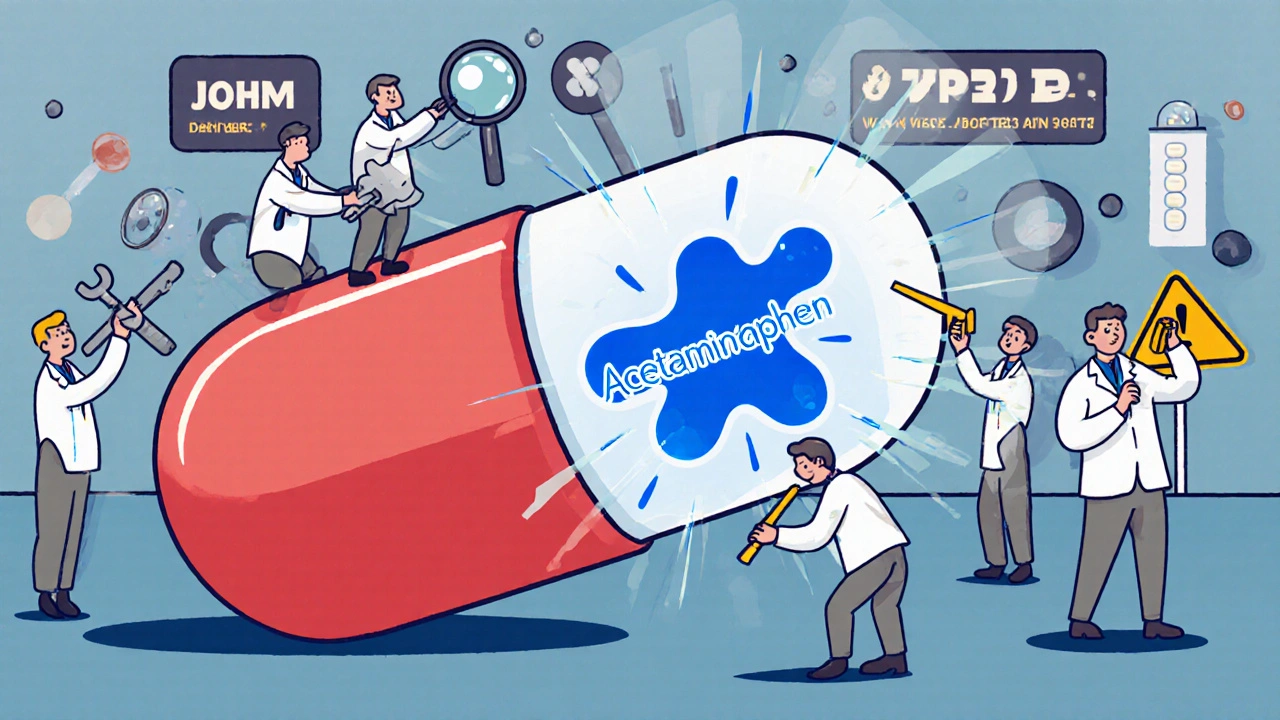
Active ingredients treat your condition, but inactive ingredients can cause side effects, trigger allergies, or even affect how well your medicine works. Know what’s really in your pills.
- November 28 2025
- Tony Newman
- 15 Comments