
Anticoagulants: What They Are, How They Work, and What You Need to Know
When your blood clots too easily, it can lead to strokes, heart attacks, or deadly pulmonary embolisms. That’s where anticoagulants, medications that slow down the blood’s clotting process to prevent dangerous blockages. Also known as blood thinners, they don’t actually thin your blood—they change how it clots. These drugs are lifesavers for people with atrial fibrillation, deep vein thrombosis, or artificial heart valves. But they’re not harmless. Even small mistakes—like skipping a dose, mixing them with certain herbs, or taking them with other meds—can turn them from protectors into dangers.
One big reason anticoagulants are tricky is how often they’re used alongside other drugs. People on warfarin, a common anticoagulant that requires regular blood tests to monitor might also be taking aspirin, beta blockers like bisoprolol, or even herbal supplements like Ginkgo Biloba. That’s where things get risky. Ginkgo, for example, can boost bleeding risk when mixed with warfarin or clopidogrel. And it’s not just herbs—some diabetes drugs like DPP-4 inhibitors can interact in unexpected ways. Even something as simple as a change in diet or starting a new supplement can throw off your balance. That’s why so many posts here focus on polypharmacy, the use of multiple medications at once, which increases side effects and interactions, especially in older adults.
It’s not just about taking the pill. It’s about knowing when to question it. Many people stay on anticoagulants long after they’re needed because no one ever talked about deprescribing, the careful process of stopping or reducing medications that may no longer be helpful. If you’re on more than three drugs, especially if you’re over 65, it’s worth asking your doctor: Is this still necessary? Could it be causing more harm than good? That’s exactly what the posts here cover—real stories, real risks, and real ways to stay safe without jumping off your meds cold turkey.
You’ll find guides on how to spot if your symptoms are from the disease—or the drug. You’ll see how kidney health affects dosing, why some seniors should avoid certain anticoagulants like ticlopidine, and how the FDA is trying to make medication info clearer. There’s advice on managing side effects like dizziness or fatigue, how to avoid dangerous combos with supplements, and what to do if you’re worried about bleeding. This isn’t theory. It’s what people actually deal with every day—trying to stay healthy without getting hurt by the very drugs meant to help them.
Epidural and Spinal Procedures on Anticoagulants: What You Need to Know About Hematoma Risks
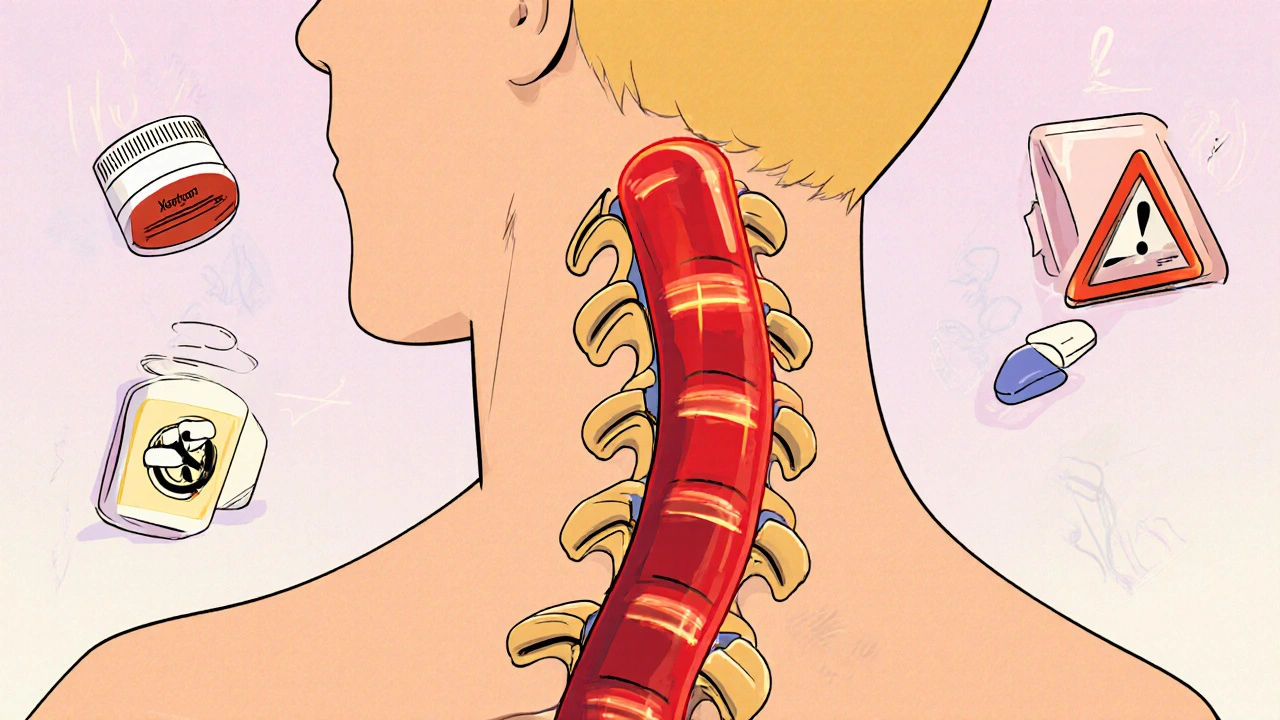
Spinal and epidural procedures on blood thinners carry a small but serious risk of hematoma. Learn the real risks, timing rules for warfarin, LMWH, and DOACs, and how to protect yourself from permanent nerve damage.
- November 10 2025
- Tony Newman
- 11 Comments