
Anticoagulation: What You Need to Know About Blood Thinners and Safety
When your blood is too likely to clot, anticoagulation, the medical process of reducing blood clotting to prevent strokes, heart attacks, or dangerous blockages. Also known as blood thinning, it’s not about making blood watery—it’s about carefully balancing risk so clots don’t form where they shouldn’t. People on anticoagulants include those with atrial fibrillation, deep vein thrombosis, artificial heart valves, or a history of pulmonary embolism. These drugs—like warfarin, apixaban, or rivaroxaban—keep clots from forming in the bloodstream, but they don’t make you immune to injury. A simple fall or bump can turn serious if your blood can’t clot normally.
That’s why anticoagulants, medications that slow down the blood’s ability to form clots. Also known as blood thinners, they require constant awareness. Take ginkgo biloba? It can boost bleeding risk when mixed with these drugs. Need an epidural or spinal tap? Timing matters—waiting too little or too much after your last dose can lead to a hematoma that damages nerves. Even common pain relievers like aspirin or ibuprofen can turn a minor cut into a major problem. And it’s not just pills—some herbal supplements, over-the-counter remedies, and even certain foods like leafy greens (if you’re on warfarin) can throw your levels off balance.
One of the biggest misunderstandings? Thinking that if you feel fine, you’re safe. But anticoagulation is invisible. You won’t feel the clot forming—or the bleed starting inside your spine or brain. That’s why tracking your medication schedule, knowing your warning signs (like sudden back pain, numbness, or unexplained bruising), and communicating with your doctor before any procedure isn’t optional. It’s life-saving. Whether you’re on a daily pill, an injection, or just starting out, the goal isn’t to eliminate risk—it’s to manage it with precision.
Below, you’ll find real-world advice from people who’ve lived with these drugs. From how to avoid bleeding during dental work to why some painkillers are off-limits, these posts cut through the noise. You’ll learn what the FDA says about drug interactions, how to prepare for spinal procedures safely, and what to do if you’re taking supplements that might be silently increasing your risk. No fluff. Just what you need to stay safe while staying healthy.
Clotting Disorders and Anticoagulation: Understanding INR, DOACs, and Safety
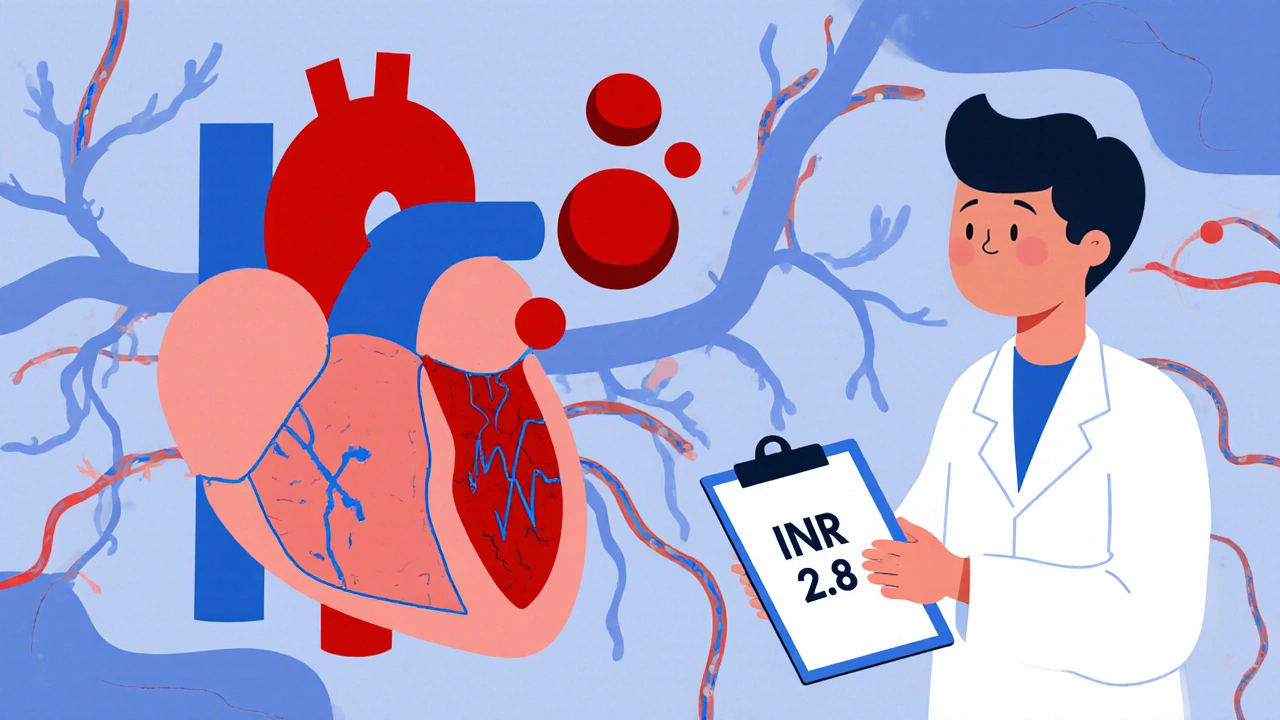
Learn how INR monitoring and DOACs work for clotting disorders, their safety profiles, cost differences, and who should use each type of blood thinner. Understand real-world risks, benefits, and the latest guidelines.
- November 24 2025
- Tony Newman
- 15 Comments