
Benzodiazepine and Opioid Risks: What You Need to Know
When you combine a benzodiazepine, a class of depressant drugs used for anxiety, insomnia, or seizures with a opioid, a painkiller that slows breathing by acting on the brain’s respiratory centers, you’re not just doubling down on sedation—you’re increasing the chance of stopping breathing altogether. This isn’t theoretical. The CDC found that over 30% of opioid overdose deaths also involved benzodiazepines. It’s one of the most dangerous combinations in modern medicine, and it happens more often than you think—because both are commonly prescribed, often by different doctors, and many people don’t realize the risk.
These drugs don’t just add up—they multiply. A benzodiazepine like alprazolam or diazepam calms your nervous system. An opioid like oxycodone or hydrocodone does the same, but more intensely. Together, they slow your heart rate and breathing far beyond what either would do alone. That’s why emergency rooms see patients who took one pill of each and ended up unconscious. It’s not about being a "drug abuser." It’s about someone with chronic pain and anxiety getting two prescriptions without anyone checking if they interact. Even if you’re taking them exactly as directed, the risk is still there. Older adults, people with lung disease, or anyone on multiple medications are especially vulnerable. And it’s not just prescription versions—some people mix them with alcohol or sleep aids, making it even worse.
There’s also the issue of polypharmacy, the use of multiple medications at once, often without proper oversight. If you’re on a beta blocker for blood pressure, a statin for cholesterol, and a sleep aid for insomnia, adding a benzodiazepine and an opioid? That’s a recipe for overload. Your liver can’t keep up. Your brain gets confused. Side effects like dizziness, confusion, and falls become common—and those can lead to hospitalizations, not just discomfort. The good news? Many of these combinations can be avoided. Doctors now have guidelines to screen for this. You can ask: "Is this really necessary?" "Could one drug replace both?" "What happens if I stop one?" You don’t need to suffer in silence. There are alternatives for anxiety that don’t slow your breathing. There are non-opioid pain options that work just as well for many people.
What you’ll find below are real, practical posts that break down exactly how these drugs affect your body, how to spot danger signs before it’s too late, and what to do if you’re already on both. You’ll learn how to talk to your doctor without sounding alarmist, how to read your own prescription labels for hidden risks, and how other people have safely reduced or replaced these medications. This isn’t about fear. It’s about control. You deserve to feel better without putting your life at risk.
Red Flag Drug Combinations to Avoid for Safer Treatment
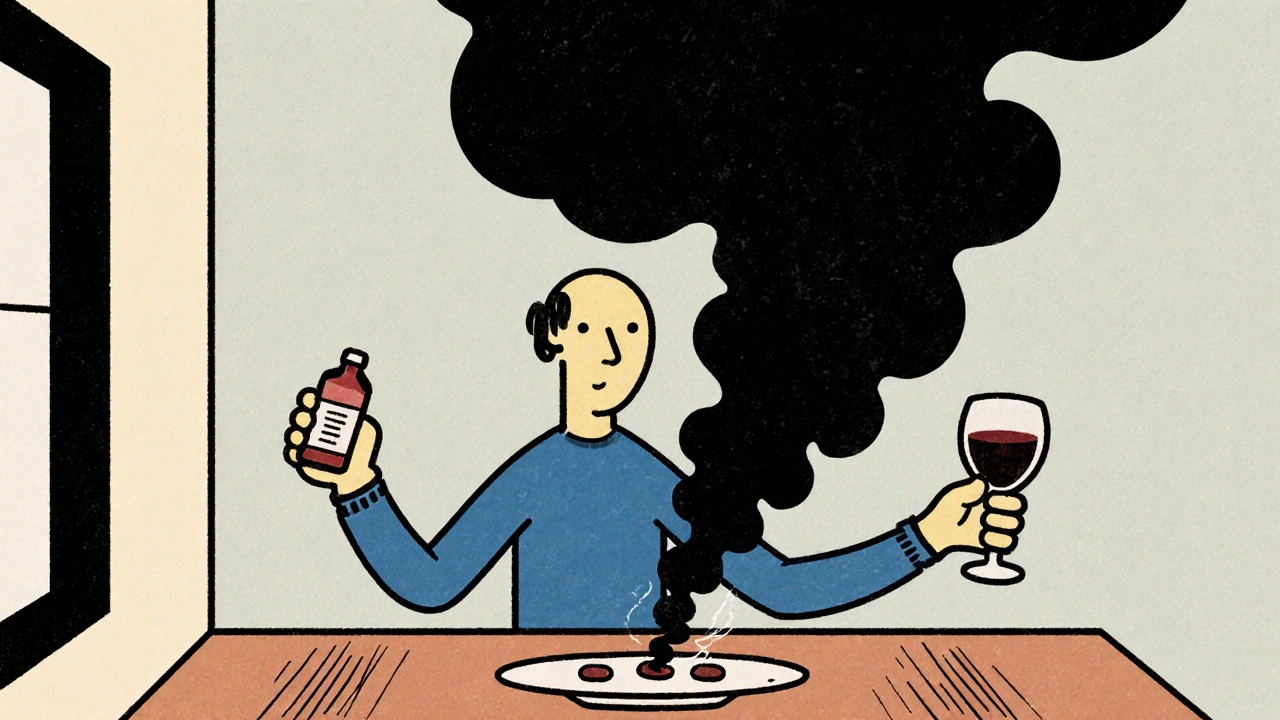
Certain drug combinations can be deadly, even when used as prescribed. Learn the most dangerous pairs - like opioids with alcohol or benzodiazepines - and how to protect yourself from hidden, life-threatening interactions.
- November 25 2025
- Tony Newman
- 16 Comments