
Biosimilars: What They Are, How They Work, and Why They Matter
When you hear biosimilars, highly similar versions of complex biologic drugs made after the original patent expires. Also known as biologic generics, they offer the same therapeutic effect as the original but at a fraction of the cost. Unlike regular generic pills, which are simple chemical copies, biosimilars are made from living cells—so they’re more complex, harder to replicate, and require strict testing to prove they work just like the original.
They’re not exact copies, but they’re close enough to be considered safe and effective by health agencies like the FDA and EMA. That’s why doctors now prescribe them for conditions like rheumatoid arthritis, Crohn’s disease, cancer, and diabetes—where biologics used to cost thousands per month. biologic drugs, medications made from living organisms, often used for chronic autoimmune and cancer conditions are the foundation here. Without them, biosimilars wouldn’t exist. And generic medicines, simpler, chemically identical versions of brand-name drugs? They’re the familiar, low-cost pills most people know. Biosimilars sit between them: more complex than generics, cheaper than biologics.
What’s the real impact? For patients on long-term treatment, switching to a biosimilar can cut monthly costs by 50% or more. For healthcare systems, it means more people can get life-changing treatments without draining budgets. But it’s not just about price. Many people worry biosimilars aren’t as safe. The truth? They go through the same rigorous testing as the original. Studies show no meaningful difference in side effects or effectiveness. That’s why major hospitals and insurers now prefer them.
Still, confusion lingers. Some think biosimilars are "inferior" or "experimental." They’re not. In Europe, they’ve been used for over 15 years. In the U.S., they’re growing fast—especially for drugs like Humira and Enbrel. If you’re on a biologic right now, ask your doctor: Is there a biosimilar option? Could it save you money without changing your results? The answer is often yes.
The posts below dive into the real-world side of this. You’ll find guides on how biosimilars fit into medication safety plans, how they compare to older treatments, and how lifestyle changes can support their effectiveness. There’s also coverage of drug interactions, patient rights, and how to navigate insurance coverage for these newer options. Whether you’re a patient, caregiver, or just trying to understand your prescriptions, this collection gives you the clear, practical facts—not the marketing fluff.
Planning for Patent Expiry: What Patients and Healthcare Systems Need to Do Now
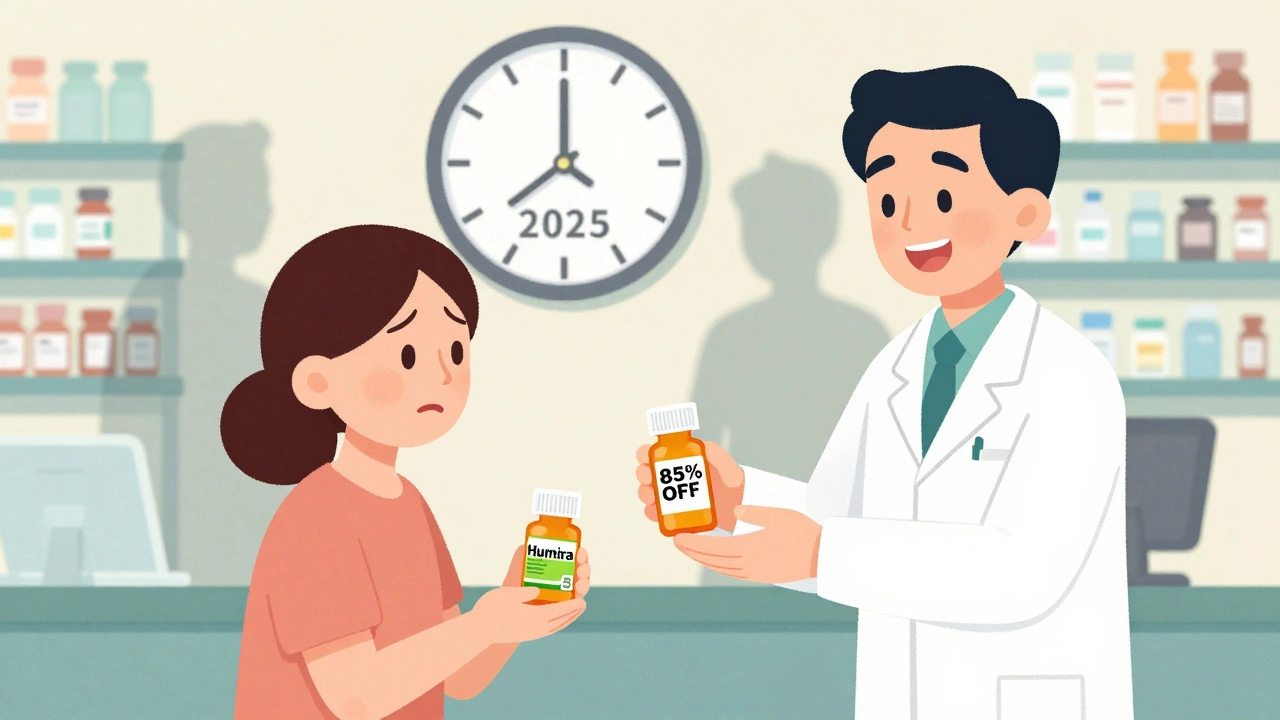
Patent expirations are triggering massive drug price drops-but most patients and health systems aren’t ready. Learn what you need to do now to avoid disruptions, save money, and stay safe.
- December 7 2025
- Tony Newman
- 9 Comments
Specialty Pharmacy: How Providers Dispense Generic Specialty Drugs
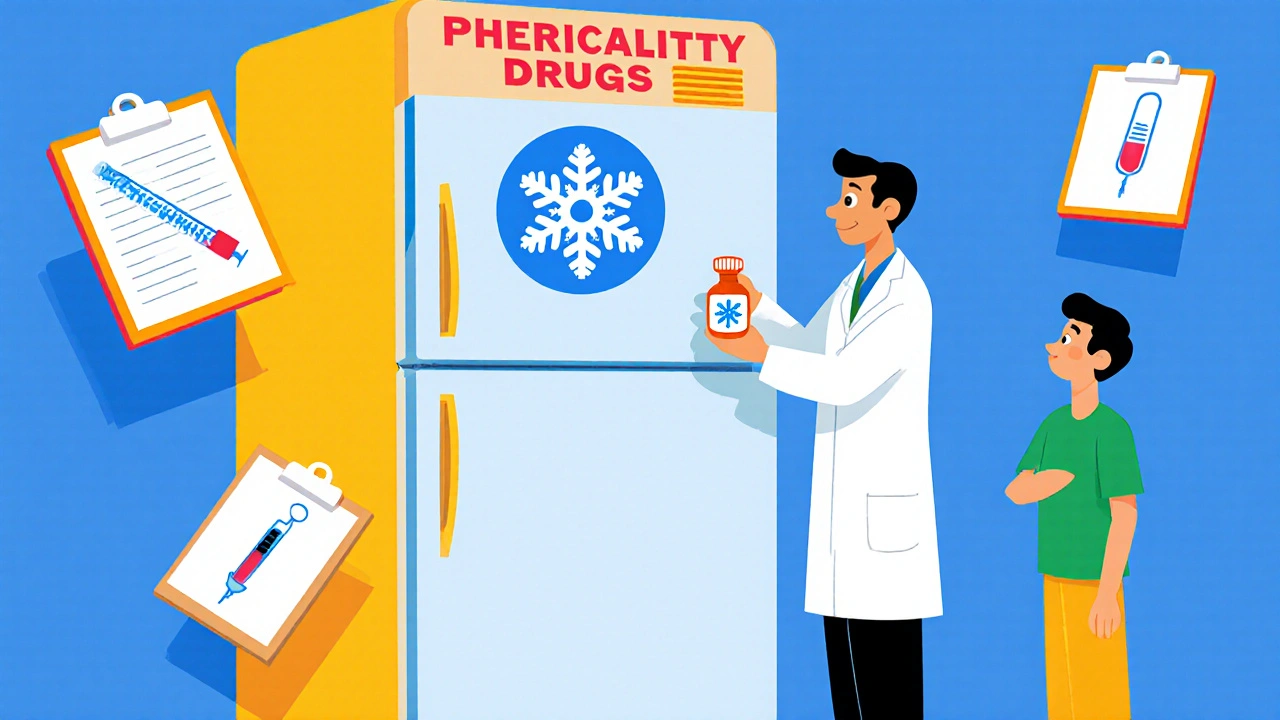
Specialty pharmacies dispense generic specialty drugs the same way as branded ones-not because of cost, but because of complexity. Learn how providers manage these drugs, why retail pharmacies can't fill them, and what patients should expect.
- November 17 2025
- Tony Newman
- 8 Comments