
Child Medication Errors: How to Prevent Mistakes and Keep Kids Safe
When it comes to giving medicine to children, even small mistakes can lead to serious harm. Child medication errors, incorrect doses, wrong drugs, or misread instructions given to kids. These aren’t just rare accidents—they happen more often than you think, and many are preventable. A child’s body reacts differently than an adult’s. Too much of a common painkiller like acetaminophen can cause liver failure. Too little of an antibiotic can let an infection spread. And mixing medicines without knowing how they interact? That’s how emergencies start.
Pediatric drug safety, the practice of ensuring medications are given correctly to children based on weight, age, and condition. It’s not just about the right pill—it’s about the right syringe, the right clock, and the right person double-checking. Parents and caregivers often rely on kitchen spoons instead of measuring cups, or guess doses based on how old a child looks. Dosing mistakes, the most common type of child medication error. are behind half of all pediatric drug-related ER visits. The FDA has warned that liquid medications with similar-looking bottles and confusing labels make this worse. Even a 10% overdose in a toddler can be deadly. And it’s not just parents—nurses, pharmacists, and even doctors can misread handwriting or misinterpret weight in pounds vs. kilograms.
Medication administration, the full process of giving a drug to a child, from storage to swallowing. It’s a chain. Break any link, and the child pays the price. Storing medicines where kids can reach them? That’s how a 2-year-old ends up with a bottle of high-blood-pressure pills. Forgetting a dose and then doubling up later? That’s how overdose happens. Giving a child an adult cough syrup because "it’s the same ingredient"? That’s how liver damage starts. And don’t forget: herbal supplements, vitamins, and over-the-counter cold mixes can interact with prescription drugs in ways no one warns you about.
You don’t need to be a doctor to prevent these errors. You just need to be careful. Keep a written list of every medicine your child takes—dose, time, reason. Use the measuring tool that comes with the bottle, not a spoon. Ask your pharmacist to explain the purpose of each drug. If something looks off—like a different color or shape—ask why. And never assume a medicine is safe just because it’s sold over the counter.
Below, you’ll find real cases, clear guides, and proven strategies from medical experts who’ve seen the damage these errors cause. From how to read a child’s prescription label to spotting dangerous drug combinations, these posts give you the tools to act—before it’s too late.
Pediatric Medication Safety: Special Considerations for Children
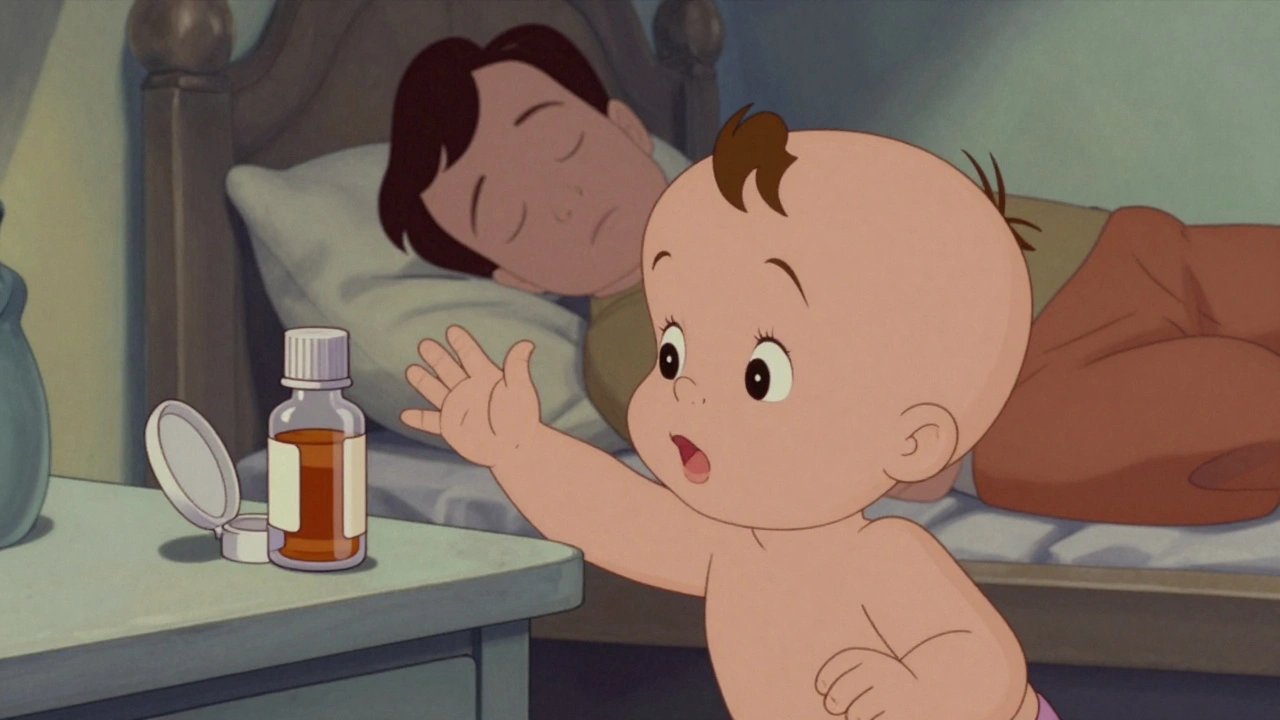
Pediatric medication safety requires special attention because children's bodies process drugs differently. Learn how to prevent dangerous dosing errors, store medicine safely, and avoid common mistakes that lead to poisoning.
- December 3 2025
- Tony Newman
- 13 Comments