
Chronic Kidney Disease Fluid Retention: Causes, Risks, and What You Can Do
When your kidneys can’t filter waste and extra fluid properly, chronic kidney disease fluid retention, the dangerous buildup of excess fluid in the body due to failing kidney function becomes a daily battle. This isn’t just puffy ankles or a bloated stomach—it’s fluid pushing into your lungs, straining your heart, and raising your blood pressure to dangerous levels. People with chronic kidney disease, a progressive loss of kidney function over time, often requiring diet changes, medication, or dialysis are especially vulnerable because their kidneys lose the ability to adjust fluid output based on what they eat or drink.
Fluid retention in chronic kidney disease, a progressive loss of kidney function over time, often requiring diet changes, medication, or dialysis doesn’t happen overnight. It’s the result of damaged nephrons—tiny filters in the kidneys—that can’t remove sodium and water like they should. As a result, fluid builds up in tissues, leading to swelling in the legs, feet, and hands. But the real danger lies deeper: fluid in the lungs causes shortness of breath, even at rest. Fluid around the heart makes it work harder, increasing the risk of heart failure. That’s why doctors track weight daily—sudden gains of 2 pounds or more in a day can mean trouble. It’s not about gaining fat—it’s about gaining fluid your body can’t get rid of.
Managing this isn’t just about cutting back on salt. While reducing sodium helps, it’s only part of the picture. dialysis fluid management, the controlled removal of excess fluid during dialysis sessions to prevent overload and complications is critical for those on treatment, but even then, fluid between sessions can sneak up. Diuretics like furosemide are often prescribed, but they don’t work for everyone, especially as kidney function declines. That’s why diet—especially protein and potassium limits—is just as important as medication. Too much protein can strain kidneys further, while high potassium can cause dangerous heart rhythms when fluid builds up. And let’s not forget: skipping dialysis or ignoring fluid goals isn’t a minor mistake—it’s life-threatening.
What you’ll find in the posts below are real, practical insights from people who’ve lived with this. You’ll see how chronic kidney disease fluid retention connects to medication safety, why some supplements can make it worse, and how diet changes actually help—not just in theory, but in daily life. There’s no fluff here. Just clear, actionable information on how to recognize the signs, avoid common mistakes, and work with your care team to stay in control.
Edema in CKD: How Diuretics, Salt Restriction, and Compression Therapy Work Together
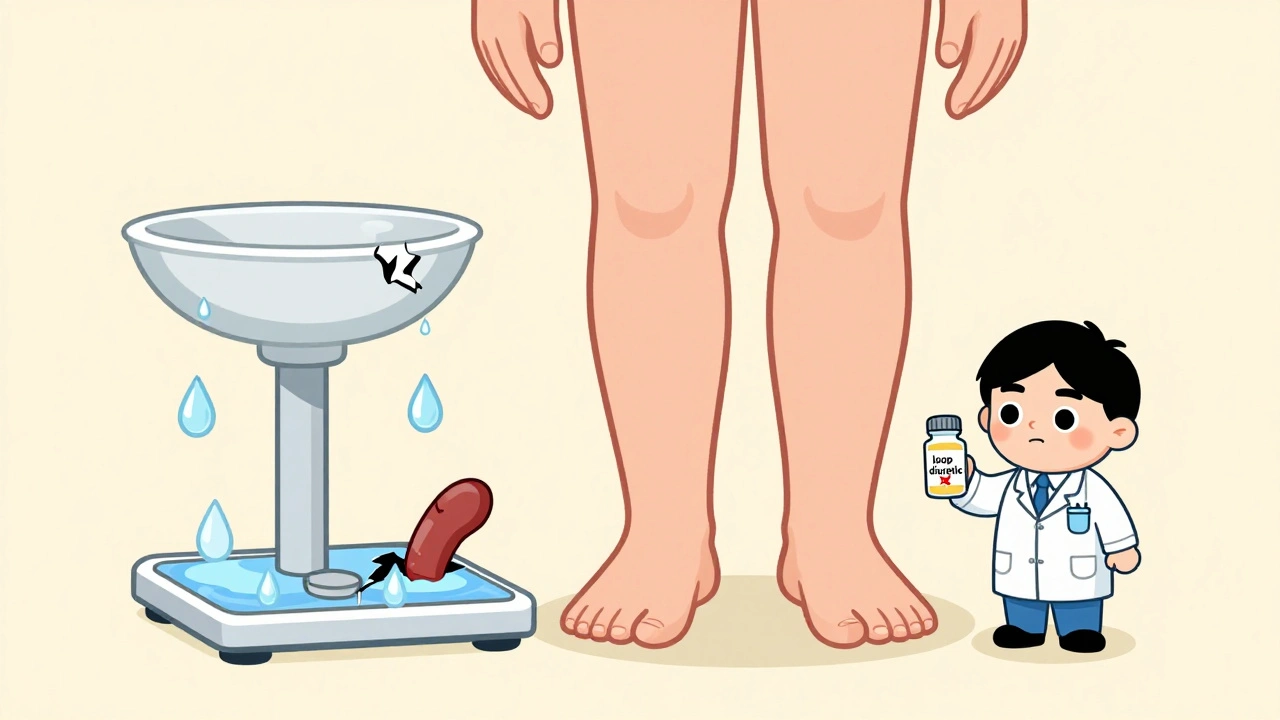
Learn how diuretics, salt restriction, and compression therapy work together to manage edema in chronic kidney disease. Evidence-based strategies to reduce swelling, protect kidney function, and improve daily life.
- December 4 2025
- Tony Newman
- 8 Comments