
Clotting Disorders: Causes, Risks, and Medication Safety Tips
When your blood doesn’t clot the right way, it can lead to serious problems—either too much clotting or not enough. A clotting disorder, a condition where the blood’s ability to form clots is impaired or overactive. Also known as coagulation disorder, it can be inherited or develop from illness, medication, or lifestyle factors. This isn’t just about cuts and scrapes. Clotting disorders affect how your body handles everything from surgery to daily supplements, and they often overlap with other health issues like kidney disease, diabetes, or heart conditions.
Many people with clotting disorders are on blood thinners, medications that reduce the risk of dangerous clots—like warfarin, aspirin, or newer drugs like apixaban. But these aren’t harmless. Taking them with certain herbal supplements, like Ginkgo Biloba or evening primrose oil, can spike your bleeding risk. Even common pain relievers or cold medicines can interfere. And if you’re scheduled for an epidural, a procedure used for pain relief during childbirth or surgery, timing your blood thinner doses correctly is critical to avoid spinal hematomas—rare, but potentially life-changing.
Clotting disorders don’t just affect older adults. They show up in pregnancy, after surgery, or even in people with no family history. Some conditions, like hyperparathyroidism, raise calcium levels that indirectly mess with clotting. Others, like chronic kidney disease, change how your body processes medications. That’s why knowing what you’re taking—and why—isn’t optional. It’s the difference between managing a condition and accidentally triggering a crisis.
What you’ll find here isn’t theory. These are real stories from people who learned the hard way that a supplement they thought was safe could cause bleeding. Or that a side effect they blamed on aging was actually a drug interaction. We cover how to spot warning signs, when to call your doctor, and how to talk to your pharmacist about hidden risks. Whether you’re on a blood thinner, managing a chronic illness, or just wondering if that herbal tea is okay, this collection gives you the facts you need—no fluff, no jargon, just what works.
Clotting Disorders and Anticoagulation: Understanding INR, DOACs, and Safety
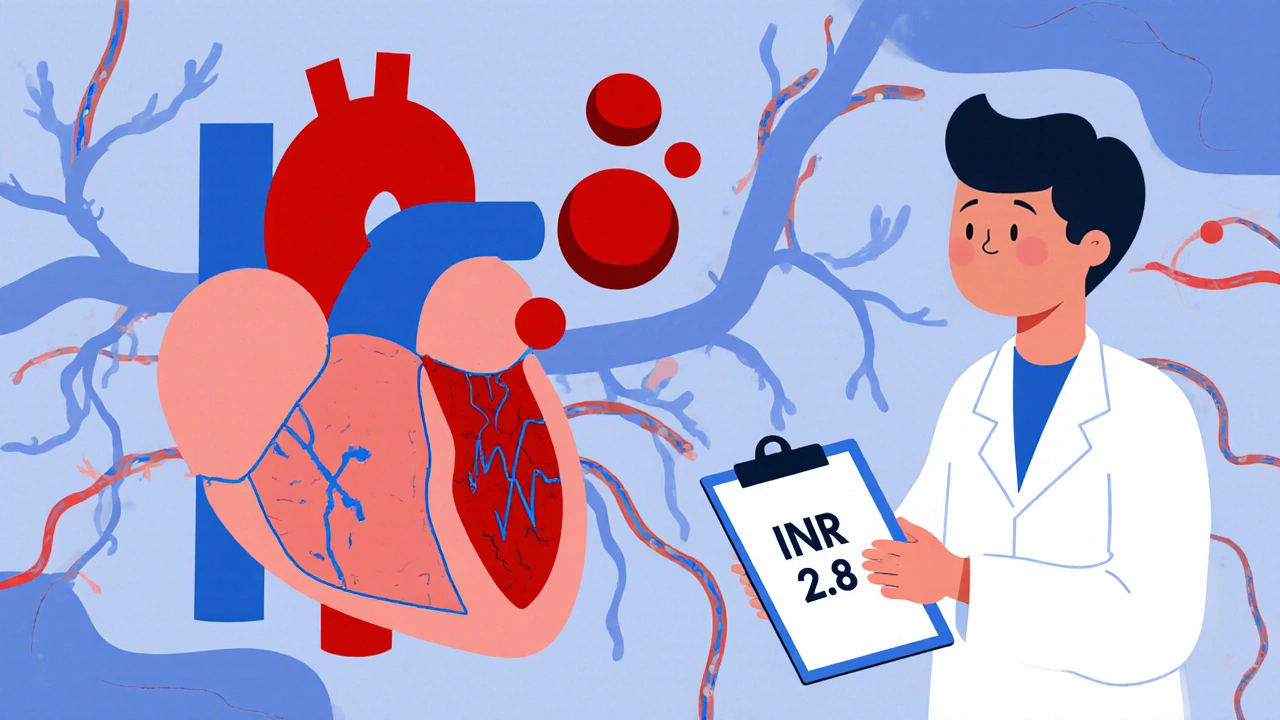
Learn how INR monitoring and DOACs work for clotting disorders, their safety profiles, cost differences, and who should use each type of blood thinner. Understand real-world risks, benefits, and the latest guidelines.
- November 24 2025
- Tony Newman
- 15 Comments