
Cocaethylene: What It Is, Why It Matters, and How It Affects Your Health
When you mix cocaethylene, a toxic chemical created in the body when cocaine and alcohol are used together. It's not a drug you take—it's a byproduct you didn't ask for. This substance forms in your liver when enzymes break down both cocaine and alcohol at the same time. Unlike cocaine alone, cocaethylene stays in your system longer, hits your heart harder, and increases your risk of sudden death. It’s not just a side effect—it’s a silent amplifier of danger.
People often think mixing alcohol and cocaine is just a party trick, but the science is clear: cocaethylene raises heart rate and blood pressure more than either drug alone. It also puts extra stress on your liver, which has to work overtime to process both substances. Studies show users who combine them are up to 18 times more likely to die suddenly than those who use cocaine by itself. And because cocaethylene feels more euphoric for longer, it tricks people into thinking they’re in control—when they’re actually in deeper danger.
It’s not just about the high. Cocaethylene interferes with how your body clears toxins, making it harder for your liver to recover. This is especially risky if you already have liver issues, take other medications, or are older. Even occasional mixing can leave lasting damage. If you’ve ever heard someone say, "I only do it once in a while," that’s exactly when cocaethylene sneaks in and changes the game.
You won’t find cocaethylene on any drug label. It doesn’t show up on most standard drug tests unless specifically looked for. But it’s there—hidden in the chemistry of your body—when you mix these two. That’s why understanding it isn’t just about knowing a chemical name. It’s about recognizing a pattern: alcohol doesn’t just make cocaine feel better. It makes it deadlier.
Below, you’ll find real-world insights from people who’ve dealt with drug interactions, side effects, and unexpected health risks. These posts don’t just talk about theory—they show you what happens when substances collide, how to spot trouble before it’s too late, and what to ask your doctor if you’re using anything that might mix dangerously with alcohol or stimulants. This isn’t about judging choices. It’s about giving you the facts so you can make smarter calls.
Red Flag Drug Combinations to Avoid for Safer Treatment
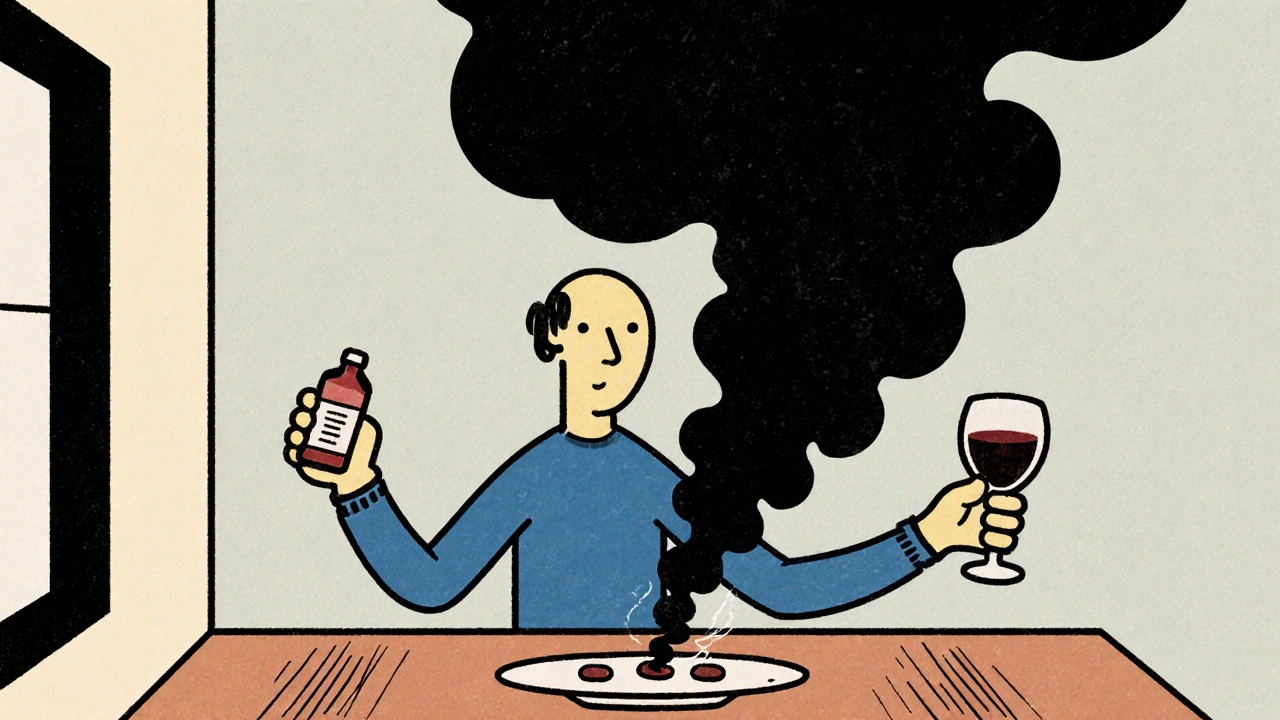
Certain drug combinations can be deadly, even when used as prescribed. Learn the most dangerous pairs - like opioids with alcohol or benzodiazepines - and how to protect yourself from hidden, life-threatening interactions.
- November 25 2025
- Tony Newman
- 16 Comments