
Dangerous Drug Interactions: What You Need to Know to Stay Safe
When you take more than one medication—or even a supplement—it’s easy to assume everything works together safely. But dangerous drug interactions, harmful reactions that happen when two or more substances affect each other in the body. Also known as drug-drug interactions, these can lead to hospital visits, organ damage, or even death. Many people don’t realize that something as simple as ginkgo biloba or evening primrose oil can turn your blood thinner into a ticking time bomb. The same goes for caffeine, antihistamines, or even common pain relievers mixed with prescription heart or diabetes drugs.
Blood thinners, medications that prevent clots but increase bleeding risk. Also known as anticoagulants, they include warfarin, aspirin, and newer drugs like DOACs. These are among the most common culprits in dangerous interactions. Ginkgo biloba, for example, can double your bleeding risk when taken with warfarin. Even something as harmless-seeming as St. John’s wort can make your blood thinner useless—or too strong. And if you’re on a blood thinner and need an epidural or spinal procedure, timing matters. Do it too soon after your last dose, and you could suffer permanent nerve damage from a spinal hematoma. These aren’t rare cases—they happen more often than you think, and most patients aren’t warned.
Then there’s the confusion between a drug allergy, a true immune system reaction that can be life-threatening. Also known as allergic reaction. and a side effect. Most people think they’re allergic to penicillin because they got a rash. But 90% of those people aren’t truly allergic—they just had a side effect. Mislabeling yourself as allergic can mean you get a less effective, more expensive, or riskier drug. And if you’re on antipsychotics, evening primrose oil might lower your seizure threshold. No one tells you that. The FDA and professional societies like ISMP track these risks, but it’s up to you to ask, check, and double-check.
You don’t need to be a doctor to protect yourself. Start by keeping a simple list: every pill, patch, vitamin, herb, and tea you take daily. Bring it to every appointment. Ask: "Could this interact with anything else I’m taking?" Don’t assume your pharmacist knows everything—many don’t track supplements. And if you’re over 65, on five or more meds, or have kidney or liver issues, your risk goes up fast. That’s why deprescribing—safely cutting unnecessary drugs—is becoming a standard part of care. It’s not about stopping meds because you want to. It’s about stopping the ones that might hurt you more than help.
Below, you’ll find real, practical guides on exactly how these interactions happen, who’s most at risk, and what to do before your next prescription. From caffeine cutting times that affect sleep and meds, to how to spot a fake allergy, to why your grandma’s fish oil might be dangerous with her blood thinner—this collection cuts through the noise. No fluff. Just what you need to stay safe, informed, and in control of your health.
Red Flag Drug Combinations to Avoid for Safer Treatment
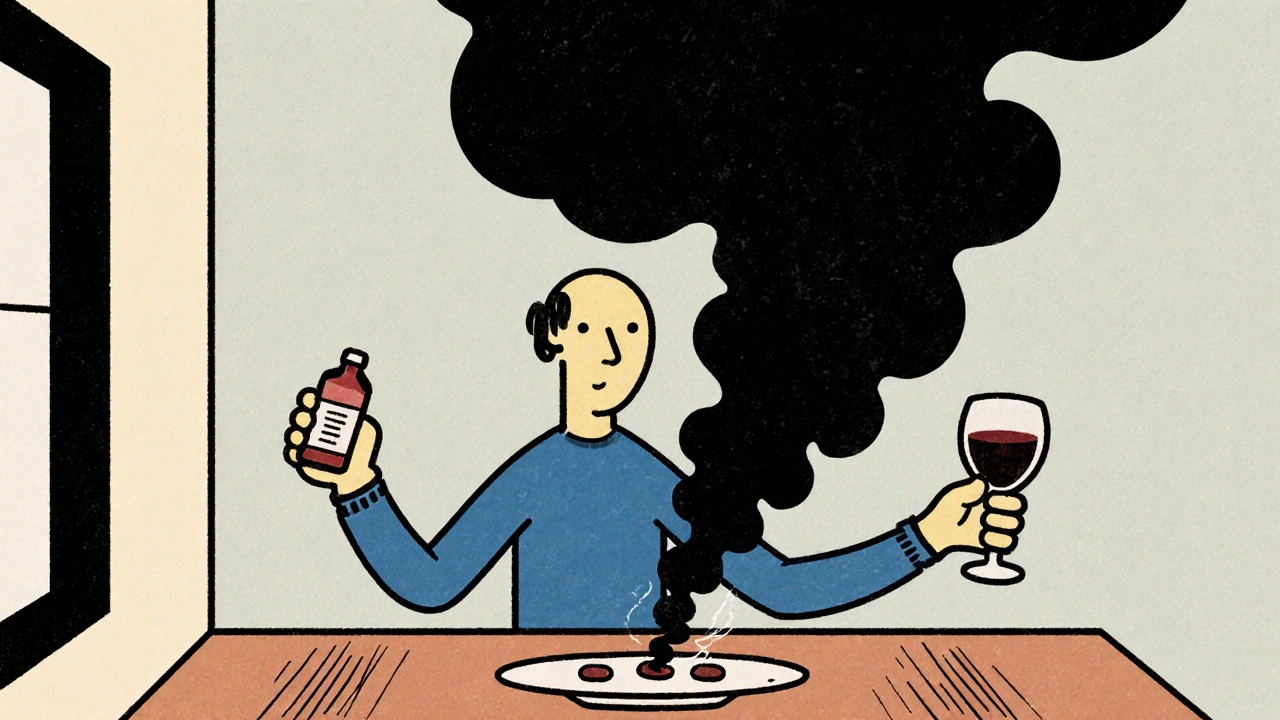
Certain drug combinations can be deadly, even when used as prescribed. Learn the most dangerous pairs - like opioids with alcohol or benzodiazepines - and how to protect yourself from hidden, life-threatening interactions.
- November 25 2025
- Tony Newman
- 16 Comments