
Dementia Symptoms: What to Watch For and When to Act
When someone starts forgetting names, repeating questions, or losing track of time, it’s not just aging—it could be dementia, a group of conditions that cause progressive decline in memory, thinking, and behavior. Also known as neurocognitive disorder, dementia isn’t a single disease but a set of symptoms caused by underlying brain changes, often from Alzheimer’s disease, vascular issues, or other neurological conditions. These symptoms don’t show up overnight. They creep in slowly, making it easy to dismiss them as stress, tiredness, or just getting older. But if you notice consistent changes in how someone thinks, remembers, or acts, it’s worth paying attention.
Dementia symptoms usually fall into three big groups: memory loss, the most common early sign, especially trouble remembering recent events or conversations, cognitive decline, including trouble planning, solving problems, or following familiar steps like cooking or managing bills, and behavioral changes, like becoming withdrawn, anxious, aggressive, or acting out of character. Someone might start misplacing things in odd places—keys in the fridge—or lose interest in hobbies they once loved. They might repeat stories, get lost in familiar neighborhoods, or struggle to find the right words mid-sentence. These aren’t just quirks. They’re signals the brain is changing.
It’s not always Alzheimer’s. Other causes like vitamin deficiencies, thyroid problems, or even medication side effects can mimic dementia symptoms—and those are often reversible. That’s why early evaluation matters. If you or someone you care about is showing signs, seeing a doctor isn’t about labeling—it’s about understanding what’s happening and what can be done. Some treatments can slow progression. Lifestyle changes like staying active, eating well, and managing blood pressure can help protect brain health. And knowing what’s coming lets families plan ahead, whether it’s adjusting routines, setting up legal documents, or finding support.
What you’ll find below are real, practical posts that break down what dementia symptoms look like in daily life, how they connect to other health issues like heart disease or medication use, and what steps actually help. From how blood thinners affect brain health to why certain drug combinations can worsen confusion, these aren’t generic lists. They’re grounded in what people are actually dealing with—so you can spot the red flags, ask the right questions, and take action before things get harder.
Dementia Types: Vascular, Frontotemporal, and Lewy Body Explained
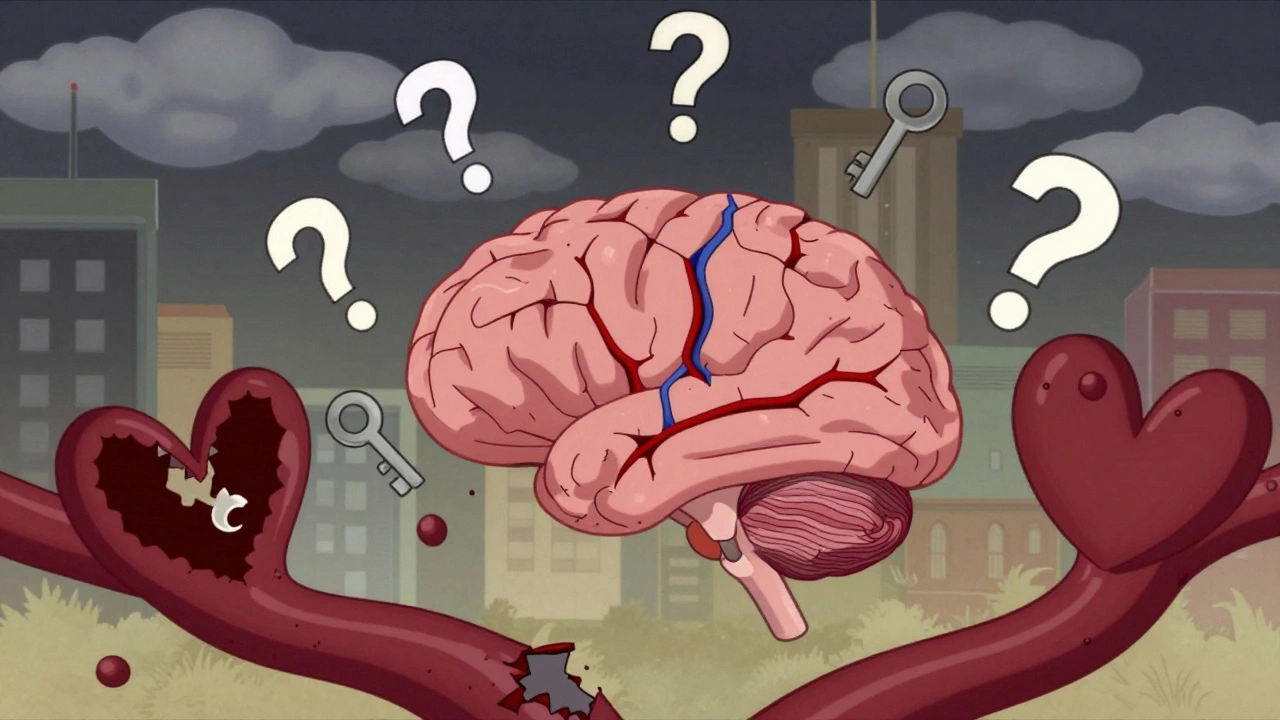
Vascular, frontotemporal, and Lewy body dementia are three distinct types of dementia with different causes, symptoms, and treatments. Learn how to tell them apart and why accurate diagnosis matters.
- December 5 2025
- Tony Newman
- 8 Comments