
DOACs: What You Need to Know About Direct Oral Anticoagulants
When you hear DOACs, Direct Oral Anticoagulants are a modern class of blood-thinning medications used to prevent clots without the need for regular blood tests. Also known as novel oral anticoagulants, they’ve replaced older drugs like warfarin for millions of people with atrial fibrillation, deep vein thrombosis, or after hip or knee surgery. Unlike warfarin, which needs constant monitoring and dietary restrictions, DOACs come in fixed doses and work predictably. That’s why doctors now reach for them first — but that doesn’t mean they’re risk-free.
One of the biggest concerns with DOACs, Direct Oral Anticoagulants are a modern class of blood-thinning medications used to prevent clots without the need for regular blood tests. Also known as novel oral anticoagulants, they’ve replaced older drugs like warfarin for millions of people with atrial fibrillation, deep vein thrombosis, or after hip or knee surgery. is bleeding — especially when you need a procedure like an epidural or spinal tap. That’s why timing matters. If you’re on apixaban, rivaroxaban, or dabigatran and your doctor says you need surgery, you can’t just stop the pill the night before. The window depends on your kidney function, the drug you’re taking, and the type of procedure. A mistake here can lead to a spinal hematoma — a rare but serious condition that can cause permanent nerve damage. And it’s not just surgery. Mixing DOACs with other blood thinners, like aspirin or even herbal supplements like Ginkgo Biloba, can turn a minor cut into a dangerous bleed.
Another key thing to understand: DOACs aren’t all the same. Some are cleared by the kidneys, others by the liver. If you have kidney disease, your doctor might avoid one type and pick another. And while they’re easier to take than warfarin, they’re harder to reverse if something goes wrong. There are antidotes now — like idarucizumab for dabigatran — but they’re expensive and not always available. That’s why knowing exactly which DOAC you’re on, and why, is critical.
You’ll also see DOACs mentioned alongside other meds in posts about diabetes drugs, joint pain, and geriatric polypharmacy. Why? Because older adults often take multiple pills — and DOACs are one of the most common. When you’re on five or six medications, the chance of a bad interaction goes up fast. That’s why deprescribing and medication reviews are so important. A drug that helped you last year might be doing more harm than good now.
Below, you’ll find real, practical advice on how DOACs interact with other treatments, what to do before surgery, how to spot dangerous side effects, and how to talk to your doctor about stopping or switching them. These aren’t theory pieces — they’re written by people who’ve seen the mistakes, the confusion, and the lifesaving choices that come with using these drugs every day.
Clotting Disorders and Anticoagulation: Understanding INR, DOACs, and Safety
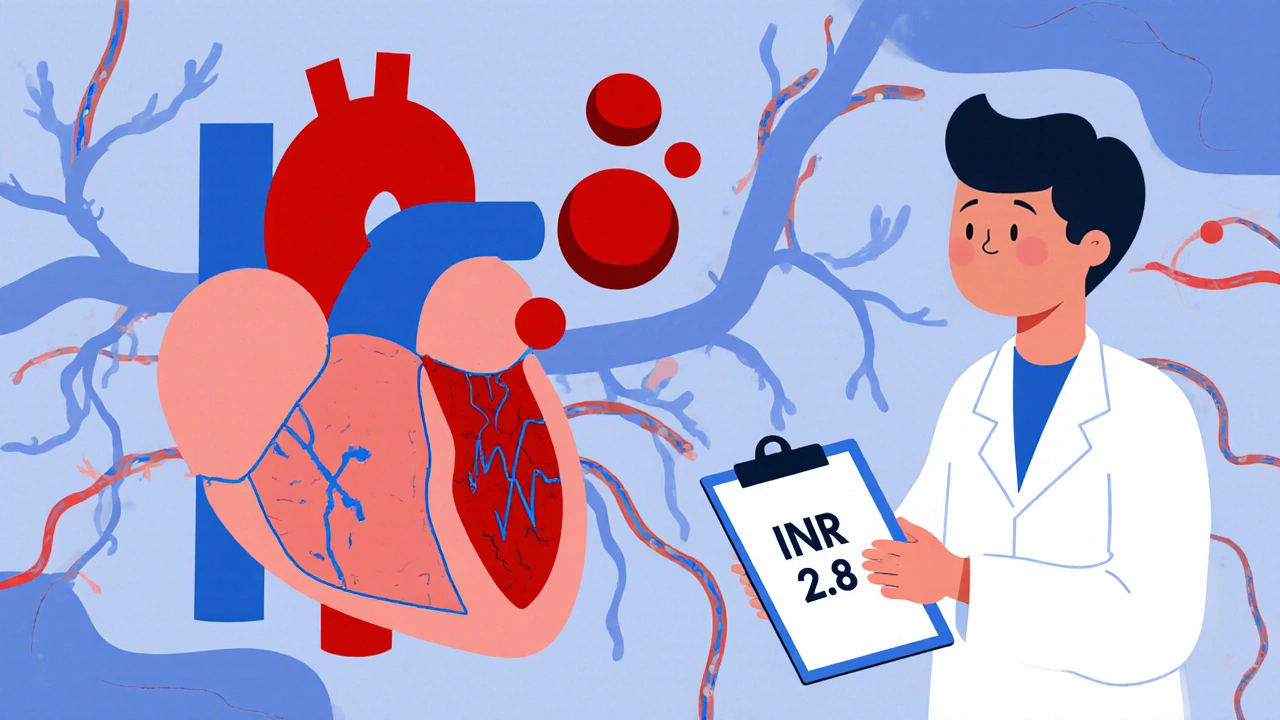
Learn how INR monitoring and DOACs work for clotting disorders, their safety profiles, cost differences, and who should use each type of blood thinner. Understand real-world risks, benefits, and the latest guidelines.
- November 24 2025
- Tony Newman
- 15 Comments