
Drug Components: What’s Inside Your Medication and Why It Matters
When you take a pill, you’re not just swallowing a single thing—you’re ingesting a carefully engineered mix of drug components, the chemical substances that make up a medication, including both active and inactive parts. Also known as pharmaceutical ingredients, these components determine how the drug works, how safe it is, and whether it will actually help you. The most important part is the active ingredient, the substance that produces the intended medical effect. For example, in a generic ibuprofen tablet, the active ingredient is ibuprofen itself—the same as in Advil. But what’s in the rest of the pill? That’s where things get tricky.
Inactive ingredients, the fillers, binders, and coatings that help form the pill might seem harmless, but they can cause reactions in sensitive people. Corn starch, lactose, dyes, or preservatives can trigger allergies or digestive issues, even if the active ingredient is perfectly safe. And here’s the catch: generic drugs must match the brand-name version in strength, dosage, and how fast they’re absorbed—but they don’t have to use the same inactive ingredients. That’s why some people feel different on a generic version, even though the FDA says it’s bioequivalent. Bioequivalence, the scientific proof that a generic drug performs the same way as the brand, is required by law, but it doesn’t guarantee identical experience.
Knowing your drug components isn’t just about avoiding side effects—it’s about making smarter choices. If you’re on blood thinners, for example, even herbal supplements like Ginkgo Biloba can interact dangerously with your medication because of how they affect the same pathways in your body. If you’re taking DPP-4 inhibitors for diabetes, joint pain might not be aging—it could be the drug itself. And if you’re confused about why your insurance puts one drug on Tier 1 and another on Tier 3, it’s often because of the cost of the active ingredient and how many companies make it. Multi-source drugs with multiple generic makers usually cost less, while single-source drugs—where only one company makes it—can stay expensive for years.
Every pill you take is a story of chemistry, regulation, and biology. The FDA doesn’t just approve drugs based on how well they work—they check how they’re made, how they break down in your body, and whether they’re safe to mix with other substances. That’s why bioequivalence studies matter. That’s why drug interactions get warnings. And that’s why knowing what’s actually in your medication can help you ask better questions, spot red flags, and take control of your treatment. Below, you’ll find real-world guides on exactly what to look for, what to avoid, and how to decode the fine print on your prescription bottle—so you’re never just guessing what’s in your medicine.
Active vs Inactive Drug Ingredients: Why the Difference Matters for Your Health
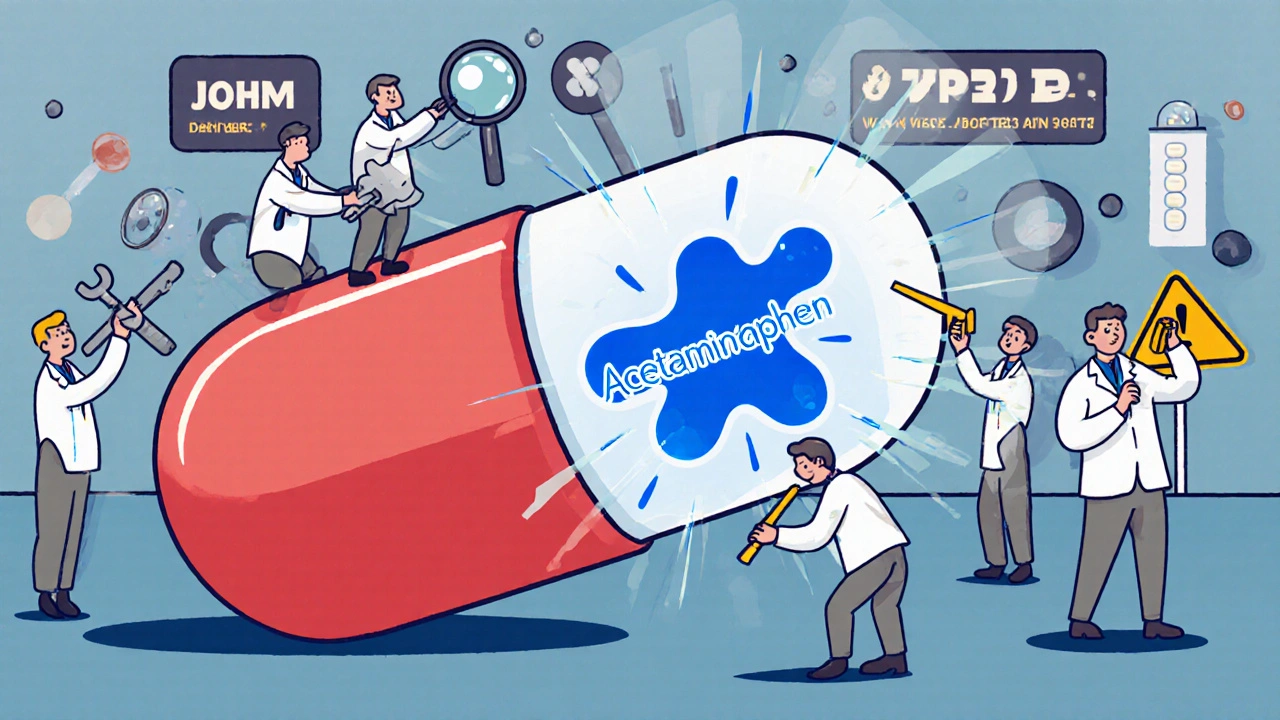
Active ingredients treat your condition, but inactive ingredients can cause side effects, trigger allergies, or even affect how well your medicine works. Know what’s really in your pills.
- November 28 2025
- Tony Newman
- 15 Comments