
Excipients: What They Are and Why They Matter in Your Medications
When you take a pill, the active drug is what treats your condition—but it’s the excipients, non-active ingredients added to medicines to help with stability, absorption, or ease of swallowing. Also known as inactive ingredients, they’re the silent partners in every tablet, capsule, or liquid you swallow. Without them, most drugs would fall apart, taste awful, or not get absorbed at all. You might think excipients are just filler, but they’re carefully chosen to make sure your medicine works the way it should—whether it’s a brand-name drug or a generic version.
These ingredients include things like lactose, a common filler used in tablets because it’s cheap and stable, magnesium stearate, a lubricant that prevents pills from sticking to manufacturing machines, and hypromellose, a coating that controls how fast a drug releases in your gut. Even though they don’t treat your illness, they can affect how your body handles the drug. For example, someone with a lactose intolerance might have stomach issues from a pill that uses lactose as a filler—even if the active ingredient is perfectly safe for them. That’s why knowing what’s in your meds matters, especially when switching between brands or generics.
Generic drugs must match the brand-name version in strength, safety, and effectiveness—but they don’t have to use the same excipients. That’s why two pills with the same active ingredient can feel different to some people. One might dissolve faster, another might leave a chalky aftertaste, and a third might cause minor stomach upset simply because of the fillers. The FDA doesn’t require generics to copy excipients exactly, but they do require proof that the drug gets into your bloodstream the same way. That’s where bioequivalence studies come in, and why you’ll find posts here about how those tests work, what they miss, and why some people still notice differences.
Excipients also play a role in how drugs are packaged, stored, and delivered. Some are used to keep medicines from degrading in heat or moisture. Others help with slow-release formulas so you don’t have to take a pill every few hours. Even the color or shape of a pill often comes down to excipients—not the active drug. And while most are harmless, a few can trigger rare allergies or interact with other conditions. That’s why understanding what’s in your meds isn’t just for chemists—it’s for anyone who takes pills regularly.
Below, you’ll find real-world posts that dig into how excipients connect to everything from generic drug approval and patient reactions to hidden risks in supplements and why your insurance might not care about them—but your body does. Whether you’re switching meds, dealing with side effects you can’t explain, or just wondering why two identical pills feel different, this collection gives you the facts behind the filler.
Active vs Inactive Drug Ingredients: Why the Difference Matters for Your Health
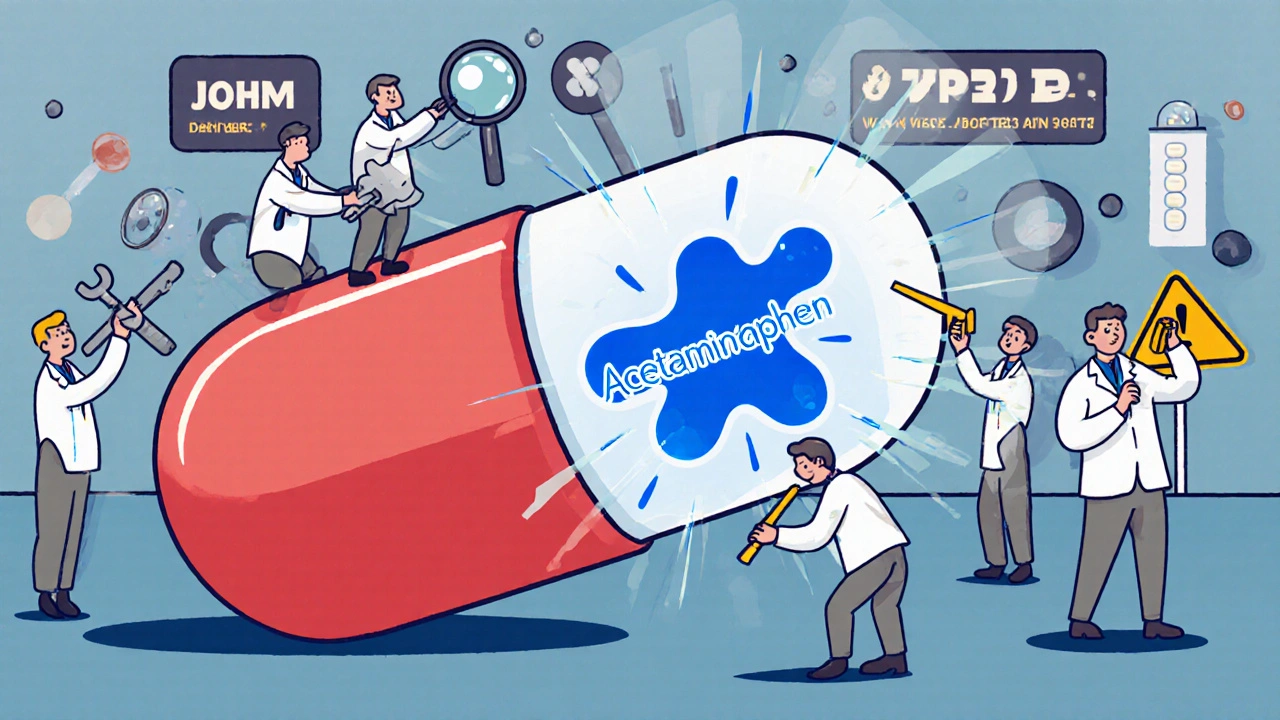
Active ingredients treat your condition, but inactive ingredients can cause side effects, trigger allergies, or even affect how well your medicine works. Know what’s really in your pills.
- November 28 2025
- Tony Newman
- 15 Comments