
Frontotemporal Dementia: Causes, Symptoms, and Medication Management
When someone starts acting out of character—losing empathy, making poor decisions, or struggling to speak—they might be facing frontotemporal dementia, a group of neurodegenerative disorders that damage the frontal and temporal lobes of the brain, leading to changes in personality, behavior, and language. Also known as behavioral variant FTD, it’s not Alzheimer’s, and it often strikes people much younger, sometimes as early as their 40s or 50s. Unlike memory loss that defines Alzheimer’s, frontotemporal dementia starts with who you are, not what you remember.
This condition breaks down into three main types: behavioral variant FTD, the most common form, where judgment, impulse control, and social behavior deteriorate; primary progressive aphasia, a language-focused version where people lose the ability to speak, read, or understand words; and a rarer form tied to movement disorders like ALS. These aren’t just memory problems—they’re identity changes. A once-kind person becomes rude. A talkative parent falls silent. A skilled professional can’t follow a recipe. The brain’s wiring for emotion and language is breaking down, and no drug can stop it.
That doesn’t mean nothing can be done. While there’s no cure, medications help manage symptoms. Antidepressants like SSRIs can calm impulsivity and obsessive behaviors. Antipsychotics, used cautiously, may reduce aggression or hallucinations. Speech therapy supports those with language loss. And just like with heart disease or diabetes, managing other conditions—high blood pressure, diabetes, sleep apnea—can slow overall decline. The goal isn’t to reverse damage, but to preserve dignity, reduce distress, and give families more time together.
You’ll find posts here that dig into the real-world challenges: how certain drugs interact with dementia meds, why some supplements can make things worse, and how caregivers navigate medication changes when behavior shifts suddenly. We cover what works, what doesn’t, and what doctors often miss—like the difference between a side effect and a symptom of progression. These aren’t theoretical discussions. They’re from people living with this daily, and the science that helps them cope.
Dementia Types: Vascular, Frontotemporal, and Lewy Body Explained
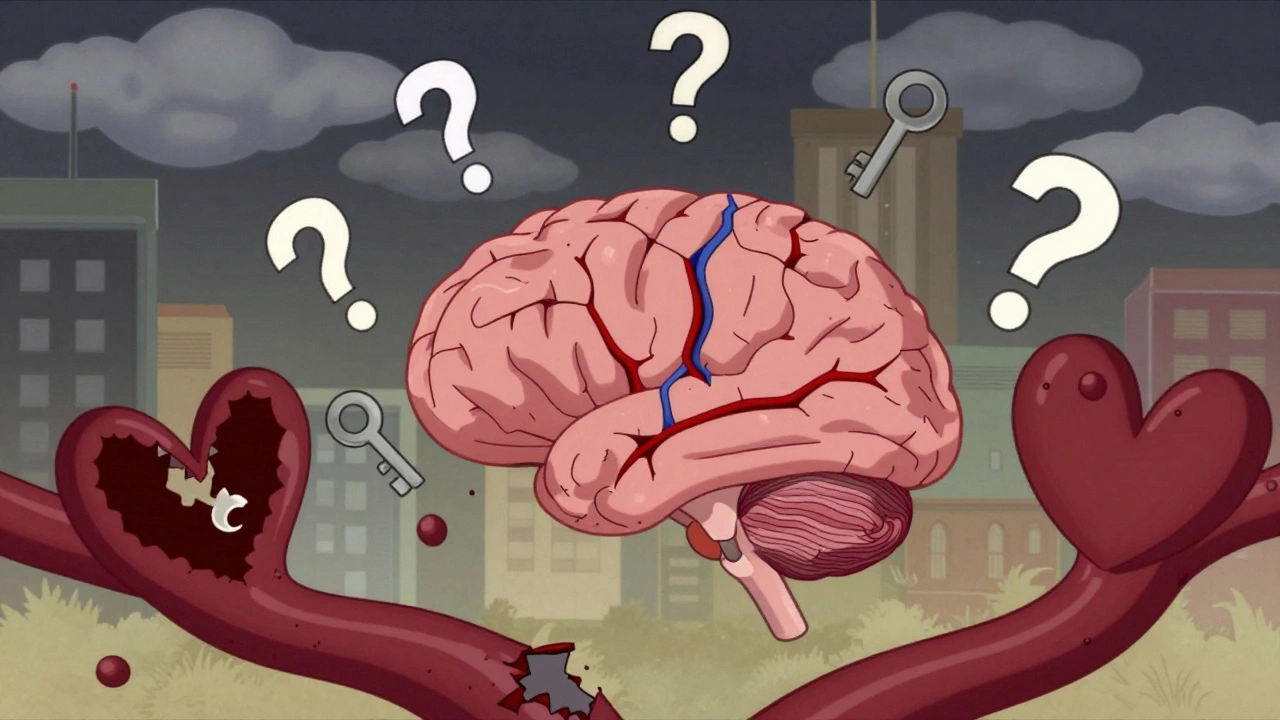
Vascular, frontotemporal, and Lewy body dementia are three distinct types of dementia with different causes, symptoms, and treatments. Learn how to tell them apart and why accurate diagnosis matters.
- December 5 2025
- Tony Newman
- 8 Comments