
Inactive Ingredients: What They Are and Why They Matter in Your Medication
When you swallow a pill, the active ingredient is what treats your condition—but the rest? That’s made up of inactive ingredients, substances in medications that have no therapeutic effect but are essential for making the drug stable, absorbable, and safe to take. Also known as excipients, these include things like starch, lactose, dyes, and preservatives. They don’t cure anything, but they make sure your medicine dissolves properly, stays shelf-stable, and doesn’t fall apart in your pocket. Most people assume all pills with the same active ingredient are identical, but that’s not true. Two generic versions of the same drug can have completely different inactive ingredients—and that can change how you feel.
For example, if you’re lactose intolerant, a generic version of your blood pressure pill might contain lactose as a filler. That could cause bloating or diarrhea, even though the active drug works perfectly. Or if you’re allergic to red dye, a different brand of your antidepressant might use a dye that triggers a rash. These aren’t side effects of the medicine—they’re reactions to the excipients, non-active components added to help formulate the drug. The FDA doesn’t require manufacturers to list every single inactive ingredient on the label, but they do track them in the drug’s application. That’s why some people react to one generic but not another, even when both claim to be the same.
And here’s something most don’t realize: inactive ingredients, substances in medications that have no therapeutic effect but are essential for making the drug stable, absorbable, and safe to take can even affect how fast the drug enters your bloodstream. That’s why bioequivalence studies—the same ones the FDA uses to approve generics—don’t just check the active ingredient. They also look at how the whole pill behaves in your body, including how the fillers and coatings influence absorption. If the inactive ingredients change too much, the drug might not work the same way, even if the active part is identical.
You won’t find a full list of these ingredients on your prescription bottle, but you can look them up. The National Library of Medicine’s DailyMed database has detailed drug labels, including every excipient. If you’ve had strange reactions to a generic drug, it’s not in your head—it could be the filler. Ask your pharmacist for the manufacturer’s name and look it up. Sometimes switching brands solves the problem without changing your treatment.
And if you’re on multiple medications, the mix of inactive ingredients can add up. A pill with titanium dioxide, another with corn starch, and a third with artificial flavoring—each might be fine alone, but together they could be causing fatigue, brain fog, or stomach issues. It’s not always the drugs. It’s the dust they come in.
Below, you’ll find real-world stories and science-backed insights about what’s really inside your pills. From how fillers affect absorption to why some people react to generic versions, these posts help you understand the hidden parts of your medicine—and take back control over what you’re actually taking.
Active vs Inactive Drug Ingredients: Why the Difference Matters for Your Health
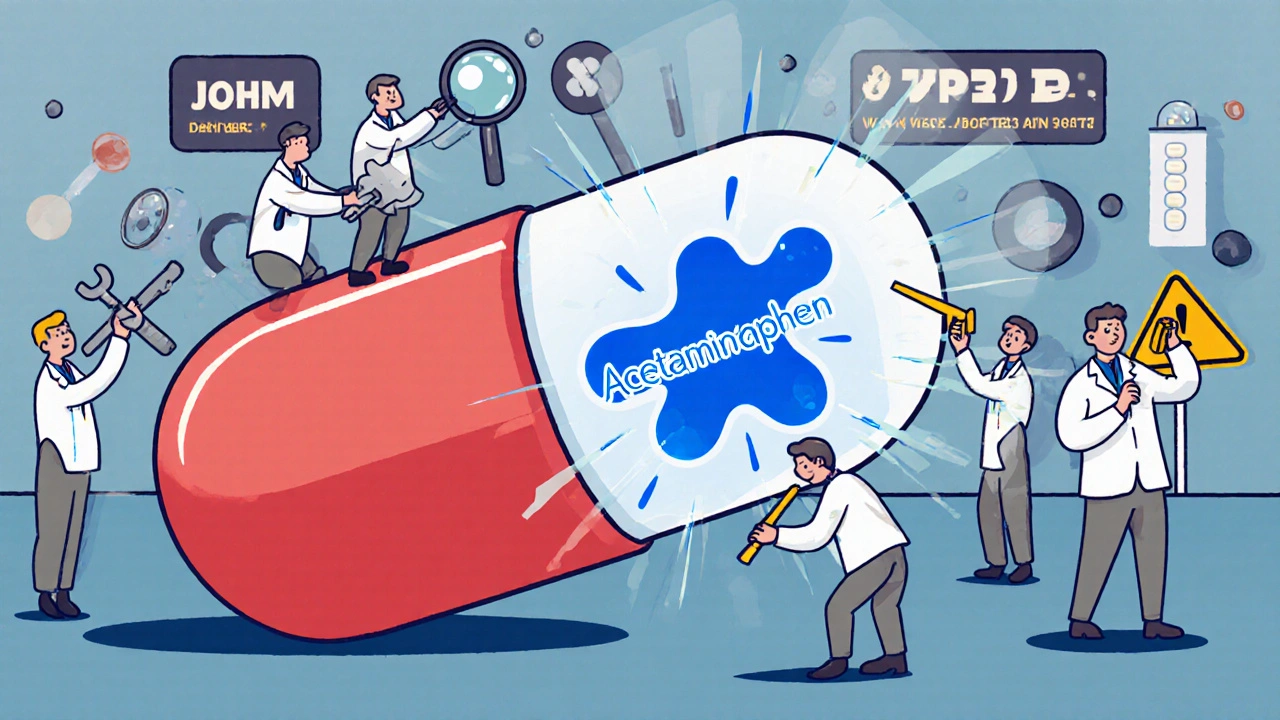
Active ingredients treat your condition, but inactive ingredients can cause side effects, trigger allergies, or even affect how well your medicine works. Know what’s really in your pills.
- November 28 2025
- Tony Newman
- 15 Comments