
Kava and Anxiety Meds: What You Need to Know About Mixing Natural Remedies with Prescription Drugs
When people turn to kava, a traditional Pacific Island plant used for its calming effects. Also known as Piper methysticum, it's often chosen as a natural alternative to prescription anxiety meds because it doesn't cause drowsiness or dependence like some pharmaceuticals. But here's the problem: kava doesn't play nice with many common anxiety treatments. If you're taking SSRIs like sertraline, benzodiazepines like lorazepam, or even sleep aids like zolpidem, mixing them with kava can boost sedation, slow your breathing, or even damage your liver. It's not just a theory—case reports from the FDA and European drug safety agencies show real instances of liver injury when kava was taken with other meds.
What makes this even trickier is that kava affects the same brain pathways as benzodiazepines. It boosts GABA activity, which is exactly how drugs like Xanax and Valium work. That means stacking kava with these meds doesn’t just add up—it multiplies the effect. One study in the Journal of Clinical Psychopharmacology found that people who took kava alongside lorazepam had significantly slower reaction times and worse motor control than those who took either alone. And if you’re on an SSRI like fluoxetine, you’re not just risking sedation—you could be heading toward serotonin syndrome, a rare but dangerous condition that causes confusion, rapid heartbeat, and muscle rigidity. The FDA has issued warnings about kava’s liver risks since 2002, and since then, over 25 countries have restricted its sale. Yet it’s still sold as a "natural" supplement, meaning it’s not tested for interactions the way prescription drugs are.
Meanwhile, your anxiety meds aren’t just pills—they’re part of a bigger system. SSRIs, a class of antidepressants commonly prescribed for anxiety disorders. Also known as selective serotonin reuptake inhibitors, they’re meant to be taken daily for weeks before they work, and stopping them suddenly can cause withdrawal. Benzodiazepines, fast-acting sedatives used for short-term anxiety relief. Also known as benzos, they’re highly effective but carry risks of tolerance, dependence, and overdose when mixed with alcohol or other depressants. Kava sits in the middle of this—neither fully regulated nor fully understood. You can’t assume it’s safe just because it’s plant-based. Many people don’t realize that supplements like kava, valerian, or passionflower can interfere with blood thinners, seizure meds, and even birth control. If you’re thinking about switching from a prescription to kava, or adding kava to your current regimen, talk to your doctor first. Don’t wait for side effects to show up.
Below, you’ll find real cases and studies that show exactly how kava interacts with common anxiety treatments, what the hidden dangers are, and what safer alternatives actually work—without risking your liver or your safety.
Kava and Sedative Medications: What You Need to Know About Liver and Sedation Risks
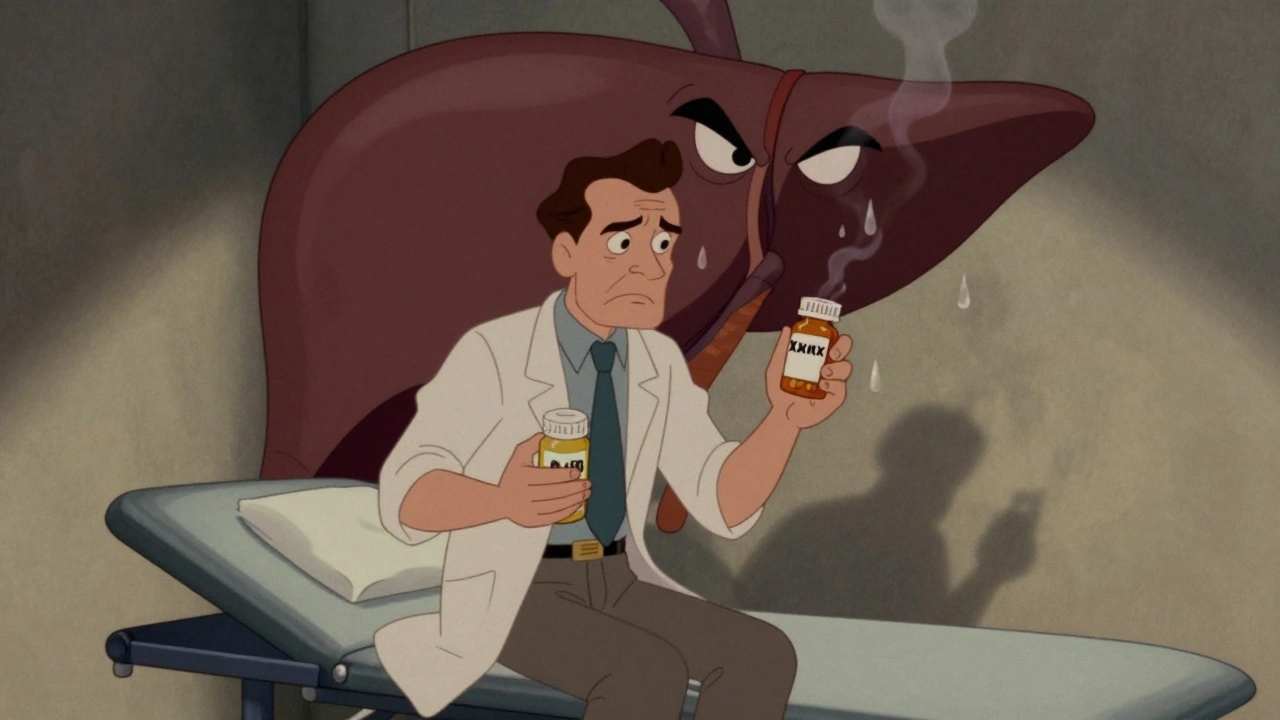
Kava may help with anxiety, but combining it with sedative meds like Xanax or Valium can cause dangerous drowsiness and serious liver damage. Learn the risks, who's most at risk, and safer alternatives.
- December 9 2025
- Tony Newman
- 11 Comments