
Kava and Sedatives: Risks, Interactions, and What You Need to Know
When you take kava, a traditional Pacific Island herbal remedy used for anxiety and relaxation. Also known as Piper methysticum, it works on the same brain pathways as some prescription sedatives—making it a quiet but serious risk when mixed with medications. Many people think herbal means safe, but kava doesn’t play nice with drugs that slow down your nervous system. It’s not just about feeling sleepy—it’s about your breathing, your heart, and your ability to stay alert when it matters.
Common sedatives like benzodiazepines (Xanax, Valium), sleep aids (Ambien), and even some antidepressants or painkillers can team up with kava to create a dangerous combo. Studies show this mix can cause extreme drowsiness, dizziness, confusion, and in rare cases, respiratory failure. You don’t need to take a lot—just one evening cup of kava tea with your nightly pill can be enough to tip the balance. The FDA has warned about kava’s link to liver damage too, and combining it with sedatives makes your liver work twice as hard, increasing the chance of harm.
People often don’t realize they’re at risk because kava is sold as a supplement, not a drug. No prescription needed. No warning label on the bottle. But if you’re taking anything for anxiety, insomnia, or muscle relaxation, you’re already in the danger zone. Even over-the-counter antihistamines like Benadryl can add to the problem. And if you’ve had surgery, are planning a procedure, or have liver issues, the stakes are even higher. The same goes for alcohol—mixing kava with wine or beer is like pouring gasoline on a fire.
There’s no safe dose when kava and sedatives meet. The effects aren’t always immediate—you might feel fine one day and crash the next. That’s why doctors and pharmacists need to know everything you’re taking, even if you think it’s "just herbal." Many patients don’t mention kava because they assume it’s harmless. But the data doesn’t lie: interactions like this show up in ER visits, drug safety reports, and clinical case studies. You don’t need to quit kava cold turkey—but you do need to talk to your provider before using it at all.
Below, you’ll find real-world examples of dangerous drug combinations, how to spot hidden sedative effects, and what to do if you’re already mixing these substances. These aren’t theoretical warnings—they’re based on actual patient cases, FDA alerts, and medical guidelines. Whether you’re managing anxiety, struggling with sleep, or just curious about herbal options, this collection gives you the facts you need to stay safe.
Kava and Sedative Medications: What You Need to Know About Liver and Sedation Risks
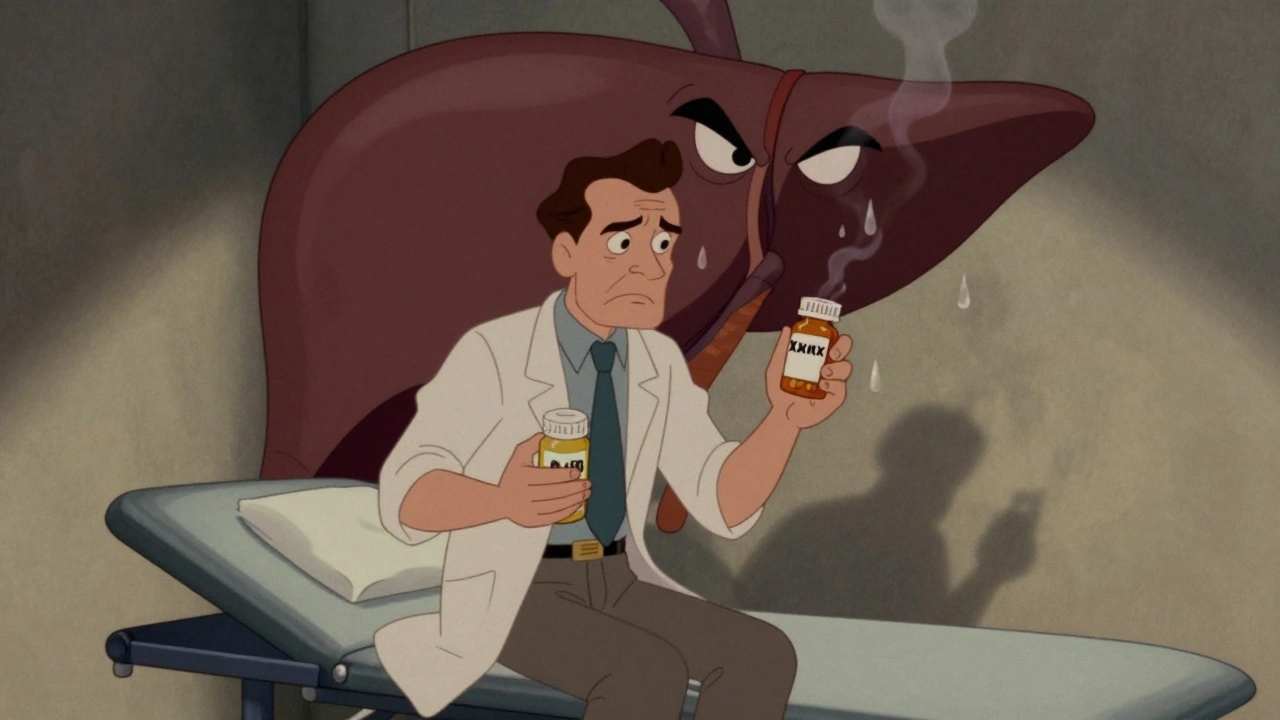
Kava may help with anxiety, but combining it with sedative meds like Xanax or Valium can cause dangerous drowsiness and serious liver damage. Learn the risks, who's most at risk, and safer alternatives.
- December 9 2025
- Tony Newman
- 11 Comments