
Kava Liver Damage: Risks, Signs, and What You Need to Know
When you take kava, a traditional Pacific Island herbal remedy used for anxiety and relaxation. Also known as Piper methysticum, it’s sold as tea, capsules, or liquid extracts—but it’s not harmless. While many assume herbal means safe, kava has been linked to rare but severe cases of liver damage, a condition where the liver becomes inflamed, scarred, or fails to process toxins. The FDA issued warnings in the early 2000s after reports of hepatitis, cirrhosis, and even liver transplants tied to kava use. This isn’t a myth—it’s documented medical risk.
Not everyone gets liver issues from kava, but certain factors raise the risk. People who drink alcohol regularly, take other medications that affect the liver (like statins or acetaminophen), or use kava for longer than three months are more vulnerable. The problem isn’t always the dose—it’s how your body breaks it down. Some people have genetic differences that make their liver struggle to process kava’s active compounds, called kavalactones. That’s why two people taking the same pill can have totally different outcomes. And unlike prescription drugs, kava supplements aren’t tested for purity or consistency. One batch might be clean; another could be contaminated with mold, pesticides, or even synthetic additives that hurt the liver.
What does liver damage from kava look like? It starts quietly: unexplained fatigue, dark urine, yellowing eyes or skin (jaundice), nausea, or pain under your right ribs. If you’ve been using kava and notice any of these, stop immediately and get a blood test. Liver enzymes like ALT and AST can spike before you feel sick. Waiting for symptoms to get worse is dangerous. The damage can be irreversible—even if you quit kava right away.
Some people swear kava helps with anxiety better than prescription meds, and there’s research backing its short-term use. But no study says it’s safe for long-term or daily use. And no supplement label warns you clearly enough. If you’re using kava to sleep or calm down, ask yourself: Is this worth risking your liver? There are safer, proven alternatives—from cognitive behavioral therapy to FDA-approved herbal options like passionflower—that don’t carry this kind of risk.
Below, you’ll find real cases, expert warnings, and science-backed advice on how to protect yourself when using herbal products. These aren’t hypotheticals—they’re stories of people who didn’t know the danger until it was too late. You don’t need to learn the hard way.
Kava and Sedative Medications: What You Need to Know About Liver and Sedation Risks
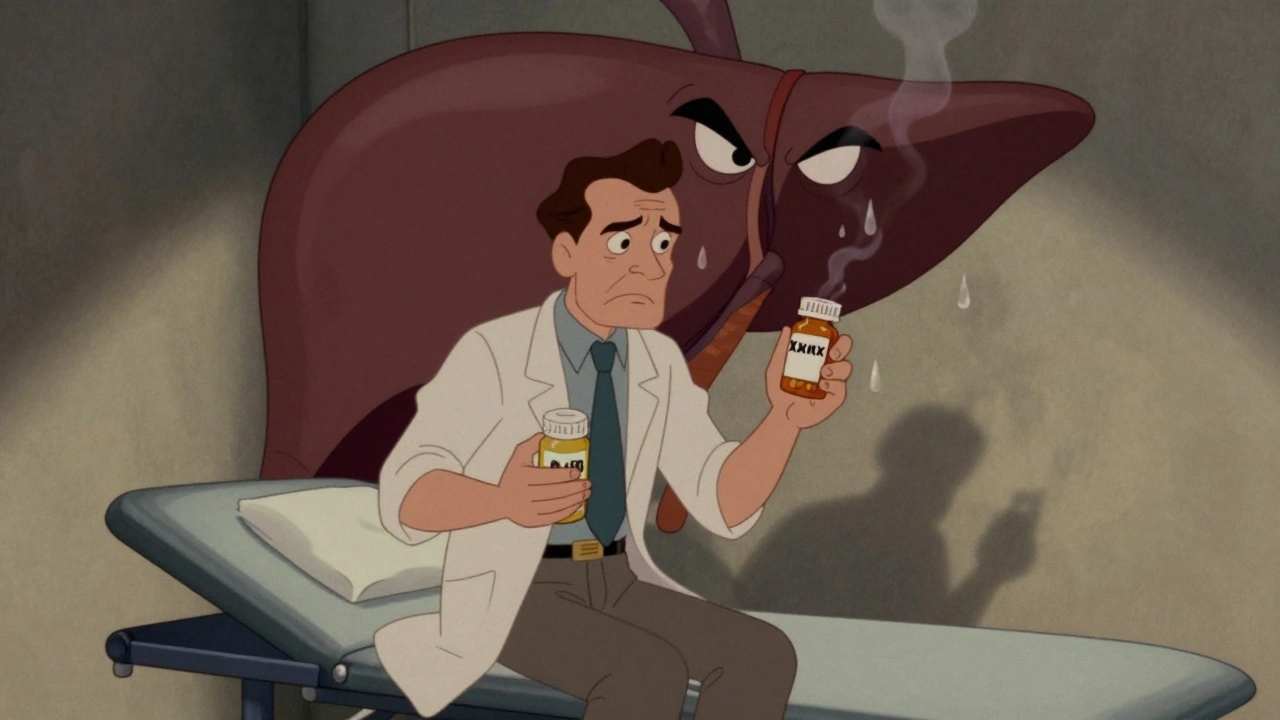
Kava may help with anxiety, but combining it with sedative meds like Xanax or Valium can cause dangerous drowsiness and serious liver damage. Learn the risks, who's most at risk, and safer alternatives.
- December 9 2025
- Tony Newman
- 11 Comments