
Lewy body dementia: Causes, symptoms, and how medications help manage it
When someone has Lewy body dementia, a progressive brain disorder caused by abnormal protein deposits called Lewy bodies that disrupt thinking, movement, and behavior. Also known as dementia with Lewy bodies, it’s the second most common type of dementia after Alzheimer’s—and often gets misdiagnosed because its symptoms overlap with Parkinson’s and Alzheimer’s. Unlike typical Alzheimer’s, Lewy body dementia brings sudden shifts in alertness, vivid hallucinations, and stiff, slow movements that look like Parkinson’s disease. These aren’t just memory problems—they’re full-body disruptions that affect sleep, blood pressure, digestion, and even how the brain processes medications.
What makes Lewy body dementia especially tricky is how sensitive it is to certain drugs. Antipsychotics, medications used to treat hallucinations and delusions can cause severe reactions in these patients—sometimes even leading to sudden death. Even common drugs like benzodiazepines, used for anxiety or sleep, can make confusion worse. That’s why treatment isn’t about fixing symptoms with strong drugs—it’s about careful, step-by-step management. Medications like cholinesterase inhibitors (used in Alzheimer’s) can help with memory and hallucinations, while Parkinson’s drugs like levodopa may ease movement issues—but only if dosed just right. Too much, and hallucinations spike. Too little, and mobility crashes. It’s a tightrope walk.
And it’s not just about pills. Sleep problems, blood pressure drops, and digestive issues are part of the disease. That’s why the best care combines medication with lifestyle tweaks—like avoiding caffeine late in the day, using night lights to reduce nighttime confusion, and keeping routines simple. Many patients also need help managing interactions between their dementia meds and heart drugs, blood thinners, or even herbal supplements like ginkgo. One wrong combo can send someone to the hospital.
Below, you’ll find real, practical advice from posts that cover exactly this: how drugs interact with Lewy body dementia, what to avoid, how to spot early signs, and how caregivers can protect their loved ones from dangerous side effects. You’ll see how common medications like amiodarone, warfarin, and anticoagulants can become risks when mixed with dementia. You’ll learn why deprescribing isn’t just a buzzword—it’s often the safest move. And you’ll find out how simple changes in timing, diet, and medication routines can make a huge difference in daily life.
Dementia Types: Vascular, Frontotemporal, and Lewy Body Explained
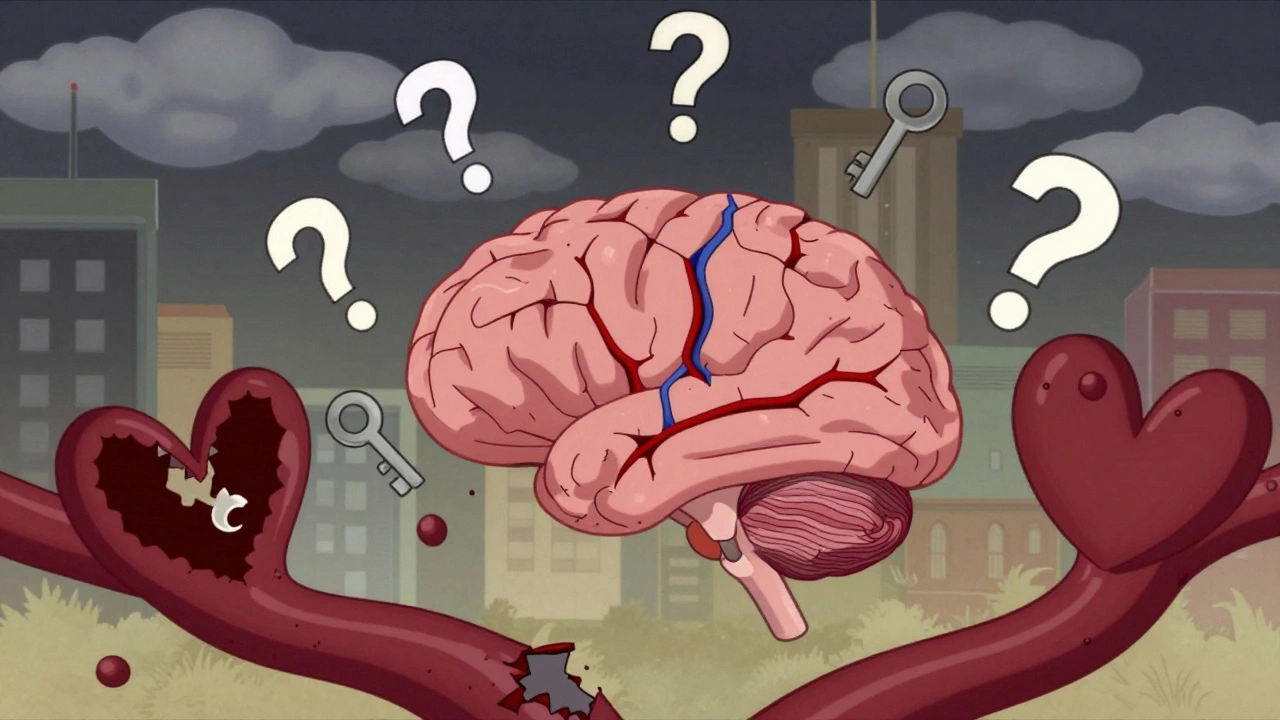
Vascular, frontotemporal, and Lewy body dementia are three distinct types of dementia with different causes, symptoms, and treatments. Learn how to tell them apart and why accurate diagnosis matters.
- December 5 2025
- Tony Newman
- 8 Comments