
Opioid and Alcohol Risks: Mixing Danger, Side Effects, and Safe Alternatives
When you combine opioid and alcohol, a dangerous interaction that depresses the central nervous system and can stop breathing. Also known as narcotic-alcohol synergy, this mix is one of the most common causes of accidental overdose deaths. It doesn’t matter if you’re taking prescription painkillers like oxycodone or hydrocodone, or using street opioids like heroin—alcohol makes them far more powerful and far more deadly.
The body doesn’t handle this combo well. Both substances slow down your brain’s control over breathing and heart rate. When they’re together, that slowdown isn’t just doubled—it can become unpredictable. A 2021 CDC report found that over 16,000 overdose deaths in the U.S. each year involve both opioids and alcohol. Many people don’t realize they’re at risk because they think, "I only had one drink" or "I only took my pill as prescribed." But the math doesn’t care about your intentions. Your liver can’t process both at once, your lungs start to shut down, and your brain loses its ability to wake you up if you stop breathing.
People often mix these drugs because they’re trying to relieve anxiety, sleep better, or numb emotional pain. But the short-term relief comes with long-term risks: liver damage, memory loss, increased tolerance, and a higher chance of addiction to both substances. Even if you’re not addicted, the first time you mix them could be your last. And if you’re on any other medication—like sleep aids, anti-anxiety pills, or even some cold medicines—the danger grows. drug side effects, unexpected reactions that can turn minor discomfort into life-threatening emergencies. Also known as adverse drug reactions, they’re not always listed clearly on labels. That’s why knowing what’s in your medicine and what you’ve had to drink matters more than you think.
There are safer ways to manage pain, stress, or insomnia without risking your life. Physical therapy, cognitive behavioral therapy, non-opioid pain relievers like acetaminophen or ibuprofen, and even mindfulness practices can help. If you’re already using opioids and alcohol together, you’re not alone—but you need support. Talk to your doctor. Ask about tapering plans. Look into naloxone access. Your life isn’t worth the gamble.
Below, you’ll find real, practical advice from people who’ve been there—how to spot warning signs, what to do if someone overdoses, how to reduce harm, and what alternatives actually work. No fluff. No theory. Just what you need to know to stay alive.
Red Flag Drug Combinations to Avoid for Safer Treatment
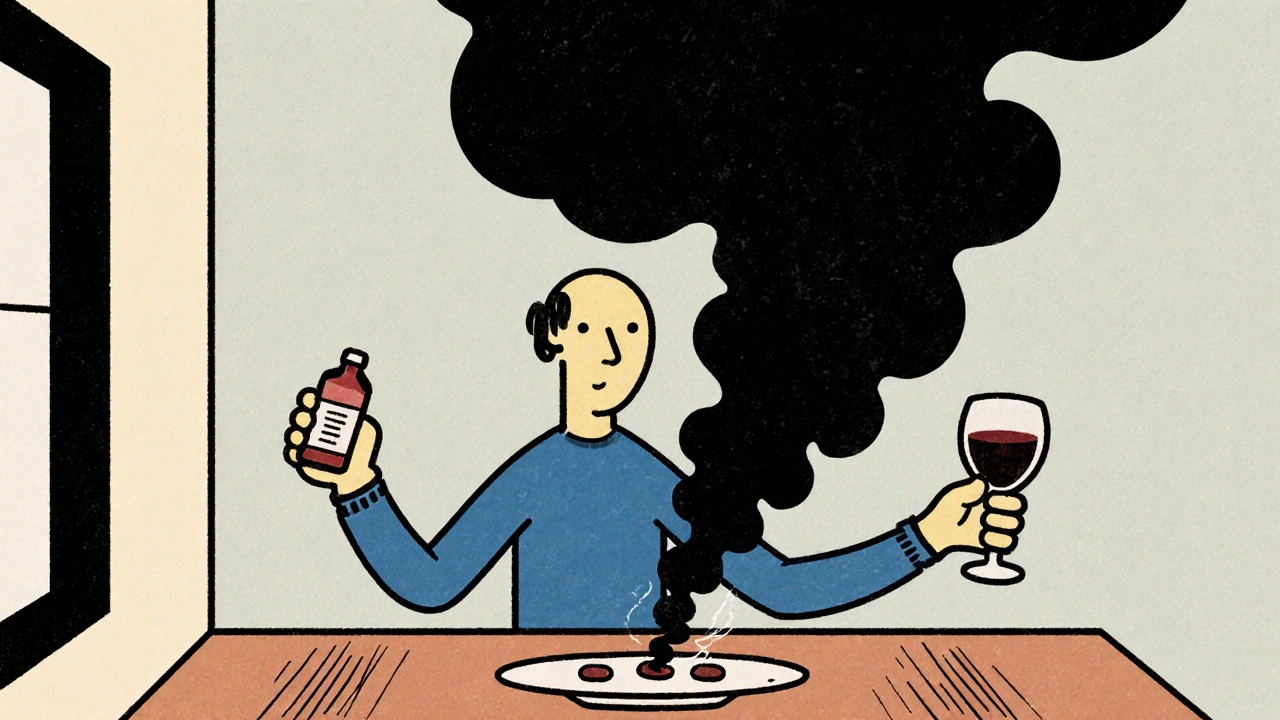
Certain drug combinations can be deadly, even when used as prescribed. Learn the most dangerous pairs - like opioids with alcohol or benzodiazepines - and how to protect yourself from hidden, life-threatening interactions.
- November 25 2025
- Tony Newman
- 16 Comments