
Patent Expiry: What Happens When Brand Drugs Go Generic
When a patent expiry, the legal end of a drug manufacturer’s exclusive right to sell a medication. Also known as drug patent expiration, it’s the moment when other companies can legally make and sell the same medicine under its generic name. This isn’t just a legal footnote—it’s when your prescription suddenly drops from $300 to $10. Most people don’t realize that every brand-name drug you’ve taken likely started with a 20-year patent clock. Once that clock runs out, the market flips.
That flip is driven by generic drugs, medicines that contain the same active ingredient, strength, and dosage as the original brand but cost far less. But here’s the catch: just because a drug is generic doesn’t mean it’s identical in every way. The FDA requires bioequivalence studies, tests proving a generic version performs the same in the body as the brand—usually within 80% to 125% of the original’s absorption rate. For most drugs, that’s fine. For others—like blood thinners or seizure meds—tiny differences matter. That’s why some patients stick with the brand even after patent expiry.
Behind every patent expiry is a financial game. Drug companies spend billions developing a new medicine, then use patent protection to recoup costs and make profits. Once the patent expires, dozens of generic makers jump in, driving prices down by 80% or more. That’s why drug pricing, the cost you pay at the pharmacy can change overnight. Insurance formularies shift too—Tier 1 drugs often become generics after patent expiry, meaning your copay drops. But not all drugs get cheap. Some stay expensive because they’re hard to make (like biologics), or because only one company makes the generic. That’s where brand name drugs, the original versions sold under a proprietary name still hang on, even years after the patent ends.
Patent expiry doesn’t just affect your wallet. It changes how doctors prescribe, how pharmacies stock shelves, and even how patients feel about their meds. Some worry generics aren’t as good. Others are thrilled they can afford their treatment. The truth? For most people, generics work just as well. But knowing when a patent expires helps you ask the right questions. Is your drug about to go generic? Is there a cheaper alternative already available? Can you switch safely? The answers are in the details—and they’re closer than you think.
Below, you’ll find real-world examples of how patent expiry impacts drug safety, cost, and access—from the quiet shift from brand to generic in your medicine cabinet, to the complex legal battles that delay it. These aren’t theoretical discussions. They’re the stories behind your next prescription.
Planning for Patent Expiry: What Patients and Healthcare Systems Need to Do Now
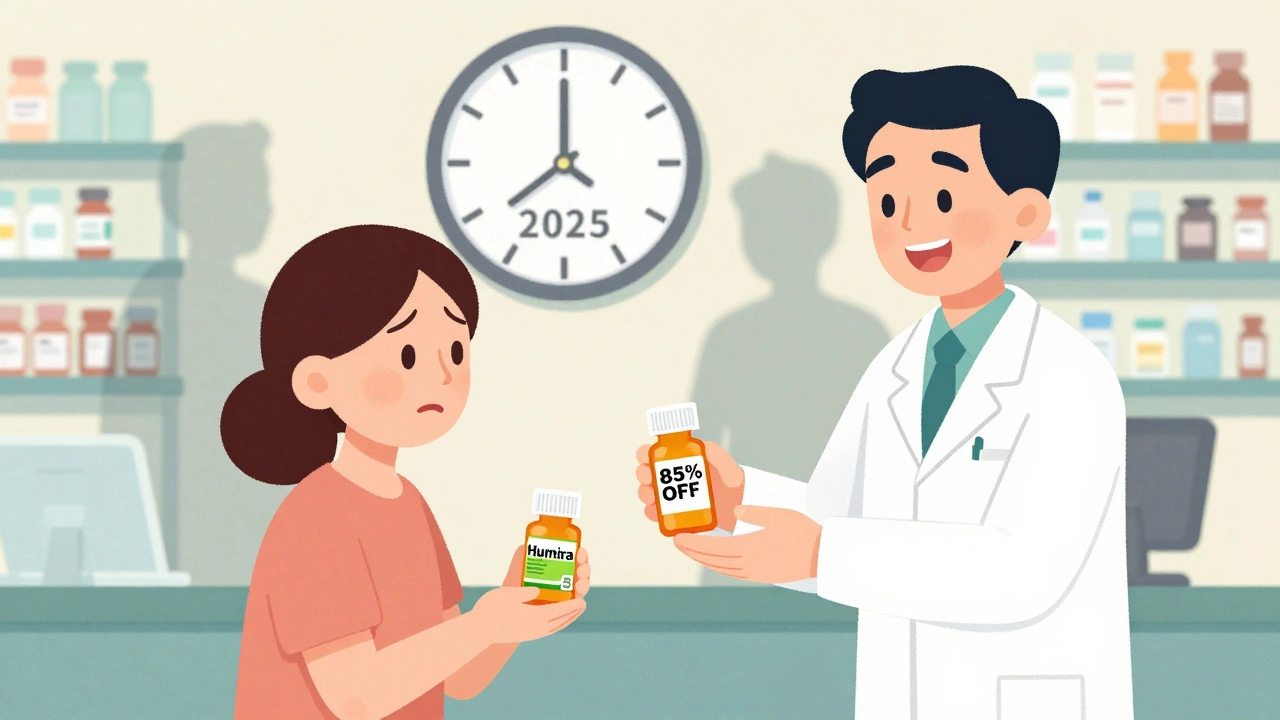
Patent expirations are triggering massive drug price drops-but most patients and health systems aren’t ready. Learn what you need to do now to avoid disruptions, save money, and stay safe.
- December 7 2025
- Tony Newman
- 9 Comments