
PCC: What It Is, Why It Matters, and How It Connects to Your Medications
When you hear PCC, a term often used in clinical and regulatory contexts to describe Pharmaceutical Care Coordination or Post-Confirmation Checks in drug safety workflows. It's not a medication, but it’s the unseen system that helps keep your pills safe. You might not see PCC on your prescription label, but it’s behind the scenes in every drug interaction warning, every generic drug approval, and every time your doctor checks if your new blood thinner plays well with your old heart med.
PCC connects directly to bioequivalence studies, the FDA-mandated tests that prove generic drugs work the same as brand-name ones. If a generic version of warfarin or amiodarone doesn’t meet bioequivalence standards, PCC systems flag it before it reaches your pharmacy. That’s why you can trust a $5 generic instead of a $100 brand—PCC ensures the active ingredient behaves the same in your body. But PCC also catches the invisible dangers: drug interactions, like amiodarone with digoxin or Ginkgo Biloba with warfarin. These aren’t random accidents—they’re patterns PCC systems track across millions of prescriptions.
Think of PCC as the guardrail between what a drug is supposed to do and what it actually does in real life. It’s why your pharmacist asks if you’re taking supplements. It’s why the FDA issues warnings about DPP-4 inhibitors causing joint pain. It’s why pediatric dosing errors are reduced by using weight-based charts instead of "half a pill." PCC doesn’t just react—it anticipates. It links generic drugs, the affordable alternatives that make treatment possible for millions to real-world outcomes like bleeding risks, sleep disruption from caffeine, or skin barrier failure from bad emollient use.
You don’t need to know the technical details of PCC to stay safe—but you do need to know its impact. Every time you read about dangerous drug triads, hidden inactive ingredients, or insurance tiers pushing certain meds, that’s PCC in action. The posts below aren’t random. They’re the real-world results of PCC systems working—or failing. You’ll find how to spot risky combos, why your insurance denies certain generics, how to tell a side effect from an allergy, and what to ask your doctor before adding another pill to your routine. This isn’t theory. It’s what keeps you alive.
Anticoagulant Reversal Agents: Idarucizumab, Andexanet Alfa, PCC, and Vitamin K Explained
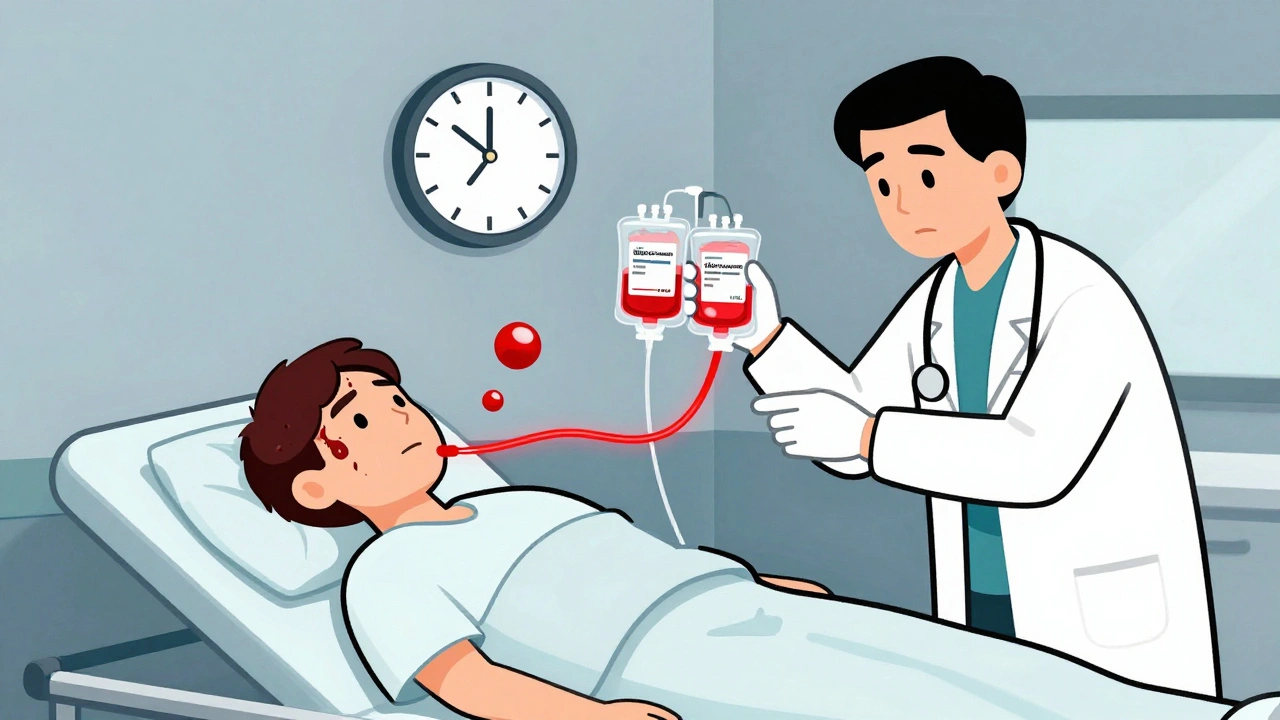
Learn how idarucizumab, andexanet alfa, PCC, and vitamin K reverse blood thinners in emergencies. Compare speed, safety, cost, and real-world use for warfarin and DOACs.
- December 6 2025
- Tony Newman
- 13 Comments