
Pediatric Medication Safety: What Parents Need to Know About Dosages, Interactions, and Risks
When it comes to pediatric medication safety, the practice of ensuring drugs are used correctly, safely, and effectively in children. Also known as child-safe prescribing, it’s not just about shrinking adult doses—it’s about understanding how a child’s developing body absorbs, processes, and reacts to medicine in ways adults don’t. Kids aren’t small adults. Their liver and kidneys are still maturing, their weight changes fast, and even small dosing errors can lead to serious harm. That’s why knowing what’s in the bottle, how much to give, and what to watch for isn’t optional—it’s critical.
One of the biggest risks comes from medication interactions in kids, when two or more drugs, supplements, or even foods combine in dangerous ways. For example, giving a child an over-the-counter cold medicine that contains antihistamines while also using a prescription asthma inhaler can cause dangerous drowsiness or heart rhythm problems. Even common supplements like Ginkgo Biloba, a herbal product sometimes used for memory or circulation can increase bleeding risk if taken with certain antibiotics or pain relievers. And don’t forget inactive ingredients, the fillers, dyes, and preservatives in pills—they’re not harmless. Some kids react to food dyes, lactose, or artificial sweeteners in liquid medicines, triggering rashes, stomach upset, or worse.
Another hidden danger? pediatric drug side effects, reactions that aren’t listed on the label because they’re rare or only show up in children. A child on a common antibiotic might develop severe diarrhea. A teen on a new ADHD medication could have sudden mood swings. These aren’t always obvious, and parents often assume symptoms are just a cold or stress. That’s why tracking changes—sleep patterns, appetite, behavior, skin reactions—is just as important as sticking to the schedule. The FDA and ISMP regularly update safety alerts for drugs used in kids, and those updates matter. A drug that’s fine for adults might need a black box warning for children.
And then there’s the issue of pediatric medication safety in the home. Liquid medicines come with different measuring tools—some cups, some droppers, some syringes. Using a kitchen spoon instead of the one that came with the bottle can mean giving 50% too much or too little. Storing medicines where kids can reach them? That’s how accidental overdoses happen. Even if the bottle says "as needed," giving extra doses because your child seems worse isn’t safe. It’s not caring more—it’s risking more.
What you’ll find below isn’t theory. It’s real, practical advice pulled from posts that have helped parents, caregivers, and even doctors avoid mistakes. You’ll see how to spot dangerous drug combinations, why some generic meds are safer than others for kids, how to read labels like a pro, and what to do when your child has a reaction. These aren’t guesses. They’re lessons learned from cases where things went wrong—and how to make sure they don’t happen to you.
Pediatric Medication Safety: Special Considerations for Children
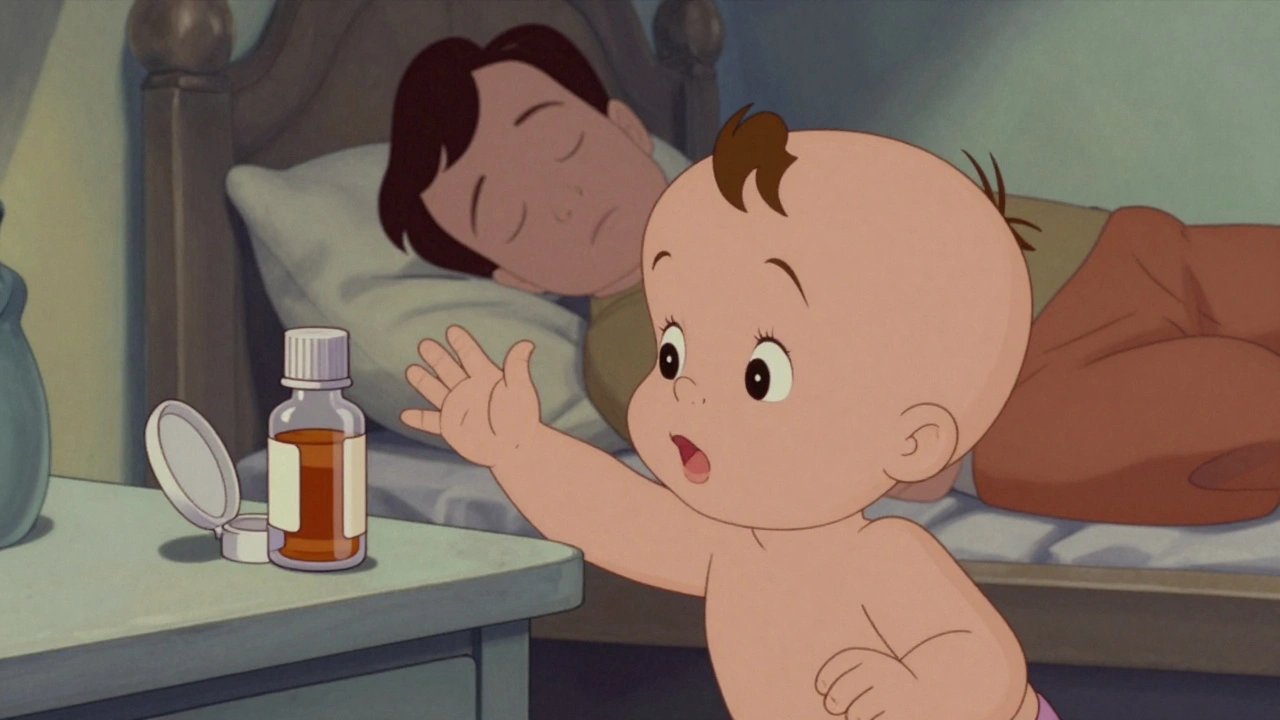
Pediatric medication safety requires special attention because children's bodies process drugs differently. Learn how to prevent dangerous dosing errors, store medicine safely, and avoid common mistakes that lead to poisoning.
- December 3 2025
- Tony Newman
- 13 Comments