
Pediatric Poison Prevention: Essential Tips to Keep Kids Safe from Household Toxins
When it comes to pediatric poison prevention, the practice of reducing accidental poisonings in children through safe storage, education, and environmental controls. Also known as child poison safety, it’s not about keeping kids in a bubble—it’s about making your home smarter so mistakes don’t become emergencies. Every year, over 1 million children under six visit emergency rooms because they swallowed something they shouldn’t. Most of these cases happen at home, often from things you’d never think are dangerous—like a bottle of vitamins left on the nightstand or cleaning spray under the sink.
It’s not just medicine. household toxins, common products like laundry pods, cosmetics, pesticides, and even certain plants that can cause serious harm if ingested by a child. A single laundry pod can cause breathing trouble, vomiting, or even coma in a toddler. poison control, a national service that provides immediate, expert advice during suspected poisonings. Also known as toxic exposure response, it’s the fastest way to get help—call 1-800-222-1222 in the U.S. even if you’re not sure it’s serious. Many parents wait too long, thinking they’ll know for sure if it’s bad. But in poison cases, seconds matter. Don’t wait for symptoms. Don’t try to make your child throw up. Just call.
medication safety for kids, the practice of storing, dosing, and disposing of drugs in ways that prevent accidental access by children. This isn’t just about locking up prescription painkillers. It’s about keeping all meds—even aspirin, antihistamines, or eye drops—in a high, locked cabinet, not in a purse or on the bathroom counter. Kids are climbers. They copy adults. If they see you take a pill from a drawer, they’ll try it too. And never, ever refer to medicine as candy. That’s how kids learn to associate pills with treats.
Some of the most common poisonings come from things you think are harmless. Iron supplements? Deadly in small doses for kids. Topical creams with strong steroids? Can cause hormonal problems if swallowed. Even some essential oils, like tea tree or eucalyptus, can trigger seizures if ingested. The same goes for nicotine from vaping pens or patches. A single drop of concentrated liquid nicotine can kill a child.
Prevention is simple but requires daily habits: install safety latches on cabinets, keep all chemicals and meds in their original containers (never transfer to food jars), and never leave anything unattended—even for a second. Kids find things. They always do. And while you can’t childproof every corner of your home, you can make the most dangerous items impossible to reach.
Below, you’ll find real, evidence-backed advice from doctors and poison control experts on how to spot hidden risks, handle emergencies, and create a home where kids can explore safely. No fluff. No guesswork. Just what works.
Pediatric Medication Safety: Special Considerations for Children
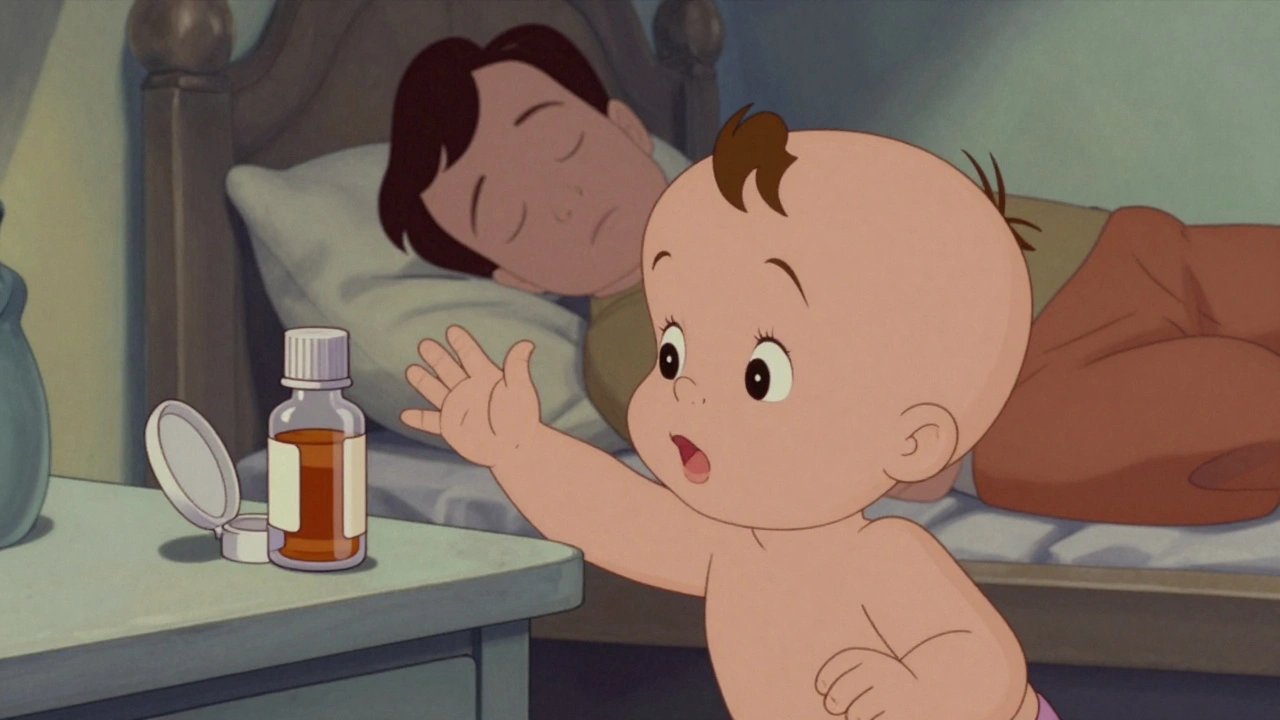
Pediatric medication safety requires special attention because children's bodies process drugs differently. Learn how to prevent dangerous dosing errors, store medicine safely, and avoid common mistakes that lead to poisoning.
- December 3 2025
- Tony Newman
- 13 Comments