
Pharmaceutical Patents: How Drug Exclusivity Shapes Your Medication Costs and Choices
When you hear pharmaceutical patents, legal protections that give drug companies exclusive rights to sell a medicine for a set time. Also known as drug exclusivity, these patents are the reason your prescription costs $200 one month and $20 the next. Without them, companies wouldn’t spend billions developing new drugs. But once the patent runs out, generic versions flood the market—and that’s when real savings kick in.
Behind every brand-name drug is a clock ticking toward patent expiration, the moment when other manufacturers can legally copy the formula. The FDA doesn’t approve generics until this happens, even if the drug works the same. That’s why generic drugs, chemically identical copies of brand-name medications don’t show up right away. Companies use legal tricks—like tweaking the pill shape or adding new uses—to stretch their monopoly. This delays cheaper options, and you pay the price.
It’s not just about cost. brand name drugs, medications sold under a company’s trademark before generics enter often come with marketing hype, while generics do the same job with no ads. But here’s the catch: some patients still get branded versions because their insurance pushes them that way, or their doctor assumes they’re better—even when they’re not. That’s why understanding patent timelines matters. If your doctor prescribes a drug that’s due to go generic soon, ask if you can switch. You might save hundreds a year.
Some patents last 20 years from filing, but the clock starts ticking before the drug even hits shelves. By the time it’s approved, you might only have 7–12 years of real exclusivity. That’s why companies file dozens of secondary patents—for delivery methods, dosages, or combinations—to keep competitors out. These aren’t always about innovation; sometimes they’re just about keeping prices high. The FDA tracks these through its Orange Book, but most patients never see it. You don’t need to read the legal docs, but you do need to know: if a drug is still expensive, it’s probably still under patent.
When patents expire, the market shifts fast. Dozens of generic makers jump in, competition drives prices down, and insurance plans switch to covering the cheaper versions. That’s why you’ve seen prices drop on statins, blood pressure meds, and even some diabetes drugs. But not all drugs follow the same path. Specialty drugs—like those for rare diseases—often get extra exclusivity, and some never go generic at all. That’s where things get complicated, and where knowing the difference between patent life and market exclusivity helps you ask the right questions.
What you’ll find below are real stories and clear breakdowns of how patents affect what’s in your medicine cabinet. From how bioequivalence studies prove generics work the same, to why some drugs stay expensive even after patents expire, to how insurance tiers push you toward cheaper options—every post here ties back to one thing: pharmaceutical patents control more than you think. Whether you’re on a blood thinner, a pain med, or a daily pill for cholesterol, knowing how these rules work helps you take back control.
Planning for Patent Expiry: What Patients and Healthcare Systems Need to Do Now
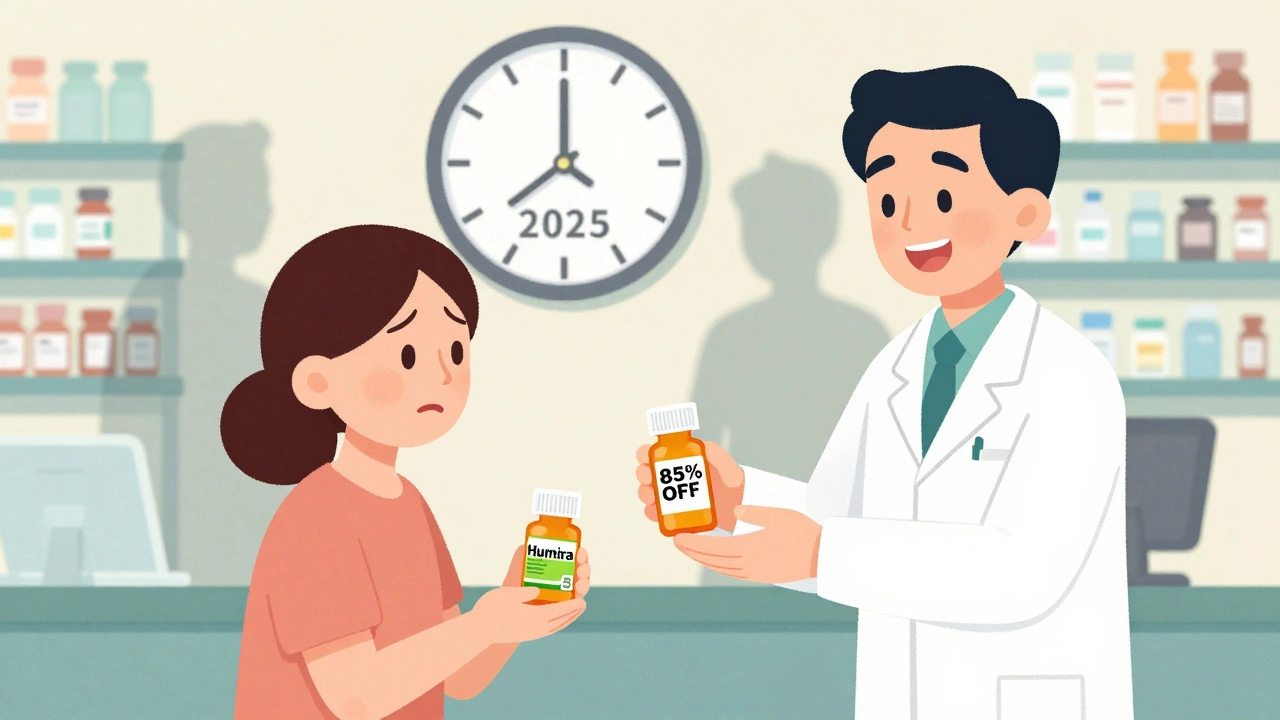
Patent expirations are triggering massive drug price drops-but most patients and health systems aren’t ready. Learn what you need to do now to avoid disruptions, save money, and stay safe.
- December 7 2025
- Tony Newman
- 9 Comments