
Safe Medicine Storage for Kids: How to Keep Pills Out of Reach and Prevent Accidents
When it comes to safe medicine storage for kids, the practice of securing all medications in a way that prevents children from accessing them. Also known as childproof medicine storage, it’s not just a suggestion—it’s a critical safety step every household with young children needs to take seriously. Every year, over 50,000 kids under age 6 end up in the emergency room after swallowing medicine they found at home. Most of these incidents happen because pills were left on a nightstand, in a purse, or in a cabinet that wasn’t locked. It’s not about being careless—it’s about how easy it is to forget how curious kids are.
Childproof medicine cabinet, a locked, out-of-sight storage unit designed specifically for keeping medications away from children. Also known as locked medicine box, it’s the most effective tool you can use. But even a locked cabinet isn’t enough if it’s at child’s eye level. The best spot? High up, out of reach, and preferably in a room kids don’t go into often—like a bedroom closet or a kitchen cabinet above the fridge. Never store medicine in a drawer with toys or in a purse that sits on the floor. Kids are experts at finding things they shouldn’t. A bottle that looks like candy? They’ll try it. A pill that tastes sweet? They’ll eat more than one.
It’s not just about bottles. Transdermal patches, liquid syrups, and even empty pill containers can be dangerous. A child who finds an empty bottle might think it’s a toy. A patch stuck to a toy or a blanket can deliver a full dose of medicine through the skin. That’s why you need to check for stray patches after changing them, and always dispose of empty containers right away—preferably by flushing them or using a drug take-back program. And don’t forget supplements. Vitamins, gummy melatonin, or herbal remedies? They’re still medicine. Kids can’t tell the difference between a vitamin and a candy.
Medication safety, the set of practices that prevent accidental overdose, misuse, and exposure to harmful substances in the home. Also known as drug safety at home, it includes more than storage—it means keeping track of what’s in your medicine cabinet, checking expiration dates, and never leaving pills out during a visit from a grandparent or babysitter. One study found that nearly half of all pediatric poisonings happen when a caregiver is distracted—even for a minute. You put the bottle down to answer the door, pick up a crying baby, or scroll through your phone. In that moment, a toddler can reach, grab, and swallow.
So what works? Use a lockbox with a combination or key that only adults know. Install child-resistant caps—yes, they’re not foolproof, but they add a barrier. Keep all meds in their original containers so you know what’s inside. And talk to everyone who visits your home: grandparents, nannies, friends. Ask them to keep their bags and coats away from the couch or floor. A single pill from someone else’s medicine cabinet can be deadly to a child.
And if the worst happens? Know the number for Poison Control: 1-800-222-1222. Don’t wait for symptoms. Don’t try to make your child vomit. Call immediately. Time matters. The faster you act, the better the outcome.
Below, you’ll find real-world advice from doctors, pharmacists, and parents who’ve been through it. From how to pick the right lockbox to what to do when your child swallows a whole bottle of children’s Tylenol—these posts give you the facts, not the fluff. No guesswork. No fear-mongering. Just what you need to keep your kids safe.
Pediatric Medication Safety: Special Considerations for Children
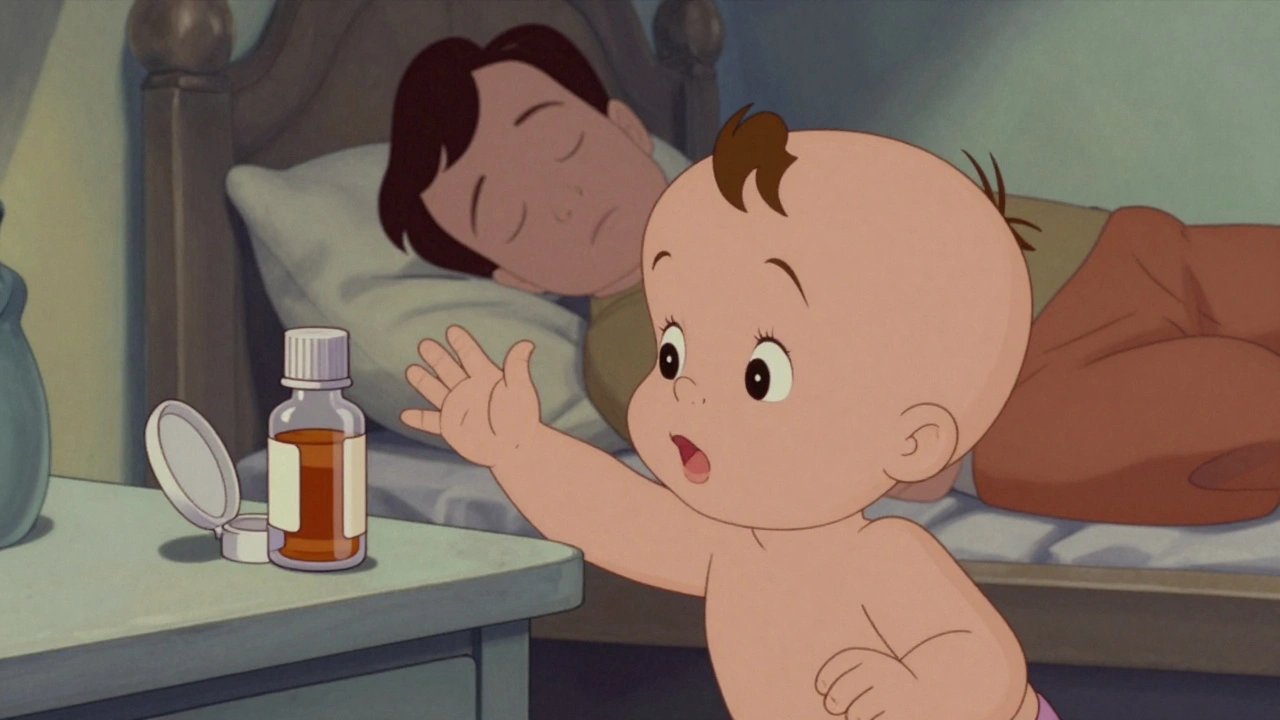
Pediatric medication safety requires special attention because children's bodies process drugs differently. Learn how to prevent dangerous dosing errors, store medicine safely, and avoid common mistakes that lead to poisoning.
- December 3 2025
- Tony Newman
- 13 Comments