
Vascular Dementia: Causes, Risks, and How Medications Help Manage It
When blood flow to the brain gets blocked or reduced, it can cause vascular dementia, a type of cognitive decline caused by damaged blood vessels in the brain. Also known as post-stroke dementia, it’s the second most common form of dementia after Alzheimer’s — and it’s often preventable. Unlike Alzheimer’s, which slowly kills brain cells, vascular dementia happens in steps. Each small stroke or bleed chips away at memory, focus, and decision-making. You might notice sudden confusion after a stroke, or gradual trouble with planning and organizing. It doesn’t always mean a major stroke — tiny, unnoticed blockages in small brain vessels can add up over time.
This is where blood thinners, medications that reduce clot formation to prevent strokes come in. Drugs like warfarin or DOACs are often prescribed for people with atrial fibrillation or clotting disorders — conditions that directly raise the risk of vascular dementia. But these same drugs carry risks. If not managed carefully, they can cause bleeding in the brain, which can also lead to cognitive damage. That’s why knowing how to balance anticoagulation — and avoiding dangerous drug combos like amiodarone, digoxin, and warfarin, a triple interaction that can spike toxicity and bleeding risk — is critical. Blood pressure control, salt restriction, and managing kidney health (as covered in posts on chronic kidney disease, a condition linked to fluid retention and increased stroke risk) are just as important as any pill.
Many people don’t realize vascular dementia isn’t just about memory loss. It affects movement, mood, and even bladder control. That’s why managing it isn’t just about one drug — it’s about a system. Diuretics help reduce swelling from poor circulation. Emollients aren’t just for skin — keeping skin healthy prevents ulcers that lead to infections, which can worsen brain function. Even simple things like avoiding caffeine too late in the day improve sleep, which helps the brain clear toxins. And when you’re on multiple meds, deprescribing unnecessary drugs becomes a safety move, not a setback.
You’ll find real-world advice here on how to spot early signs, avoid dangerous interactions, and use medications safely. Whether you’re caring for someone with a recent stroke, managing high blood pressure, or just worried about brain health as you age, the posts below give you the tools — not just theory, but what actually works in daily life.
Dementia Types: Vascular, Frontotemporal, and Lewy Body Explained
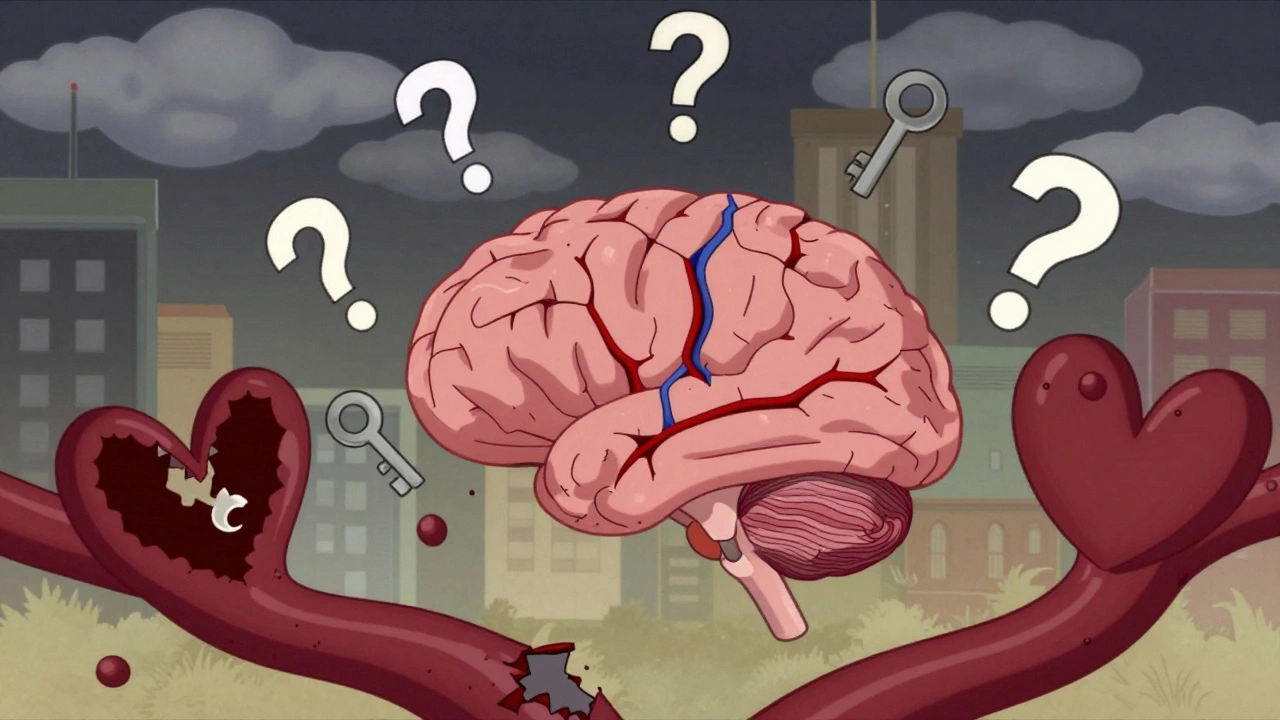
Vascular, frontotemporal, and Lewy body dementia are three distinct types of dementia with different causes, symptoms, and treatments. Learn how to tell them apart and why accurate diagnosis matters.
- December 5 2025
- Tony Newman
- 8 Comments